


F1 drivers criticize 'artificial' overtaking in new 2026 regulations
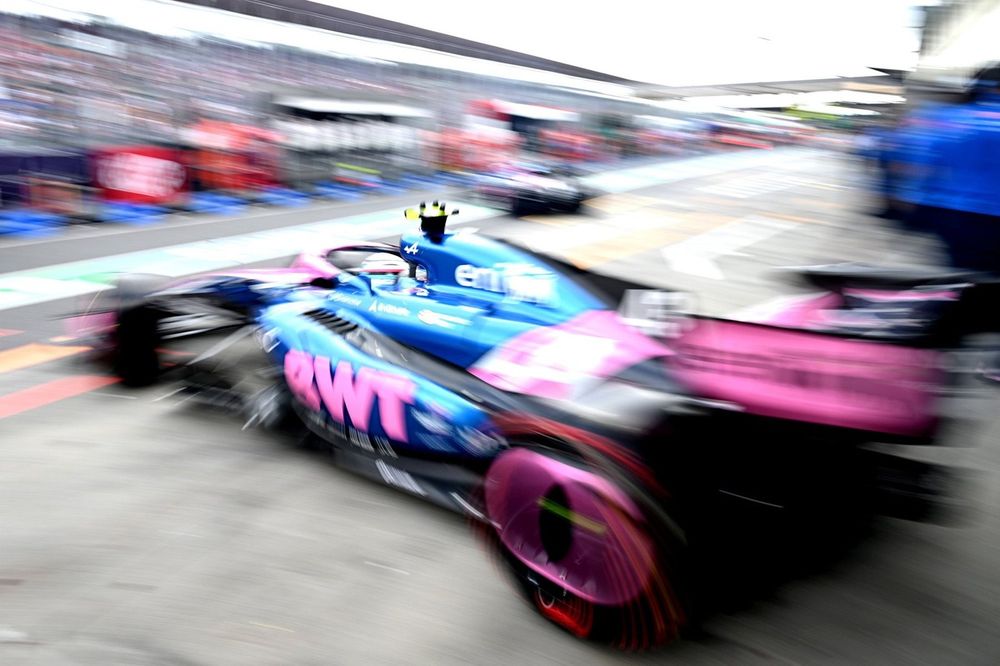
The first race under Formula 1's 2026 regulations produced a record 120 overtakes, but drivers have heavily criticized the new racing as overly artificial and unsatisfying. While the official numbers suggest exciting action, key figures like Max Verstappen and Lando Norris argue the overtakes are largely a product of energy management tricks and track-specific quirks, resulting in what's being called 'yo-yo' or 'Mario Kart-style' racing rather than genuine wheel-to-wheel battles.
Why it matters:
The core product of F1—the on-track racing—is under scrutiny just one event into a new regulatory era designed to improve the show. If the majority of drivers, including the reigning world champion, find the competition 'fake' and unenjoyable, it threatens the sporting integrity and fan appeal the new rules were meant to enhance. The feedback puts immediate pressure on the FIA to evaluate and potentially adjust the complex energy deployment parameters.
The details:
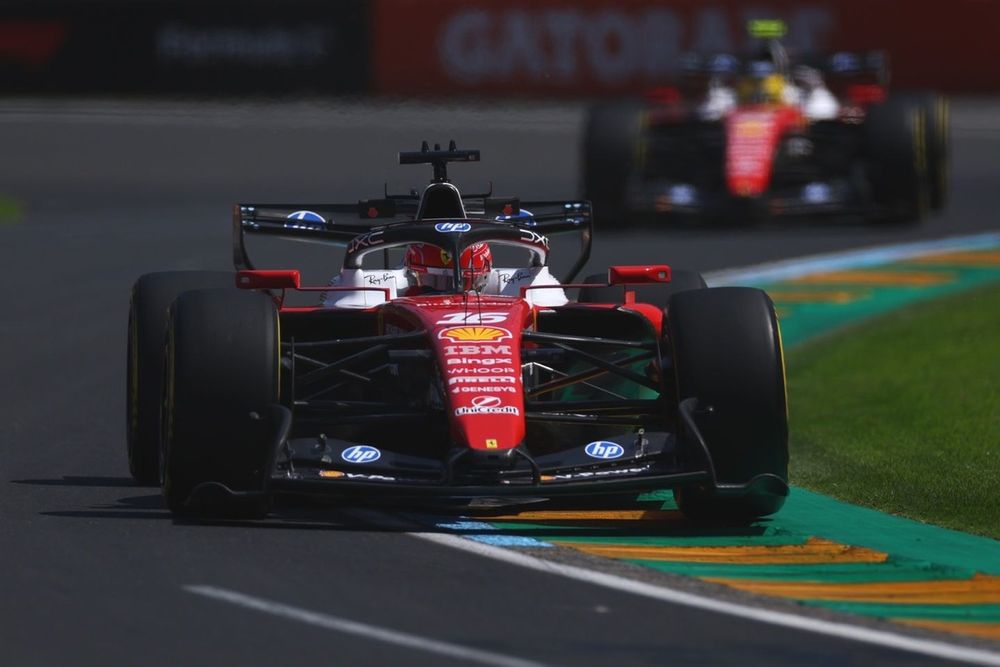
- Drivers report that overtakes are now primarily executed via strategic use of the 350kW electrical boost on straights, often well before braking zones, minimizing traditional side-by-side combat.
- The phenomenon creates 'yo-yo racing': a driver uses a large energy burst to pass, then is left defenseless on the next straight as they recharge, allowing the opponent to repass. This artificially inflates overtake counts.
- Track Dependency: The issue was exaggerated at the season-opening Australian Grand Prix. Albert Park's layout, with consecutive high-speed sections and few heavy braking zones, made energy harvesting difficult and strategic deployment paramount.
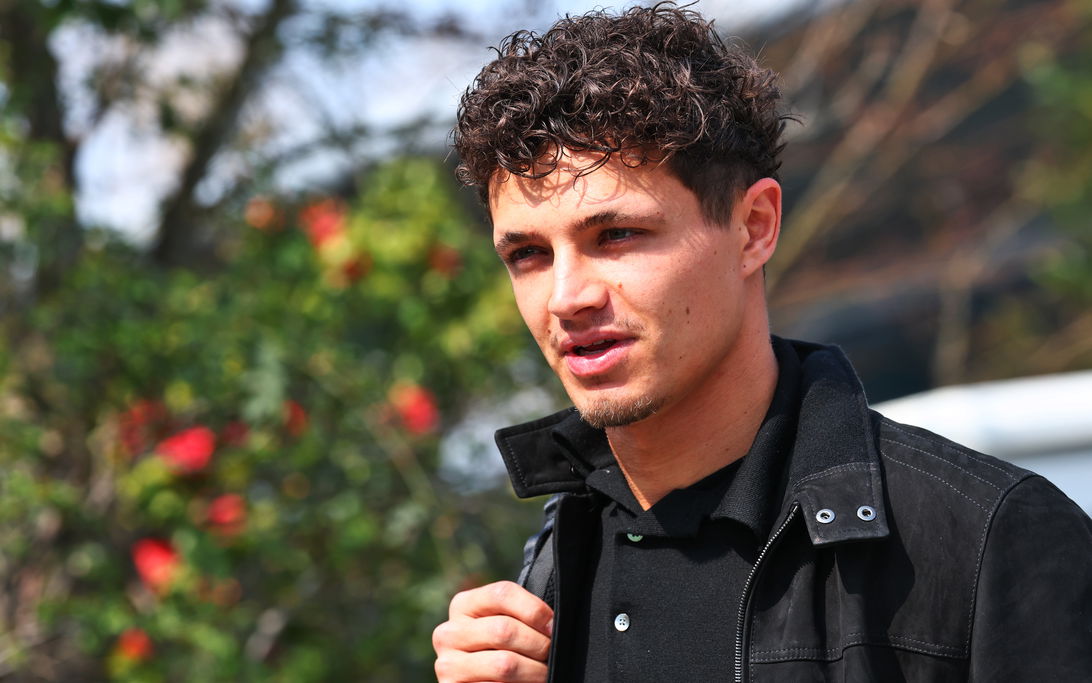
- Driver Sentiment: The criticism is widespread. Lando Norris called the racing "way too artificial," while Sergio Perez likened it to "Mario Kart." Oliver Bearman humorously noted using the boost felt like being "in F1 and everyone else was in F2."
- A Learning Curve: Teams and drivers are still mastering the new energy management systems. Strategies were chaotic early in the Melbourne race but began to stabilize later, suggesting some natural convergence and learning will occur as the season progresses.
What's next:
The focus shifts to whether the issue is a Melbourne-specific outlier or a season-long trend. Drivers like Oscar Piastri believe circuits with more braking zones, like Shanghai, will allow better energy harvesting and reduce the 'yo-yo' effect.
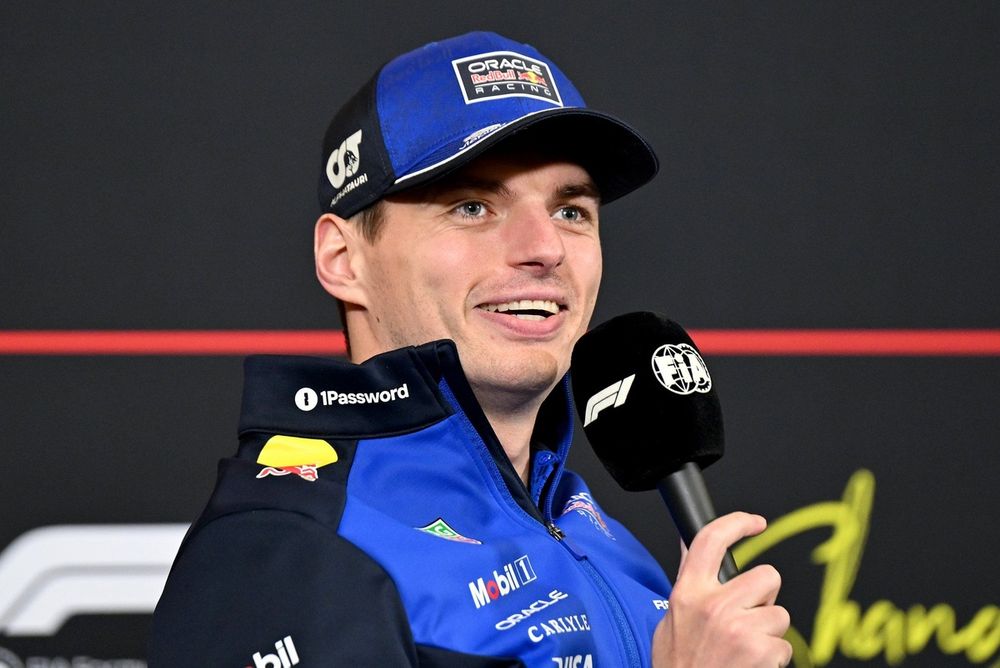
Max Verstappen has proactively discussed mid- and long-term fixes with the FIA, though he admits significant changes for the 2026 season are unlikely. His proposals include reducing the reliance on electrical power in race trim to create more 'normal' racing speeds and eliminating the need for lift-and-coast maneuvers in qualifying, which he argues punishes the fastest drivers.
However, any regulatory tweak faces political hurdles, as changes could disadvantage teams that have currently optimized their energy management, such as Mercedes and Ferrari. The FIA's planned evaluation after the Chinese Grand Prix sprint weekend will be the first formal test of whether the governing body and teams are willing to act on the drivers' unanimous feedback.
Original Article :https://www.motorsport.com/f1/news/max-verstappen-in-talks-with-the-fia-but-is-i...