





McLaren Demands Safety-Focused Rule Change in F1 Power Unit Talks
McLaren team principal Andrea Stella is pushing for an urgent increase to the super-clipping energy recovery limit on F1 cars, citing significant safety risks from the current system. The call comes as key stakeholders, including the FIA, Formula 1, teams, and power unit manufacturers, hold a series of meetings during the April break to address issues identified in the season's first three races.
Why it matters:
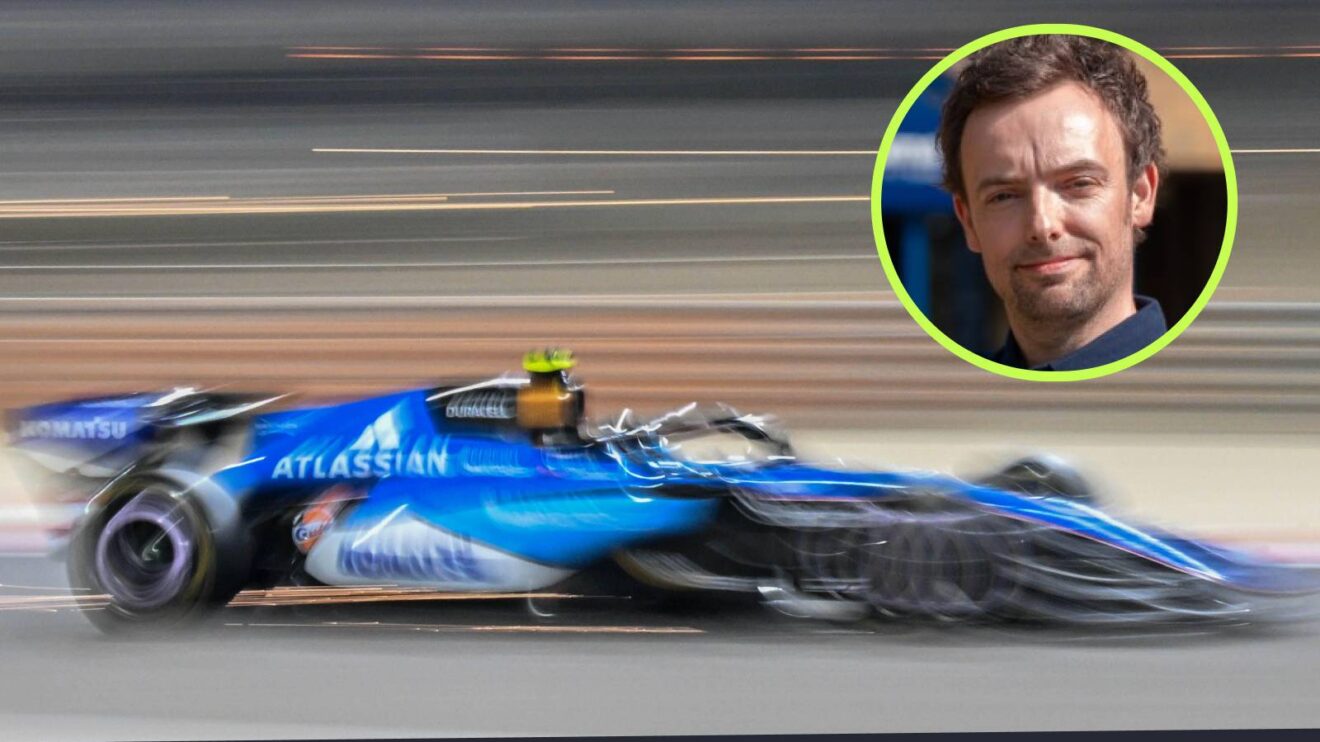
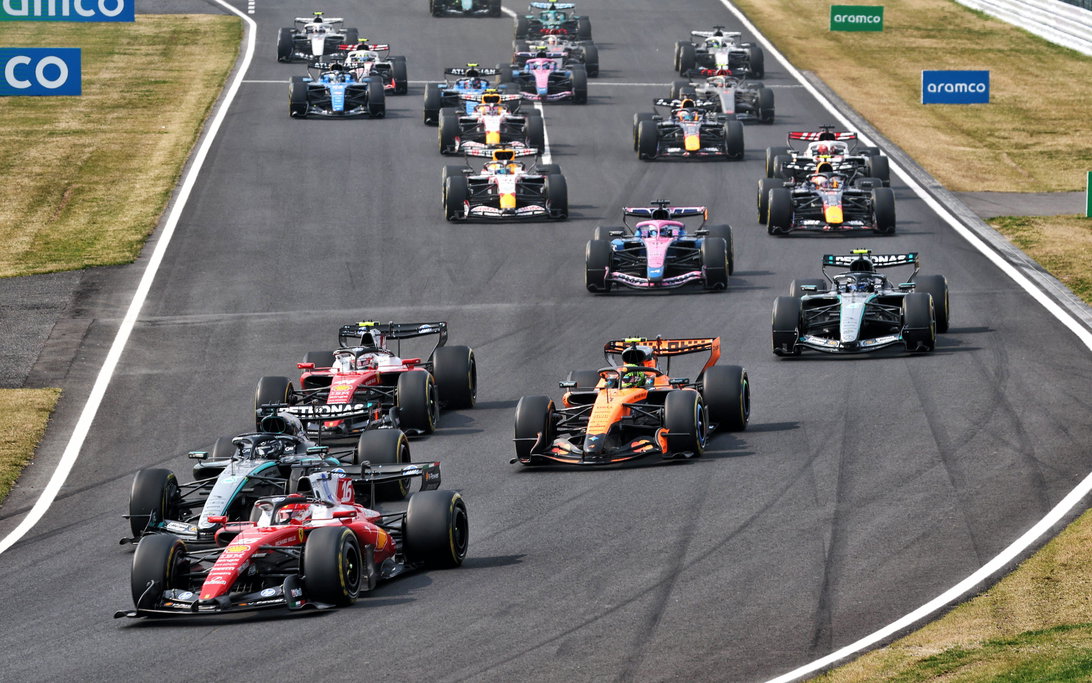
The current energy recovery rules are creating dangerous speed differentials between cars on track. Drivers are forced to use 'lift and coast' techniques to recharge batteries, which can lead to sudden, drastic closing speeds for following cars—a primary factor in the high-impact crash involving Oliver Bearman and Franco Colapinto at the Japanese Grand Prix. A technical fix could directly enhance driver safety.
The details:
- The Core Problem: The current 'super-clipping' system—which charges the car's battery while at full throttle—is capped at 250kW, despite the cars' batteries being capable of 350kW. To reach a full state of charge, drivers must lift off the throttle early before corners, a practice known as 'lift and coast'.
- The Safety Consequence: This practice creates unpredictable and large speed differences between a car that is 'lifting' and one behind that is still at full throttle, increasing the risk of high-speed collisions.
- McLaren's Proposed Solution: Stella advocates raising the super-clipping limit to the battery's full 350kW capacity, a configuration McLaren tested in pre-season. This would allow drivers to recharge more energy while at full speed, reducing or eliminating the need for dangerous lift-and-coast maneuvers.
- Ongoing Discussions: A first meeting was held on April 9, with further technical discussions scheduled for April 16 and a "high-level" summit set for April 20. The goal is to agree on potential rule changes for implementation as early as the Miami Grand Prix, pending formal approval from the World Motor Sport Council.
What's next:
The outcome of the late-April meetings will be critical. Stella has urged for the issue to be at the "top of the agenda," emphasizing that a solution requires a detailed, analytical approach from the sport's collective engineering expertise. If the stakeholders can agree on a regulatory tweak, a safer method of energy recovery could be in place for the upcoming races, potentially altering race strategies and on-track behavior.
Original Article :https://racingnews365.com/mclaren-make-safety-demand-over-crunch-fia-f1-talks