





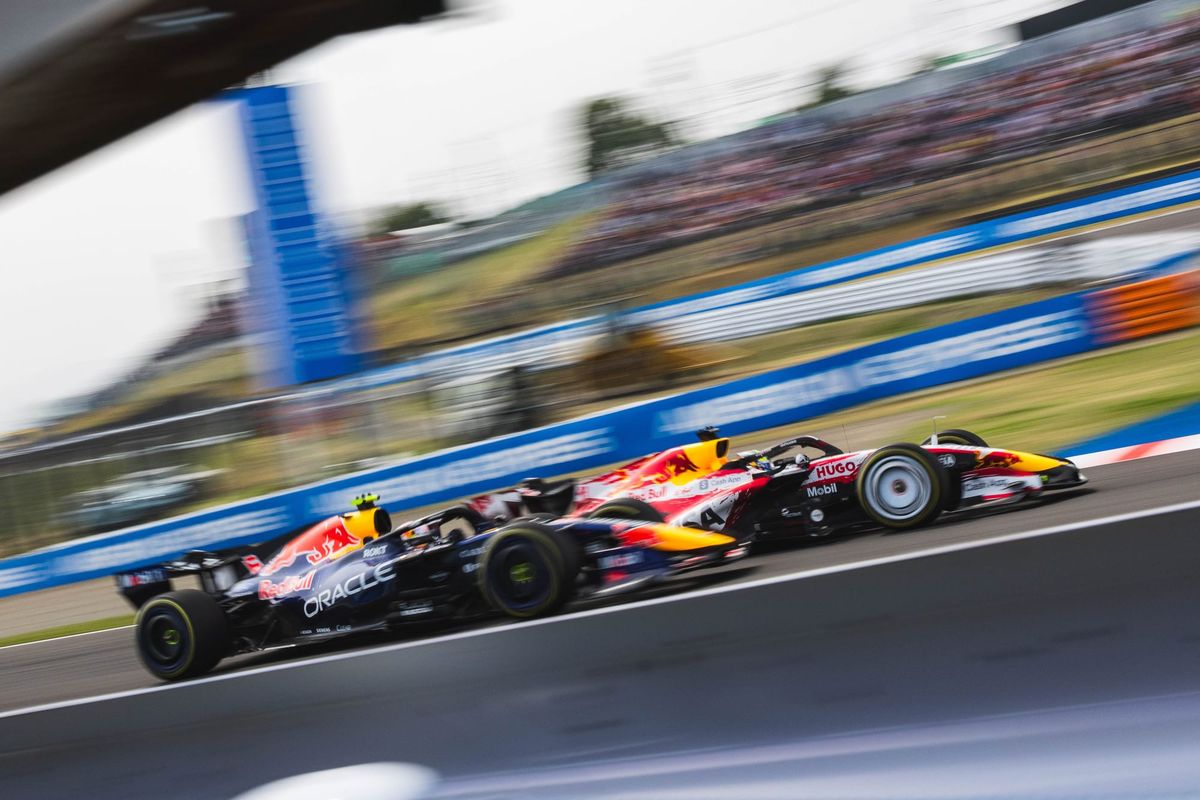
The 10 Weirdest Quirks of F1's 2026 Cars
Formula 1's 2026 technical revolution has delivered a new breed of car, but three races into the season, drivers and teams are grappling with a host of bizarre and sometimes dangerous new behaviors. From accidental overtakes to qualifying laps ruined by algorithms, the sport is navigating a steep learning curve with its energy-starved machines.
Why it matters:
These quirks are more than just oddities; they are fundamentally altering the nature of racing and raising serious safety concerns. The pursuit of sustainable technology has created complex, algorithm-driven cars that can punish drivers for minor mistakes and create unpredictable on-track situations, challenging the very 'authenticity' of the competition.
The Details:
- Accidental Overtakes: Drivers like Lando Norris have unintentionally passed rivals when a brief throttle lift triggers an aggressive battery deployment mode, only to be re-passed immediately as their energy reserves drain.
- Qualifying Sabotage: A tiny lift off the throttle, even to correct a slide, can force the car into a different engine mode, burning crucial battery energy early and ruining a lap—a flaw that has caught out Charles Leclerc and Kimi Antonelli.
- Software Glitches: Teams are battling unexpected bugs. George Russell lost a podium chance in Japan when a software anomaly, triggered by a simultaneous button press and gear shift, put his car into a low-power 'super clipping' mode.
- Algorithm is King: Energy management is now dictated by self-learning algorithms that plan deployment lap-by-lap. Deviating from the computer's plan, even slightly, can wreck a stint or qualifying attempt, reducing driver adaptability.
- The Formation Lap Headache: Strict limits on how much energy can be harvested per lap are causing issues before the race even starts. Drivers like Russell and Antonelli have hit the ceiling on formation laps, leaving them with cold tires and poor launches.
- Qualifying 'Shutdown' Trick: To gain time, some teams use an emergency procedure to shut off the MGU-K instantly at the end of a quali lap, avoiding a mandated power ramp-down. The risky move gives more power for longer but can strand the car if not managed perfectly on the cooldown lap.
- The Vanishing Speed: Cars are losing up to 50 km/h on long straights as battery power depletes, creating a dramatic and unpopular speed drop-off that drivers like Norris call "soul-destroying."
- Terrifying Closing Speeds: This speed drop-off creates massive and dangerous closing-speed differentials, a key factor in Ollie Bearman's huge crash in Japan when he rapidly caught a car harvesting energy.
- Slower is Faster: The new energy logic has turned racing philosophy on its head. In some scenarios, lifting earlier into a corner to harvest more energy can yield a greater net gain on the following straight, making pure, flat-out aggression less effective.
Looking Ahead:
The FIA and teams are actively discussing fixes, with key meetings scheduled before the Miami Grand Prix. Priorities include smoothing the drastic speed drop-offs on straights and refining software controls to give drivers more consistent feedback and predictable car behavior. While the 2026 rules represent a necessary technological shift, the early season has proven that balancing innovation with raceable and safe cars remains a significant challenge.
Original Article :https://www.the-race.com/formula-1/the-10-weirdest-quirks-of-f1-2026-cars/