



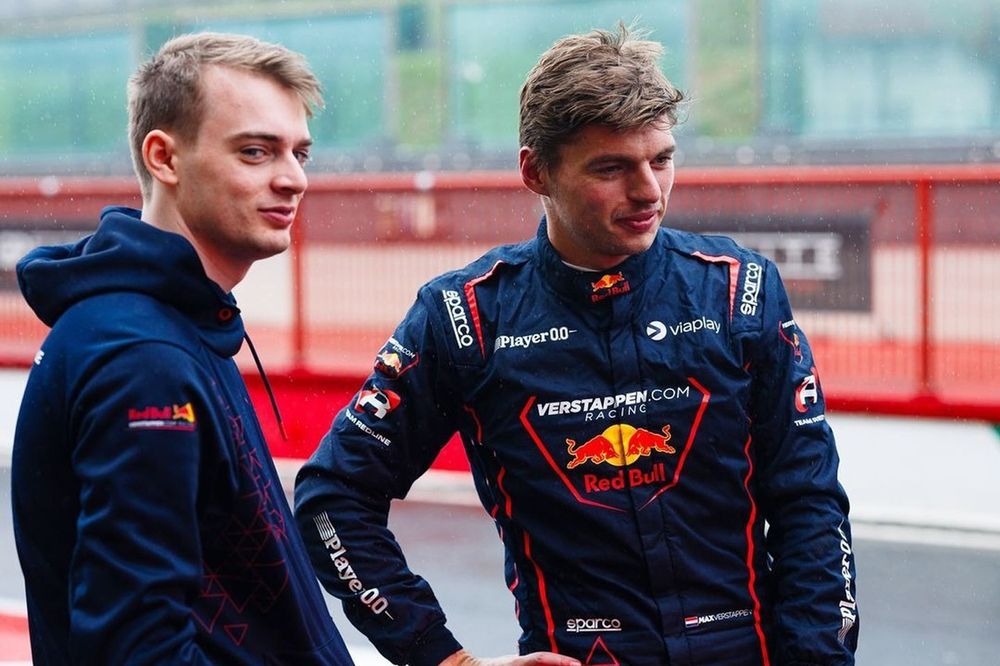
Max Verstappen champions sim racing as vital, affordable pathway into professional motorsport
Max Verstappen is leveraging his Team Redline sim racing outfit to create a credible, affordable career pathway into real-world motorsport, arguing that the exorbitant cost of traditional karting is pricing out genuine talent. The Red Bull driver sees simulators as a parallel and equal training ground that can teach professional processes before a driver ever sits in a real car, with the goal of funneling talent into paid factory roles in series like GT and endurance racing.
Why it matters:
Verstappen is using his immense platform to address a critical accessibility issue in motorsport's grassroots. By validating sim racing as a serious training and scouting tool, he's challenging the traditional, money-intensive karting ladder and potentially democratizing access to professional driving careers. This shift could diversify the talent pool and ensure the sport's future stars are identified by skill, not just financial backing.
The details:
- Verstappen's involvement with the elite Team Redline sim squad, which he joined in 2015, stems from a personal observation: karting has become prohibitively expensive compared to when he was young, shutting out talented individuals without significant funds.
- He describes a direct performance feedback loop between his real-world F1 driving and simulator work, applying a mindset of extracting marginal gains from all training to his race weekends.
- Team Redline is positioned as a bridge, teaching the professional operational discipline—from preparation to data analysis—required in top-level motorsport, all from a driver's home.
- The program has already yielded success stories, like driver Chris Lulham, who excelled in karting but hit a financial dead-end. Through the sim racing pathway facilitated by Verstappen and Team Redline, Lulham now races in GT3.
- Verstappen's vision is not exclusively focused on F1, which he acknowledges is an extremely tough goal, but on creating sustainable careers in the booming GT and endurance racing landscape, which features numerous manufacturers and factory-supported seats.
What's next:
Verstappen's priorities are visibly shifting from solely accumulating personal accolades to building infrastructure for the next generation. The long-term test will be whether this sim-to-real-world pipeline can become a repeatable and scalable model for talent identification and development. If successful, it could fundamentally alter how young drivers enter the sport, making professional motorsport careers more accessible and merit-based.
Original Article :https://www.motorsport.com/f1/news/max-verstappen-says-karting-is-pricing-out-ta...