





Liam Lawson Criticizes New F1 Era as 'Not Racing'
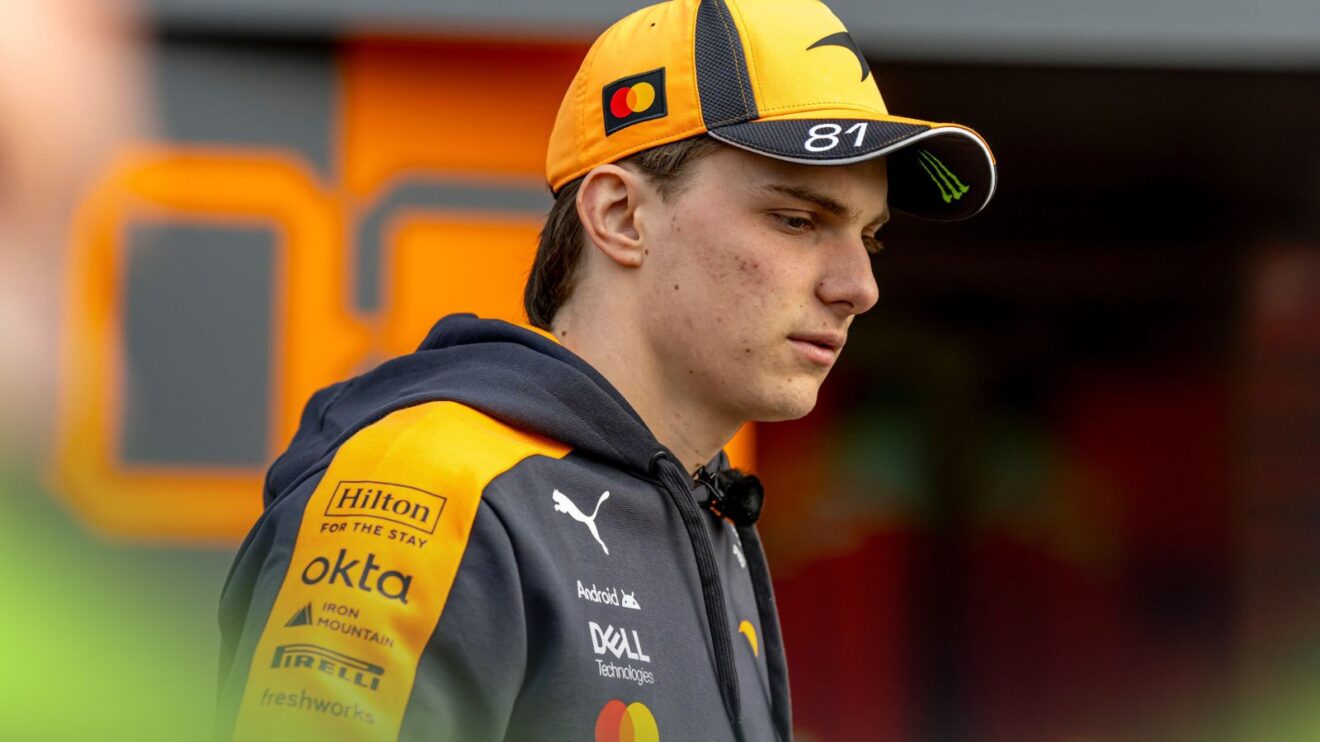
Racing Bulls driver Liam Lawson has delivered a scathing assessment of Formula 1's new regulatory era, stating the racing dictated by energy management is "not racing that I'm used to" and dismissing the spectacle as lacking genuine excitement. His comments after qualifying in China echo a growing chorus of driver discontent with the 2026-spec cars, which prioritize complex energy deployment over traditional wheel-to-wheel combat.
Why it matters:
Lawson’s blunt critique cuts to the heart of a fundamental debate in modern F1: the balance between technological spectacle and sporting purity. If a generation of drivers, including world champions, feels the essence of racing is being compromised by over-complexity, it challenges the core product Formula 1 sells to fans. This internal criticism could pressure the FIA and FOM to reassess the direction of future regulations before the 2026 rules are fully locked in.
The details:
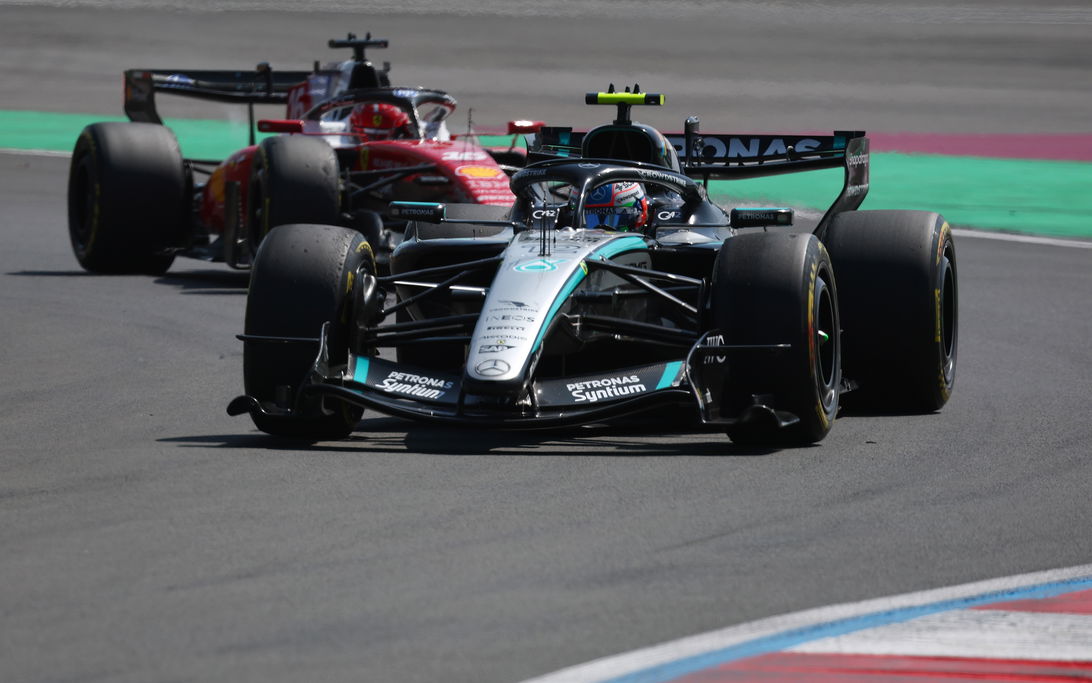
- Lawson’s primary criticism focuses on the nature of overtaking, which he attributes purely to energy deployment cycles rather than driver skill or daring. He described a scenario where a driver uses their energy to pass, only to be immediately re-passed on the next straight when their battery is depleted.
- He conceded the opening laps can look exciting but argued the understanding of why passes happen—energy advantages, not strategic bravery—diminishes the enjoyment. He summarized the driver experience by stating, "the enjoyment factor... is not super high."
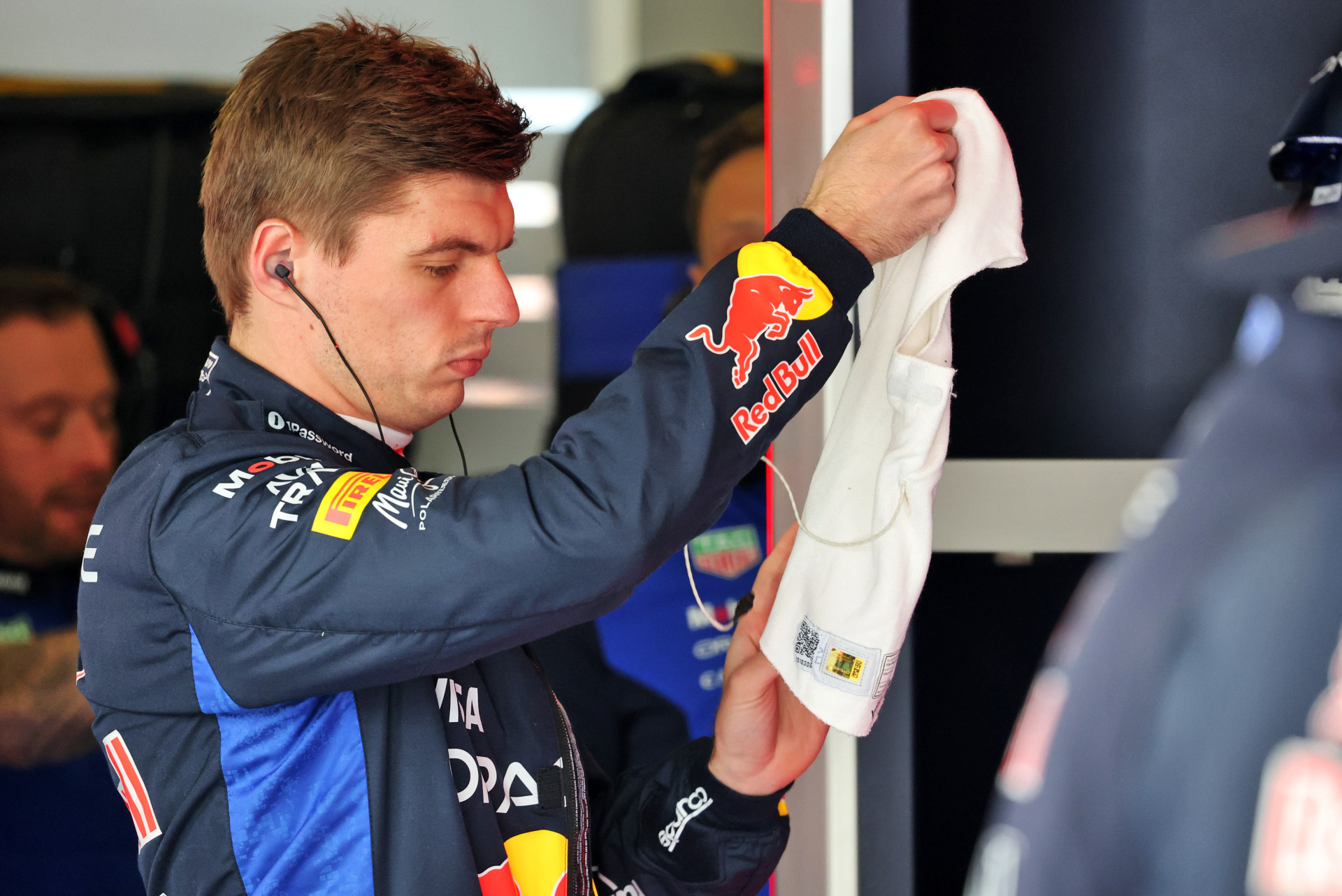
- Lawson is not alone. World Champion Max Verstappen has been vocal about the cars not being fun to drive, while Carlos Sainz and George Russell have raised specific safety concerns regarding race starts and the active-aero straight-line speed zones.
- A common thread among driver feedback is the labeling of the new rules as "too complex," "artificial," and creating "fake" racing, suggesting a significant disconnect between the regulatory intent and the competitor experience.
What's next:
The sustained driver pushback presents a significant hurdle for the sport's administrators. The 2026 regulations are still in a formative phase, allowing for potential tweaks. The FIA will need to carefully weigh these criticisms from its stars against the technical and sustainability goals of the new era. The coming months will reveal whether these complaints lead to meaningful adjustments or if drivers will be told to simply adapt to the new, energy-centric reality of Formula 1.
Original Article :https://racingnews365.com/liam-lawson-delivers-damning-indictment-on-new-f1-era