





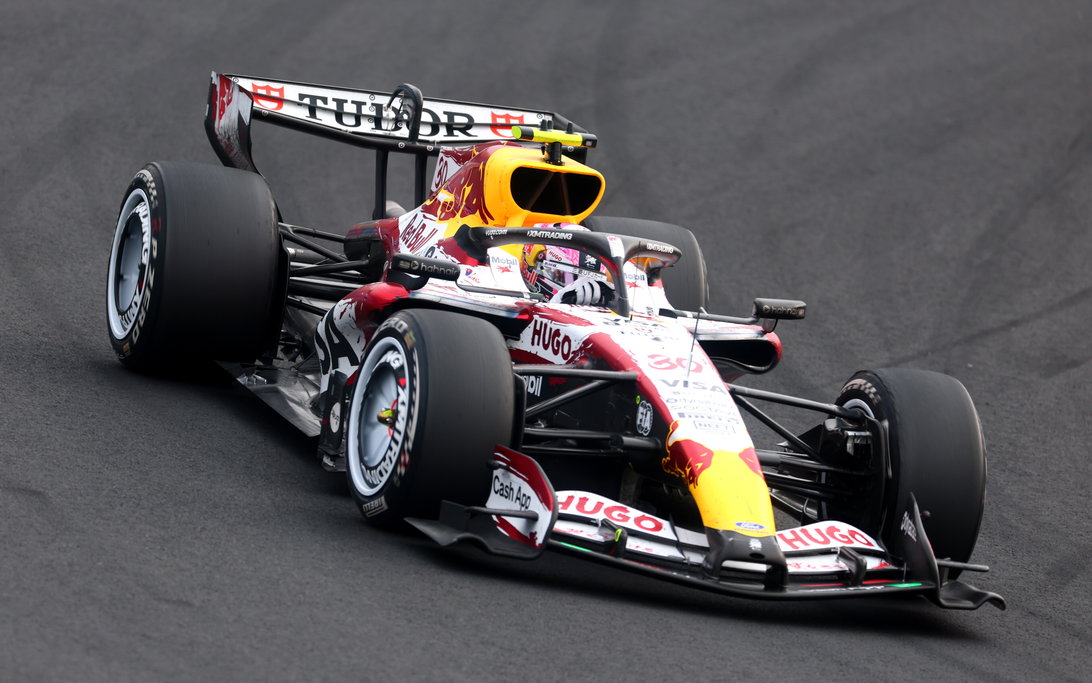
Liam Lawson calls energy deployment at Japanese GP 'extremely' difficult
Liam Lawson has detailed the significant challenge drivers face in managing overtaking energy in Formula 1's new era, describing the process at the Japanese Grand Prix as "extremely" difficult. The Racing Bulls driver highlighted how strategic energy deployment, rather than outright pace, often dictates on-track battles, leading to what he and others have likened to "yo-yo" or "artificial" overtaking.
Why it matters:
The struggle with energy management is fundamentally altering race craft and on-track strategy. When a driver can be overtaken only to immediately repass on the next straight due to an energy advantage, it diminishes the value of a traditional overtaking move and shifts the competitive focus from driver skill to strategic energy conservation and deployment timing.
The details:
- Lawson qualified 14th at Suzuka but finished a commendable ninth, engaging in a strategic duel with Alpine's Esteban Ocon for the final point.
- He revealed the difficulty in judging where to use his energy charge, noting an early incident where he was "unexpectedly" passed by Gabriel Bortoleto, only to repass him easily on the following straight.
- This pattern defined his race. He stated that both he and Ocon understood that using energy to pass would likely result in being immediately repassed, leading to a sustained, "sustainable" battle where neither driver committed their full energy reserve aggressively.
- The phenomenon is not isolated to Japan. Across the first three races of the season, a driver making an overtake has frequently lost the position almost immediately on the next straight, as the overtaken car has a temporary energy deployment advantage.
What's next:
The prevalence of this "yo-yo" effect is putting the current energy deployment and overtaking rules under scrutiny. Teams and drivers will need to develop even more sophisticated strategic models for when to attack and defend. While it adds a layer of strategic complexity, if it continues to make overtaking feel predictable and less merit-based on pure cornering speed, it may prompt discussions with the FIA about potential adjustments to the sporting regulations to ensure overtaking remains a genuine driver skill challenge.
Original Article :https://racingnews365.com/liam-lawson-reveals-extreme-japanese-gp-difficulty