




Verstappen agrees with Norris on key flaw in current F1 regulations
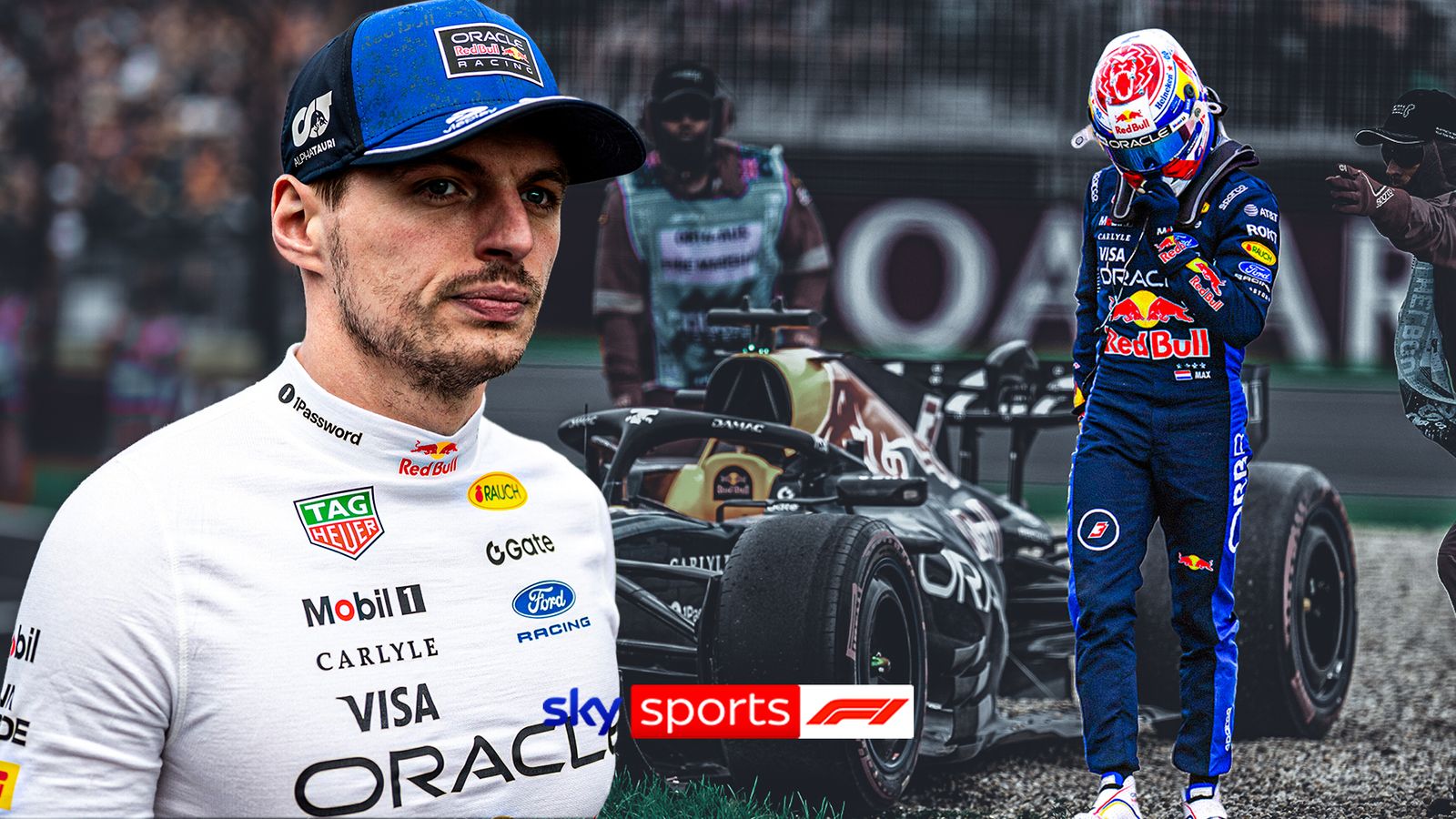
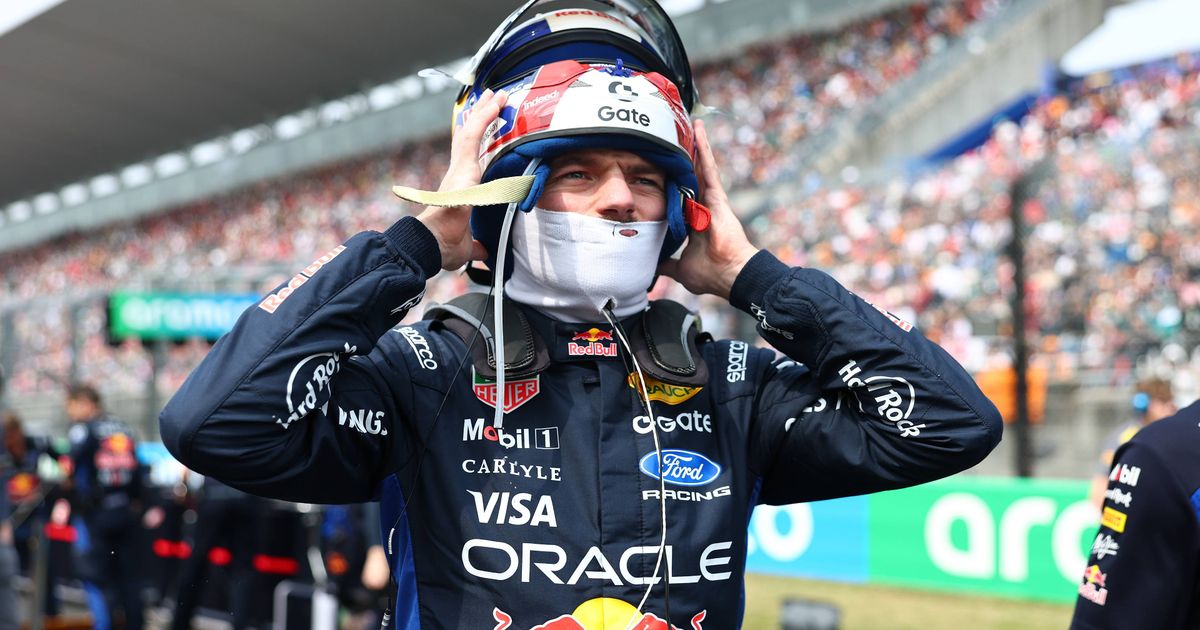
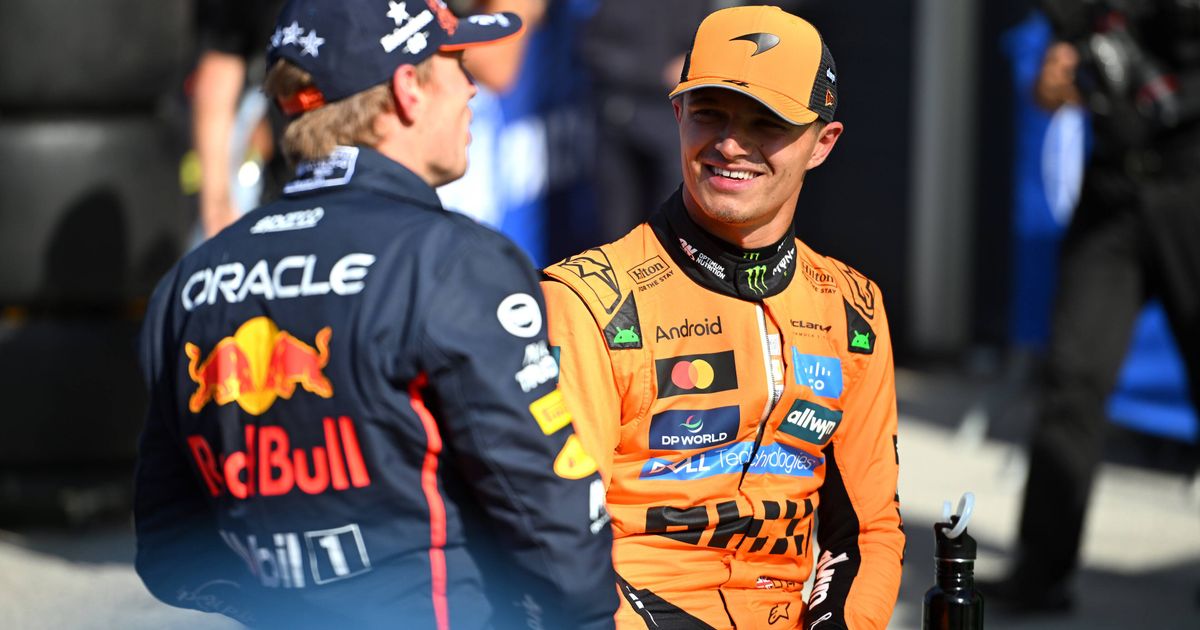
Max Verstappen has publicly aligned with Lando Norris in criticizing a fundamental inefficiency in Formula 1's current energy deployment rules, highlighting how the system can force drivers into unwanted overtakes and hinder strategic battery management on specific track layouts. Both drivers identified the issue at the Japanese Grand Prix, where the sequence of straights and corners at Suzuka made it nearly impossible to use the hybrid system effectively.
Why it matters:
The energy recovery system (ERS) is a core performance differentiator in modern F1, directly influencing overtaking and race strategy. When its deployment is dictated more by proximity sensors than driver intent, it undermines strategic nuance and can lead to suboptimal racing. This flaw exposes a regulatory gap where the intended hybrid racing technology can work against a driver's tactical plan, potentially affecting race outcomes.
The details:
- The core issue stems from the ERS automatically deploying extra energy when a car is within one second of a rival ahead, a rule intended to aid overtaking but which can backfire.
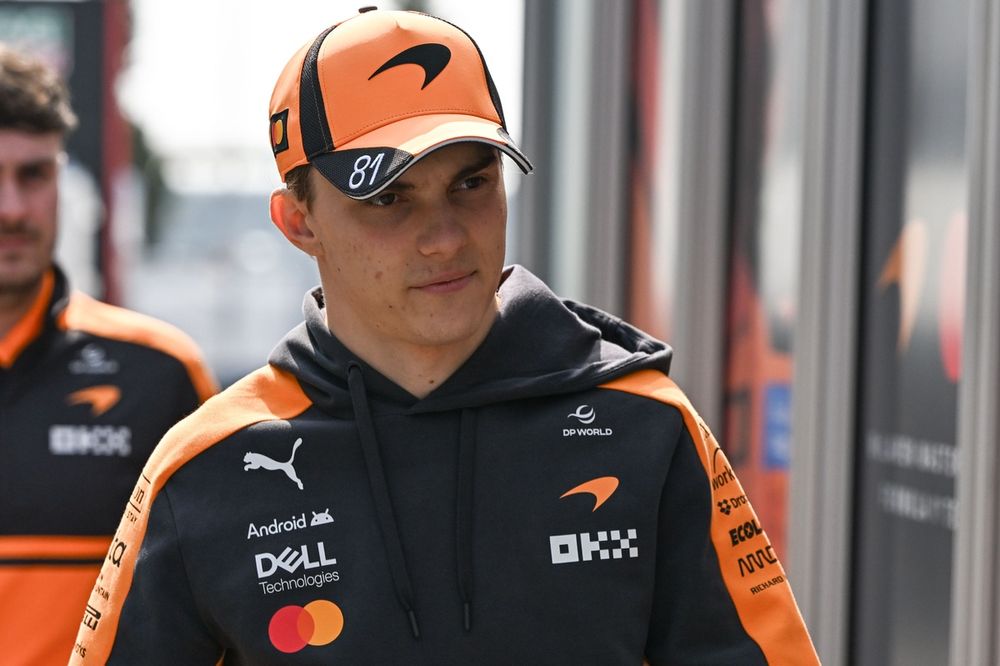
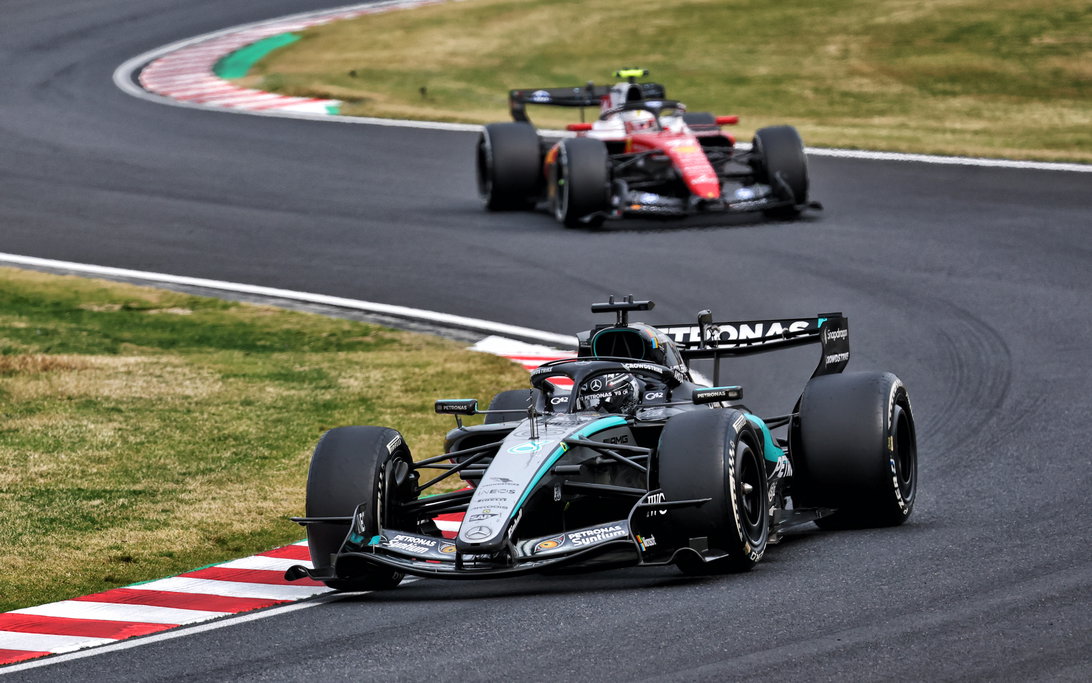
- Forced Moves: Lando Norris stated he was compelled to pass Lewis Hamilton's Ferrari at times because his battery deployed automatically, committing him to an overtake he hadn't planned.
- Track Dependency: Verstappen elaborated that the problem is exacerbated on circuits like Suzuka, which feature long straights followed by brief chicanes. Deploying energy on one straight leaves the battery drained for the next, with insufficient cornering sections to recharge it adequately.
- Strategic Handcuff: This makes efficient battery management "basically impossible" on such layouts, as Verstappen noted, forcing drivers into a reactive rather than proactive energy usage pattern.
- The problem was particularly acute for Red Bull in Japan, with Verstappen describing the car as having hit a "ceiling" behind Alpine, culminating in a disappointing P8 finish from P11 on the grid.
What's next:
While driver complaints are unlikely to trigger immediate mid-season regulation changes, they apply pressure on the FIA and Formula 1 to review this specific operational rule for future technical regulations.
- Teams, including Red Bull, will focus on software and strategy workarounds to better manage the automatic deployment within the current framework.
- The discussion brings a key technical-operational flaw into the public spotlight, ensuring it will be a point of scrutiny as the sport evolves its hybrid power unit rules for 2026 and beyond. Verstappen's confidence in Red Bull solving their performance issues remains, but this regulatory quirk is a challenge for all teams on the calendar.
Original Article :https://www.gpblog.com/en/news/verstappen-agrees-with-norris-over-key-flaw-in-cu...