


Leclerc defends F1's new 2026 racing style as 'not artificial'
Charles Leclerc is emerging as a vocal defender of Formula 1's radical 2026 regulations, arguing the new style of racing feels genuine from the cockpit despite widespread criticism from his peers. While rivals like Max Verstappen deride the heavy reliance on battery management, the Ferrari driver finds the tactical battles and constant position swaps engaging and strategically deep.
Why it matters:
Leclerc’s contrarian view highlights a potential split in driver opinion based on competitive position. His enjoyment is likely amplified by Ferrari’s performance, allowing him to fight at the front where the new tactical ‘cat and mouse’ games are most rewarding. His stance offers a crucial counter-narrative that the new era, while different, can still produce compelling and authentic racing.
The details:
- The 2026 cars feature a 50:50 power split between the internal combustion engine and electrical energy, leading to a strategic ‘yo-yo’ style of racing defined by energy deployment.
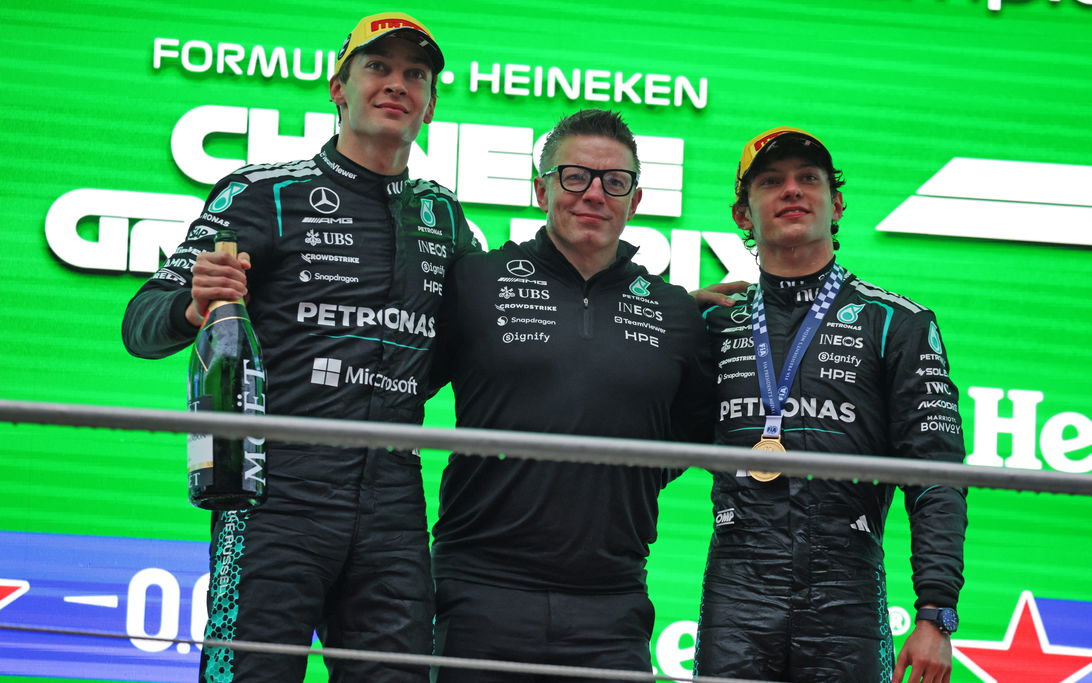
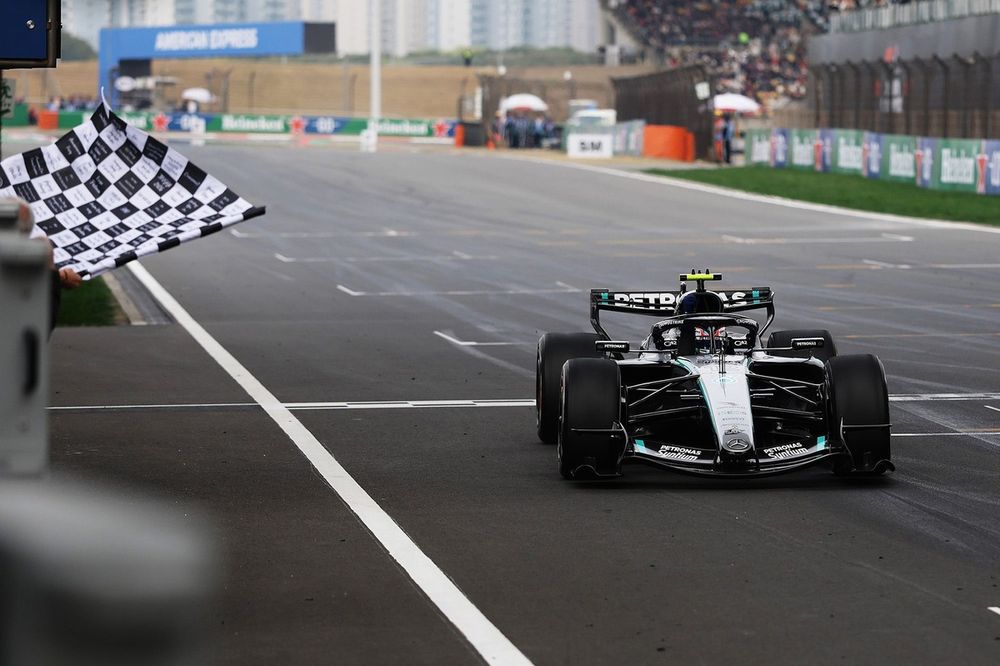
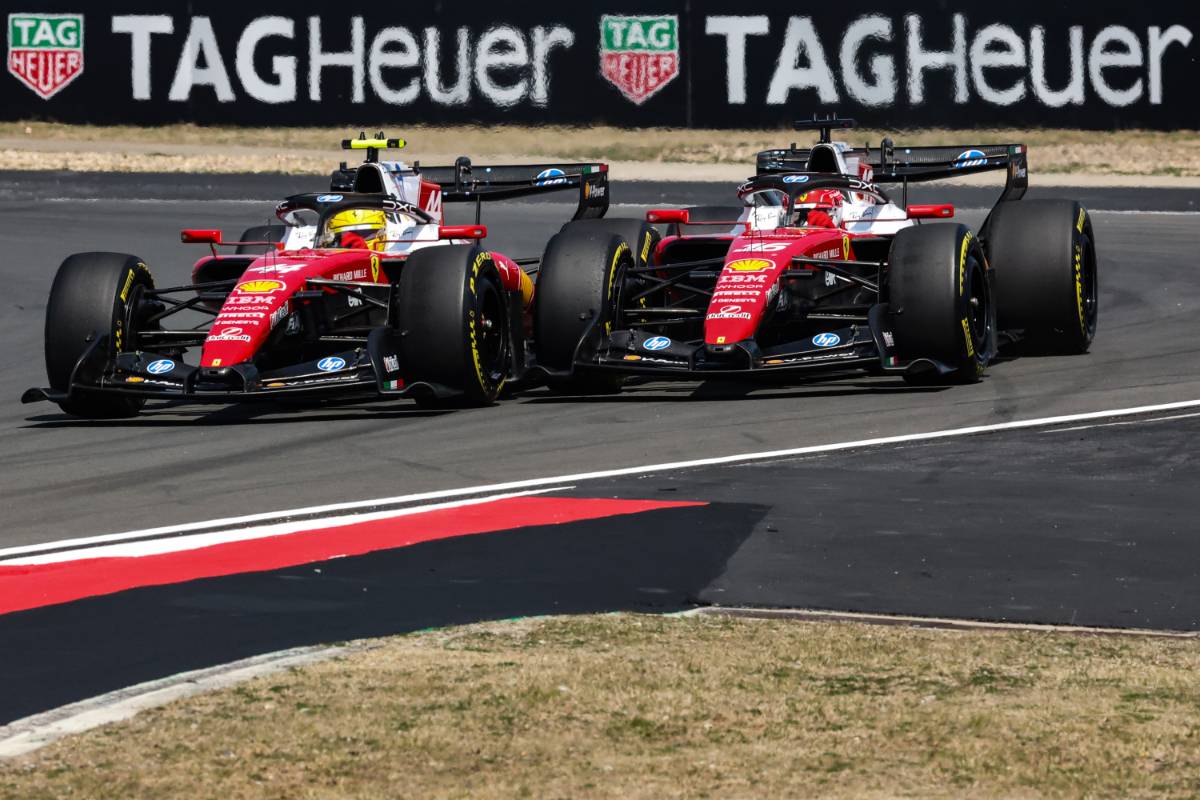
- Leclerc pointed to his intense battle with Lewis Hamilton and George Russell in China as an example, noting the ‘cool’ tactical mind games over when to deploy or save battery energy to gain an advantage into overtaking zones.
- He acknowledges some overtakes can feel artificial when a driver makes a major battery error, creating a huge speed difference, but believes teams are quickly learning the limits, creating defined and interesting overtaking opportunities.
- Competitive Context: His positive view is contrasted by the disdain expressed by drivers including Max Verstappen, Lando Norris, and Carlos Sainz, suggesting enjoyment may be tied to a car's capability. Fighting for podiums makes the new challenges more palatable.
- Qualifying Concern: While praising the racing, Leclerc joined critics in noting that the lower-downforce cars lack the ultimate qualifying feel of previous generations, stating something is missed on Saturdays and hoping the FIA can find a solution.
What's next:
The debate over the 2026 regulations' success will continue as teams further optimize their energy management strategies. Leclerc’s perspective suggests that once the initial shock wears off and teams converge on understanding the new systems, the racing could be accepted as a different but valid form of competition. The focus will now shift to whether the FIA can address the qualifying experience without undermining the race-day dynamics Leclerc enjoys.
Original Article :https://f1i.com/news/561400-leclerc-defies-peers-defends-f1-new-era-it-doesnt-fe...