


Bernie Ecclestone's 'machine gun' claim reveals F1's political donation scandal
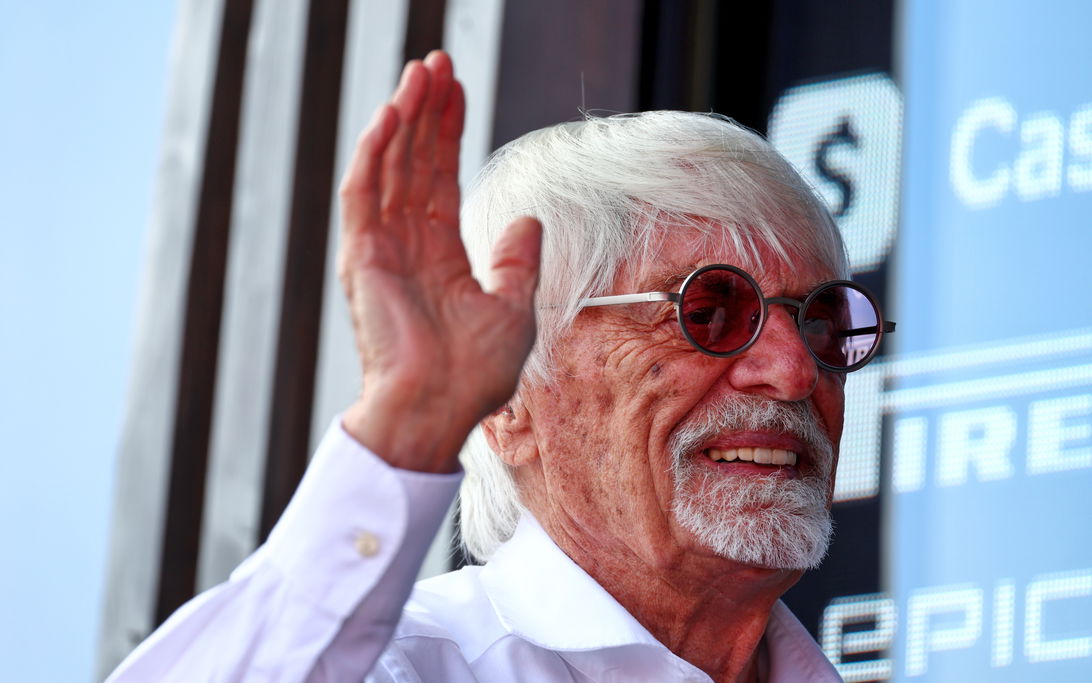
Former F1 supremo Bernie Ecclestone once claimed he would face a "machine gun" rather than discuss a controversial £1 million donation to Tony Blair's Labour Party, a scandal that exposed high-level lobbying to exempt Formula 1 from a tobacco advertising ban. The episode, reignited by declassified memos showing Blair moved faster than claimed to seek the exemption, highlights a contentious chapter where motorsport, politics, and big money collided.
Why it matters:
This historical scandal underscores the immense political and financial influence wielded by F1's commercial leadership in the past. It reveals the lengths to which the sport lobbied to protect its then-crucial tobacco sponsorship revenue and the ethical gray areas at the intersection of major political donations and policy decisions. The fallout contributed to public skepticism and led to the eventual, albeit delayed, implementation of the tobacco advertising ban in F1.
The details:
- In January 1997, Ecclestone donated £1 million to the Labour Party, which won the general election months later with Tony Blair becoming Prime Minister.
- That October, Ecclestone met with Blair in Downing Street to lobby for an exemption from a planned blanket ban on tobacco advertising, arguing it could cost 200,000 UK jobs. No official minutes of the meeting were kept.
- Weeks later, Health Minister Tessa Jowell argued before the EU for an exemption specifically for Formula 1.
- When the donation was revealed by the Sunday Telegraph in November 1997, the Labour Party returned the money amid allegations of a "bribe."
- Three years later, declassified memos showed Blair instructed his chief of staff to seek the exemption within hours of the Ecclestone meeting, contradicting the government's original timeline that the decision came weeks later.
- Ecclestone felt betrayed, telling the Sunday Times that Blair broke a mutual agreement to stay silent, leading to his fiery "machine gun" remark: "I said to those clowns: if someone puts me up against the wall with a machine gun, I will not confirm or deny anything about the donation."
Between the lines:
The scandal was less about the legality of the donation and more about transparency and the perception of access. Ecclestone's anger stemmed from a broken confidence, a deal between powerful figures that unraveled. For the Blair government, it became a case study in damage control and managing the narrative. Ultimately, the lobbying failed in the long term; the tobacco advertising ban was phased into F1 throughout the mid-2000s, forcing the sport to find new revenue streams and sever its long-standing ties with the tobacco industry.
Original Article :https://racingnews365.com/bernie-ecclestone-makes-machine-gun-claim-after-major-...