





Honda's F1 Engine Woes: A Long Road to Recovery
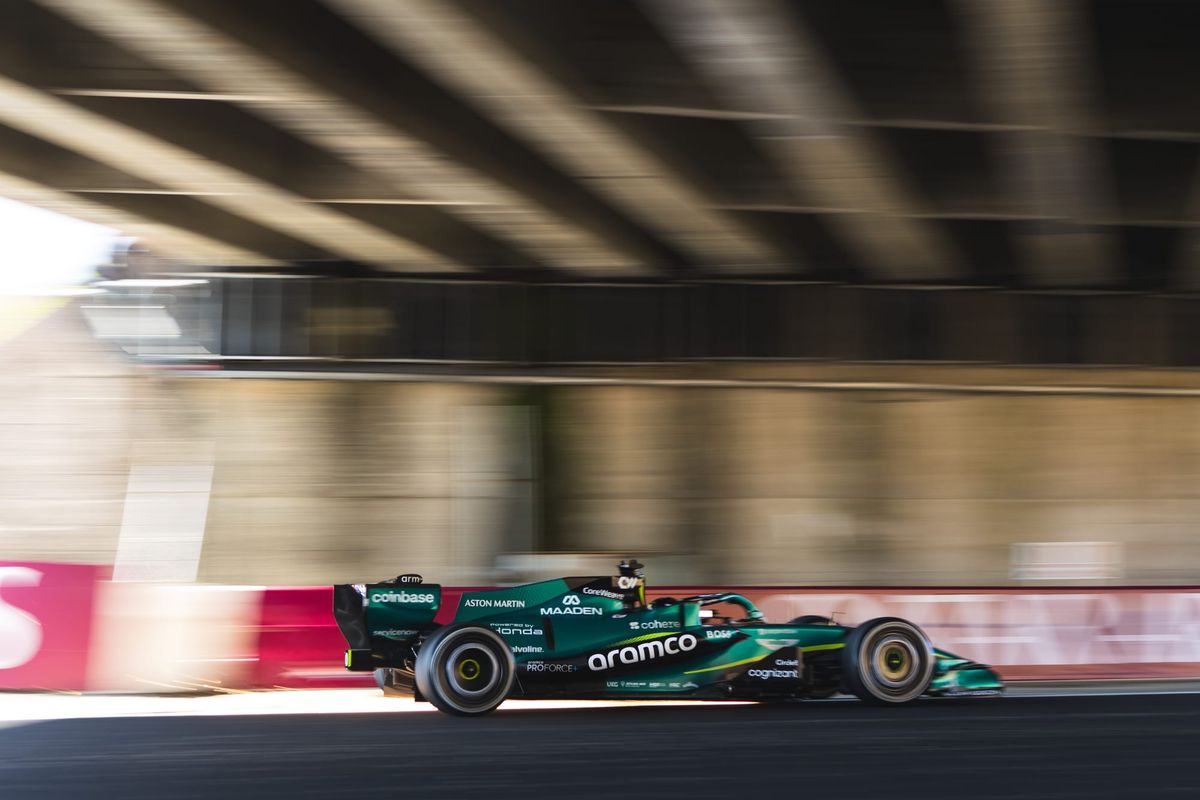
Honda's 2026 Formula 1 power unit is underpowered and unreliable, creating a disastrous start to its works partnership with Aston Martin. While immediate efforts are focused on reliability fixes, any meaningful performance upgrade is a long-term project, with significant improvements unlikely before the summer break. The team faces a painful timeline, hampered by regulatory processes and the inherent complexity of engine development.
Why it matters:
The severe underperformance of Honda's new engine jeopardizes the ambitious Aston Martin-Honda partnership before it even gets started, turning a potential title-contending union into a backmarker. In the new 2026 regulatory era, a slow start can be incredibly costly, as it diverts resources to firefighting instead of performance development, potentially creating a deficit that is difficult to overcome in subsequent seasons.
The Details:
- The engine suffers from a dual deficit: its internal combustion engine is underpowered, and its inefficient battery usage severely limits the deployment and harvesting of energy from the MGU-K hybrid system.
- This was starkly visible at the Japanese GP, where Aston Martin cars were 20-30 km/h slower than rivals on the main straights and could not use the MGU-K through key corners like Turns 3 to 6 at Suzuka.
- Honda's immediate priority is controlling crippling reliability issues, which have led to multiple retirements and limited running. Quick fixes have been applied, but a more substantial reliability specification change is targeted for the Miami Grand Prix in May.
- The ADUO System: For performance gains, Honda must wait for the FIA's Additional Development and Upgrade Opportunities (ADUO) system to be activated. This system grants underperforming manufacturers like Honda extra upgrade tokens, cost cap relief, and dyno time based on their performance deficit.
- A stakeholder meeting will determine the timeline, but the first ADUO period is not expected until May, delaying the official start of performance upgrade work.
- Even after receiving approval, designing, testing, and manufacturing a new engine specification takes months. Honda's lead trackside engineer, Shintaro Orihara, confirmed that improving engine performance "mechanically, is not a short-term job."
- In the interim, the only near-term performance gains may come from refining energy management strategies and software, and from any performance unlocked by solving the core reliability problems that currently force the engine to run in a conservative state.
What's Next:
The outlook for Aston Martin-Honda in the short term remains bleak. Lead driver Fernando Alonso expects little change before the summer break, and the data shows this start is statistically worse than his infamous McLaren-Honda years.
- The focus for the coming months will be a two-pronged approach: stabilizing the package with reliability upgrades and laying the groundwork for performance improvements once the ADUO process allows.
- A meaningful engine performance upgrade is unlikely to arrive before late summer or early autumn at the earliest. Until then, Aston Martin's progress will largely depend on its own in-season chassis development, including a weight reduction program, to try and mitigate the power unit's shortcomings.
Original Article :https://www.the-race.com/formula-1/honda-painful-timeline-f1-engine-improvements...