


Bearman's crash forces F1 safety reckoning over new power units
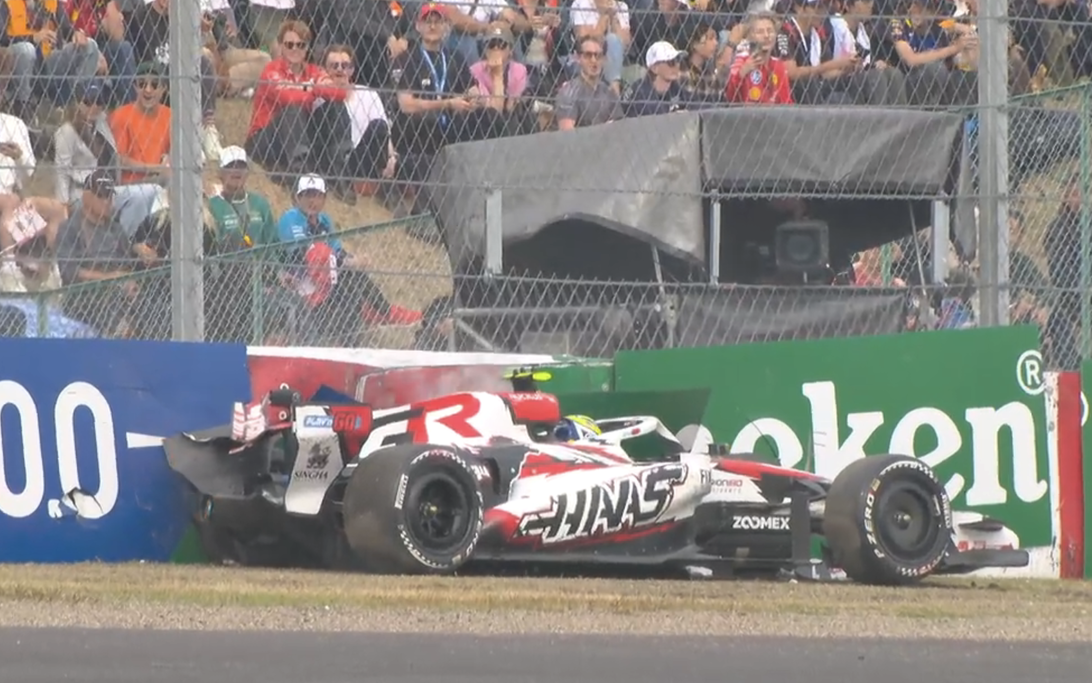
A high-speed crash for rookie Oliver Bearman at the Japanese Grand Prix has intensified calls from drivers and fans for the FIA to urgently address safety risks created by the 2026 power unit regulations. The incident, caused by a massive speed differential between cars using different energy modes, exposed a potentially dangerous flaw in wheel-to-wheel racing under the new rules.
Why it matters:
The crash highlights a critical, unaddressed safety loophole where cars on different deployment strategies can have wildly different speeds on straights, turning standard overtaking zones into accident hotspots. With drivers warning about this specific danger before the season even began, the incident validates their concerns and puts pressure on the FIA to act before a more serious accident occurs. The governing body's prior inaction is now under intense scrutiny.
The details:
- Oliver Bearman suffered a 50g impact with the barrier at Suzuka after avoiding the slower Alpine of Franco Colapinto. He escaped with only a knee contusion.
- The root cause was a 50 km/h (31 mph) speed difference between the two cars at the moment of the incident, created solely by their differing energy deployment settings from the new hybrid power units.
- Bearman, in the Haas, was on a high-power mode while Colapinto was harvesting or using less energy, creating a sudden and extreme closing speed that left the rookie with no time to react.
- Post-race, the driver group collectively emphasized the seriousness of the situation, stating the new PUs have introduced an unpredictable and hazardous variable into close combat.
- In a fan poll, 84.29% of respondents agreed the regulations need immediate addressing, believing Bearman's crash is a warning sign of more to come.
What's next:
The spotlight is now firmly on the FIA to formulate a response before the next race in Miami in early May. Options are limited but could involve mandating a standardized energy deployment mode in certain race zones or during close-proximity racing to cap the maximum speed differential. The alternative—doing nothing and hoping drivers adapt—is a risk the majority of the sport's stakeholders appear unwilling to take following the frightening visual from Suzuka. The coming weeks will test the governing body's ability to react swiftly to an emergent safety threat.
Original Article :https://racingnews365.com/f1-urged-to-make-immediate-changes-following-frighteni...