



Hadjar's cold shoulder: Antonelli's apology rejected after China GP sprint clash
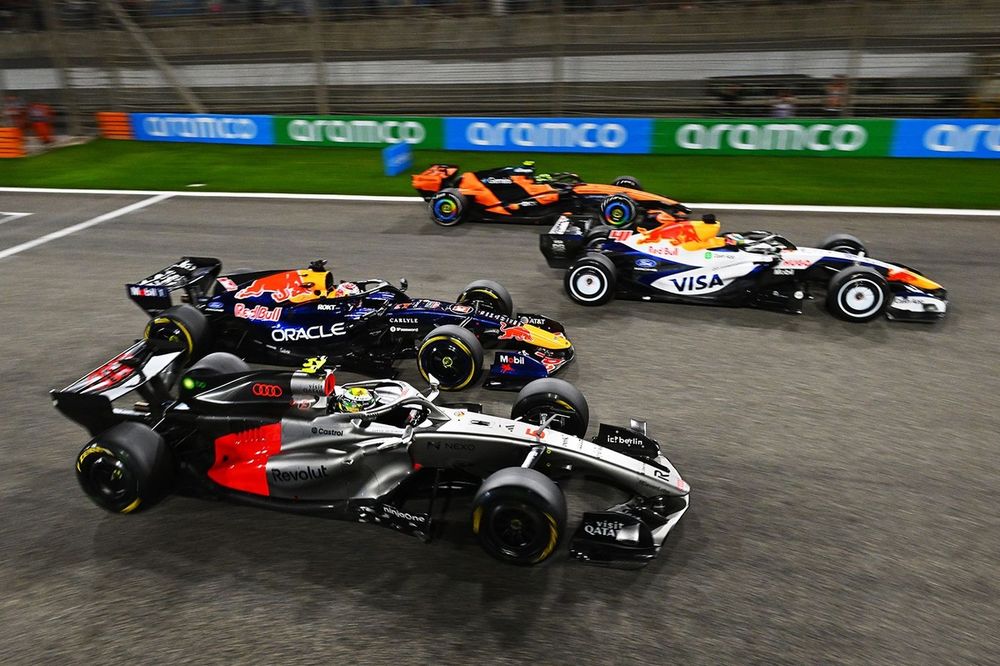
A tense post-race moment went viral after the Chinese Grand Prix sprint when Red Bull's Isack Hadjar pointedly rejected an apology from Mercedes' Kimi Antonelli following a first-lap collision. The incident, which earned Antonelli a penalty, highlighted the raw emotions and competitive fire among F1's rising stars, sparking debate about on-track etiquette.
Why it matters:
In the high-stakes, pressure-cooker environment of Formula 1, post-race interactions can reveal as much as the racing itself. A rejected apology underscores the intense frustration drivers feel when their race is compromised, especially for a driver like Hadjar who felt a strong result was within reach. It also puts a spotlight on the personalities and maturity of the sport's next generation as they navigate professional relationships under extreme stress.
The details:
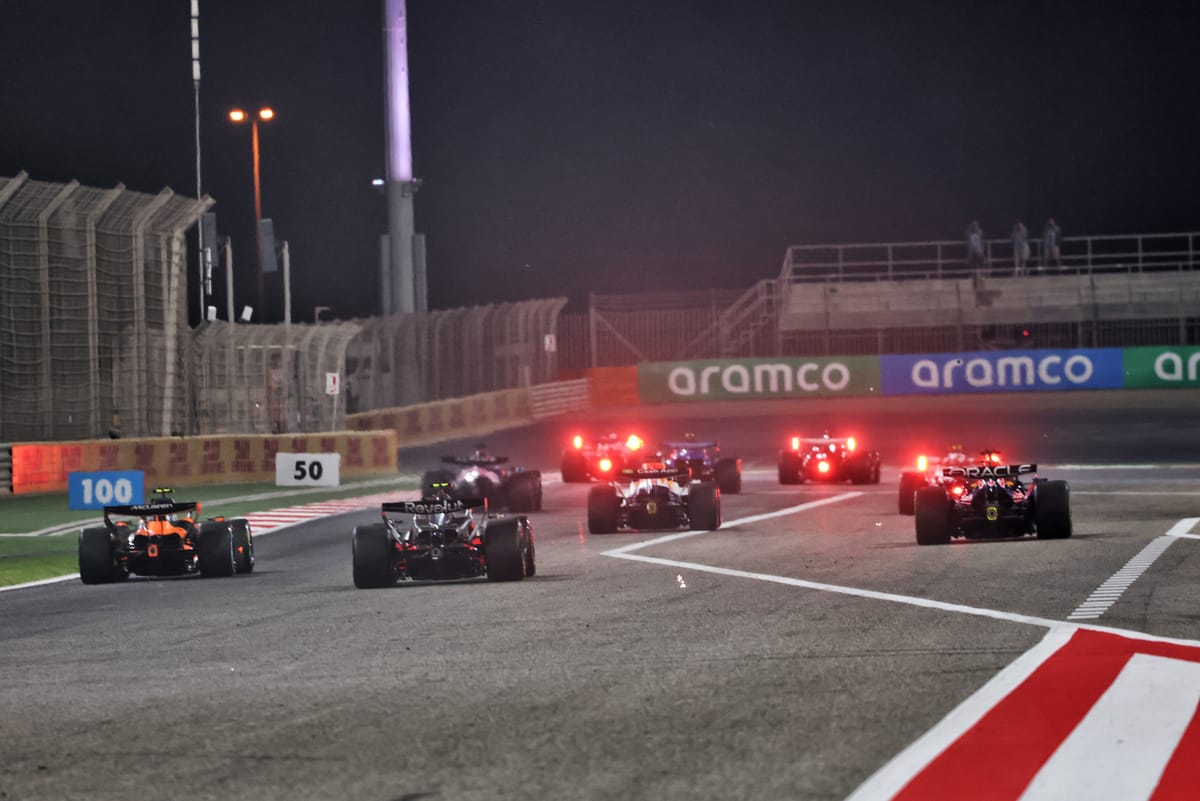
- The clash occurred on the opening lap of the Shanghai sprint race, with Antonelli making contact with Hadjar's car.
- Race stewards quickly investigated and handed the Mercedes junior a 10-second time penalty for the incident.
- After the race, Antonelli, who had secured pole position for Sunday's Grand Prix, approached Hadjar to apologize.
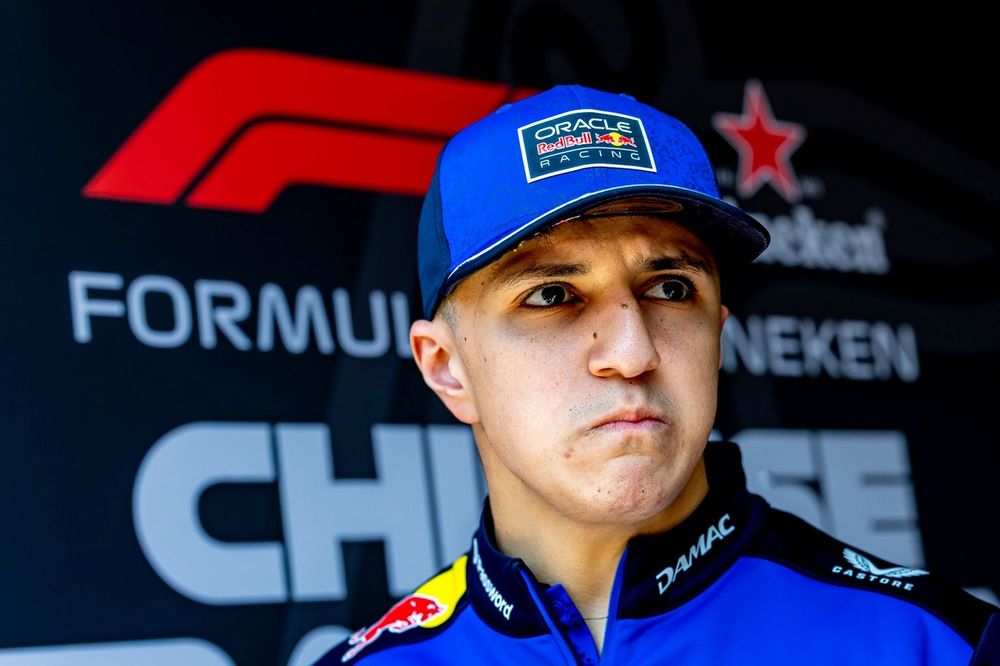
- Hadjar's response was visibly cold; he gestured for Antonelli to move away and brushed off the apology attempt before exiting his car, a moment captured and shared widely on F1's official social channels.
- In a post-sprint interview with Canal+, Hadjar expressed his annoyance, questioning Antonelli's aggressive mindset given his competitive car and eventual strong qualifying position: "I don’t understand why he’s so worked up when he has a rocket of a car and is going to move up anyway."
Between the lines:
The reaction drew commentary from figures like former F1 driver Ralf Schumacher, who provided context on Sky Deutschland. He suggested Hadjar's reaction was born of immediate frustration and his driven personality. "He’s a top-level athlete, someone who is totally focused and gives his all to the sport. So yes, you could say that a reaction like that can happen sometimes," Schumacher said, adding that such moments are part of a young driver's learning curve in managing emotions publicly.
What's next:
While the sprint race chapter closed with Hadjar finishing 15th, both drivers moved on to the main event. Hadjar qualified his Red Bull on the fifth row for the Chinese Grand Prix, earning a ninth-place start. The brief, awkward exchange is likely to be a footnote in their careers, but it serves as a reminder of the fierce rivalry and passion that defines Formula 1, where moments of sportsmanship and conflict often exist side-by-side in the heat of competition.
Original Article :https://www.motorsport.com/f1/news/why-isack-hadjar-rejected-kimi-antonellis-apo...