




F1 teams face ripple effects from Bahrain, Saudi GP cancellations
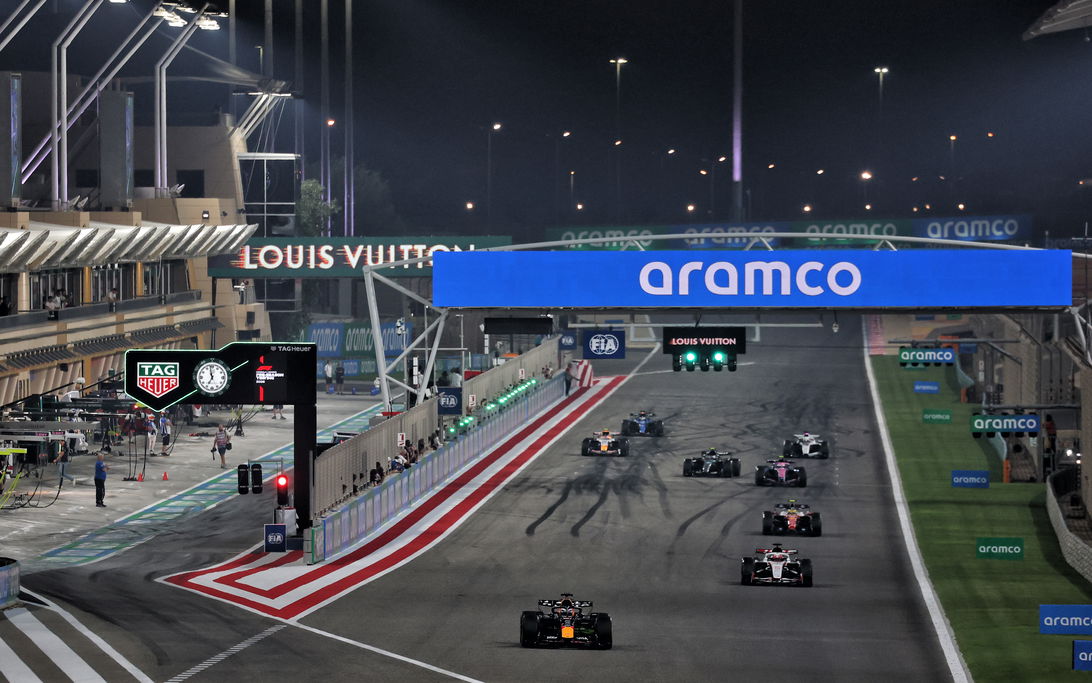
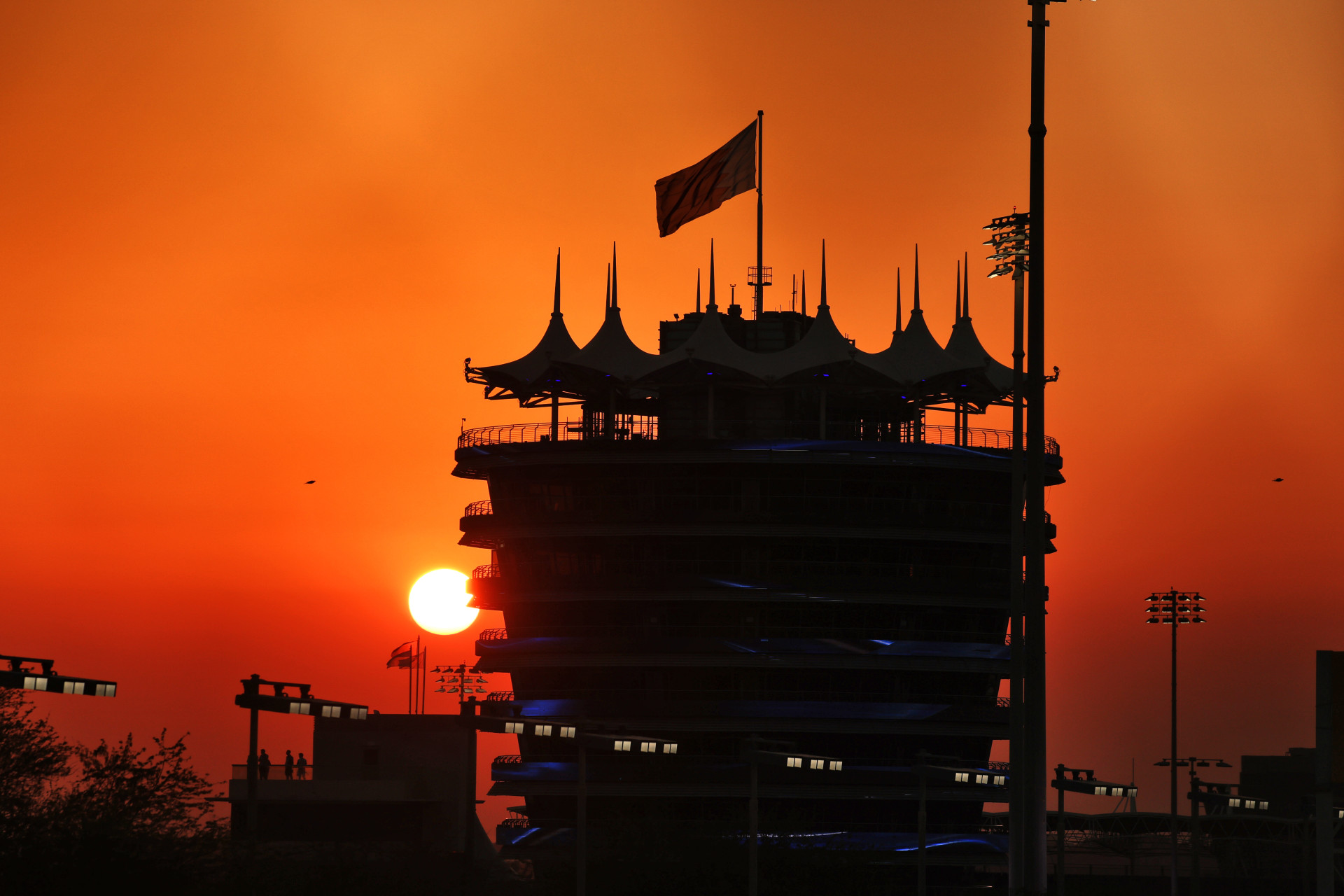
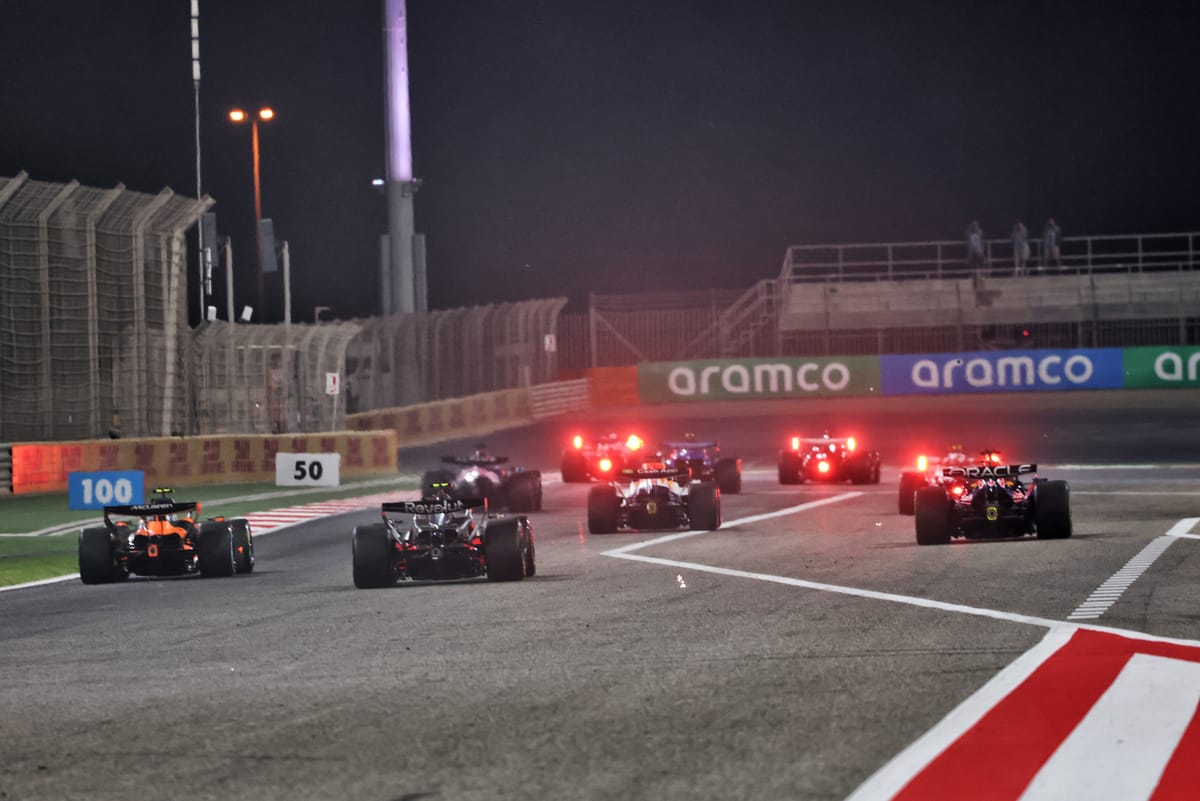
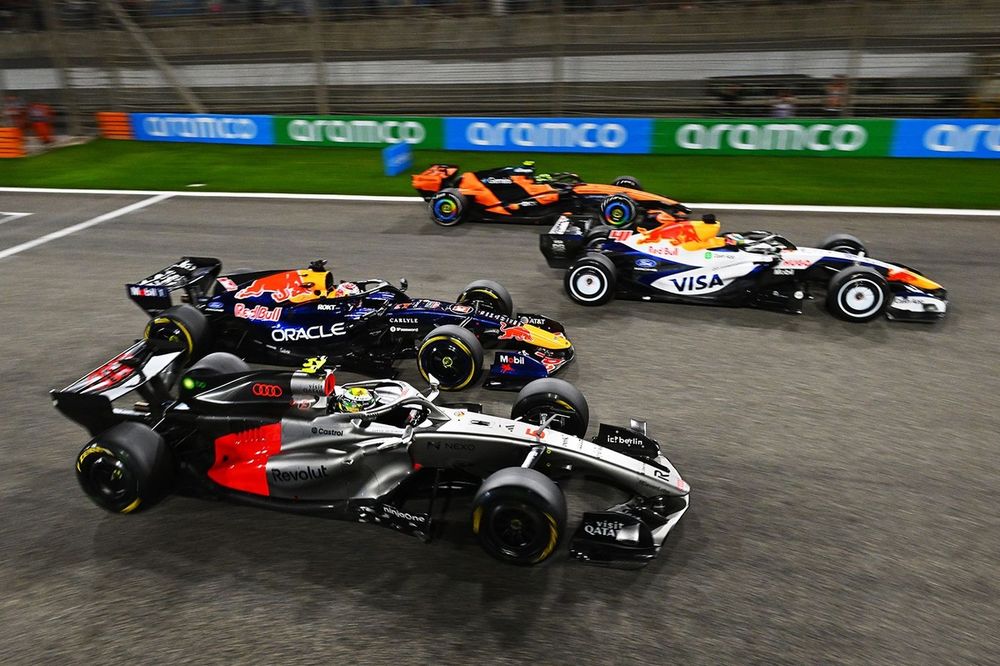
The cancellation of the Bahrain and Saudi Arabian Grands Prix due to regional instability is forcing Formula 1 teams to recalibrate their early-season plans, impacting upgrade schedules, development catch-up mechanisms, and the timeline for a key new engine regulation. While the logistical challenge of retrieving freight from Bahrain is significant, the sporting consequences for development under the new rules are more profound.
Why it matters:
In a season defined by a massive development race under fresh regulations, the loss of two race weekends disrupts the carefully calibrated plans of all ten teams. It affects how and when they can introduce performance upgrades within the strict budget cap and alters the timeline for engine manufacturers to use sanctioned development opportunities to close performance gaps.
The details:
- Upgrade Plans & Budget Cap Pressure: Teams must now replan the introduction of new parts. The Bahrain GP was a strategically useful event for upgrades, offering real-world data from pre-season testing for comparison. With it gone, updates may be pushed to Miami or Montreal.
- Alpine's Steve Nielsen highlighted that under the cost cap, even shipping costs for new parts are a critical factor, forcing teams to weigh a part's performance gain against the expense of flying it to distant races.
- ADUO System Timing: The cancellation affects the new Additional Development and Upgrade Opportunities (ADUO) system for combustion engines. It grants extra upgrade tokens to manufacturers that are behind after every six races.
- With Honda believed to be eligible for upgrades, the FIA must decide whether to keep the first assessment after six calendar races (moving it to Monaco) or adjust the cycle. Options include using calendar dates or shortening the first cycle, with a decision expected around the Japan GP.
- Compression Ratio Test Window: A new 130°C compression ratio test comes into force on June 1st. The cancelled races mean Mercedes and others now have only five race weekends (instead of seven) to potentially benefit from their current engine performance before complying with the stricter test.
- Paddock analysis suggests Mercedes' advantage is multi-faceted and the lap time gain from the compression ratio is smaller than some reports claimed. Team Principal Toto Wolff has previously downplayed the issue as "a storm in a teacup."
What's next:
Teams will use the extended gap between China and Japan to finalize their revised upgrade logistics and strategies. The FIA is expected to clarify the ADUO timeline during this period. While the calendar change presents a universal challenge, it may benefit teams who needed more time to understand their new cars, turning an unexpected disruption into a valuable reset period for the long development season ahead.
Original Article :https://www.motorsport.com/f1/news/f1-teams-face-unexpected-fallout-after-bahrai...