





Gary Anderson: How F1's active rear wing concepts work
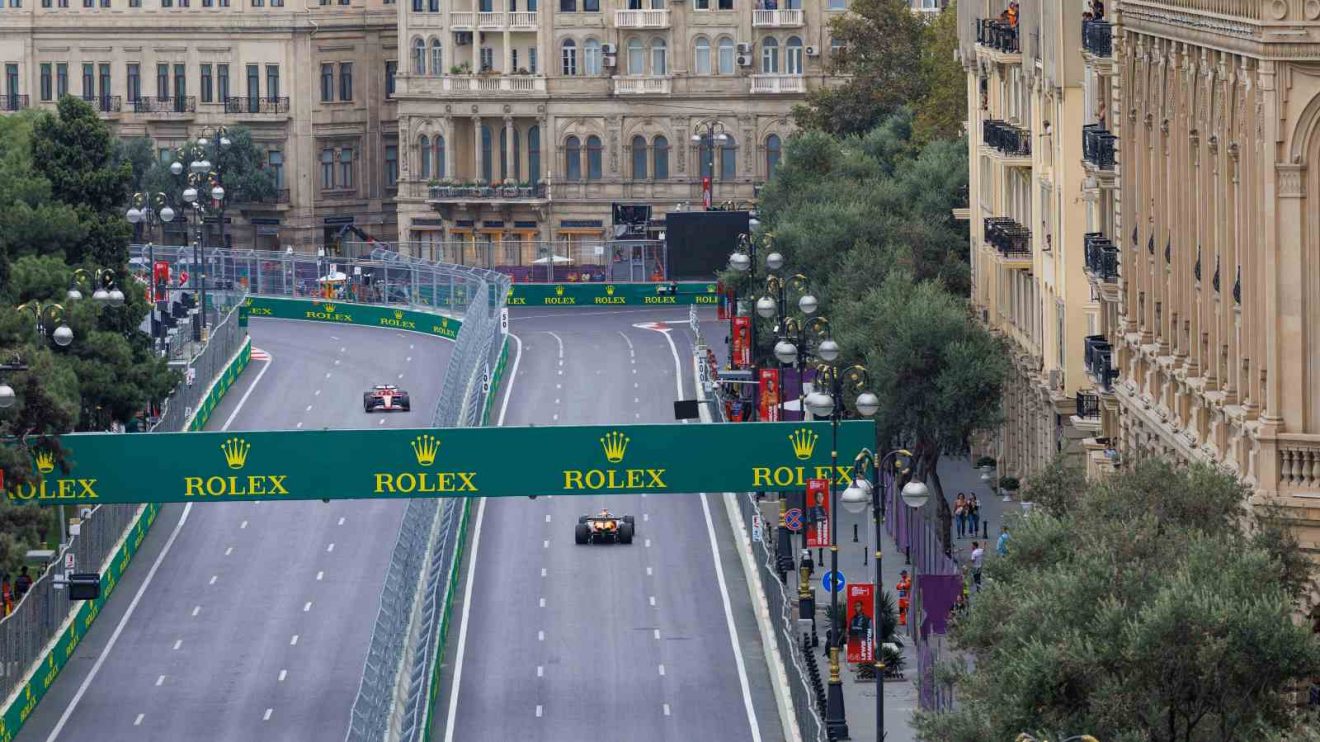
Baku, like Monza, rewards straightline speed, making rear wing design crucial under F1's new-for-2026 active aero rules. The goal: maximum downforce in cornering mode, minimum drag on straights, with the transition completed within 0.4 seconds.
Drivers trigger straight mode via a button, but returning to cornering mode is automatic when braking. If airflow doesn't reattach quickly, the rear becomes unstable – as Max Verstappen discovered at the Red Bull Ring and Silverstone, where a mechanical issue caused two offs at corner entry.
Why it matters:
The active wing isn't about overtaking – everyone uses straight mode each lap. It's about higher top speeds, especially when the hybrid unit runs out of electrical power before the end of long straights.
The details:
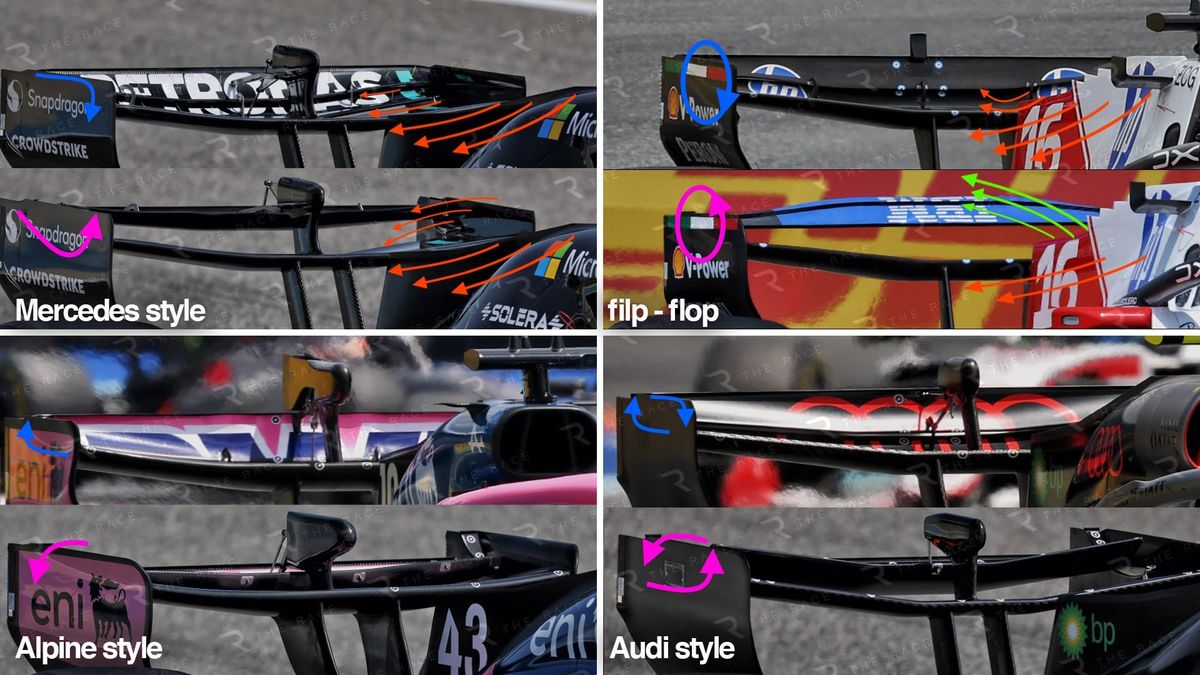
Four rear wing concepts are in use.
- Mercedes: An extension of DRS. The flap rotates about its leading edge; even open, it retains some downforce, so reattachment is smooth. Most teams started here.
- Ferrari: The 'flip-flop' or H-wing. The flap inverts to create lift when open, cutting drag. On closing, it rotates against the airflow, acting like a parachute to aid braking. Red Bull and McLaren have their own versions, rotating the opposite way.
- Alpine: Drops the trailing edge to reduce flap angle and open the slot gap. Airflow never detaches, so transitions are seamless.
- Audi: A variation of Alpine's, rotating the flap around its centre to lower the trailing edge and raise the leading edge.
What's next:
Judged by poles, wins and points, Mercedes' concept is the one to beat. Thanks to prior DRS knowledge, Mercedes didn't start from scratch – a significant advantage. As the season progresses, expect teams to converge or refine their chosen paths.
Original Article :https://www.the-race.com/formula-1/how-each-active-f1-rear-wing-concept-works-ga...