




FIA to review 2026 F1 regulations following Bearman's high-speed crash
The FIA will hold meetings in April to assess Formula 1's new 2026 technical regulations after Oliver Bearman's massive 50G crash at the Japanese Grand Prix, which drivers directly attribute to dangerous speed differentials created by the rules. The incident has intensified calls from drivers for urgent changes to ensure safer racing conditions, with fears that a similar crash on a street circuit could have catastrophic consequences.
Why it matters:
The crash exposed a critical, predicted flaw in the 2026 regulations where cars slow dramatically to harvest energy, creating closing speeds of over 50kph (31mph) on straights. Drivers have warned since pre-season that this creates an unacceptable safety risk, and Bearman's accident is seen as a stark validation of their concerns. The FIA's response will test its ability to proactively adjust complex regulations in the interest of driver safety versus the spectacle of racing.
The details:
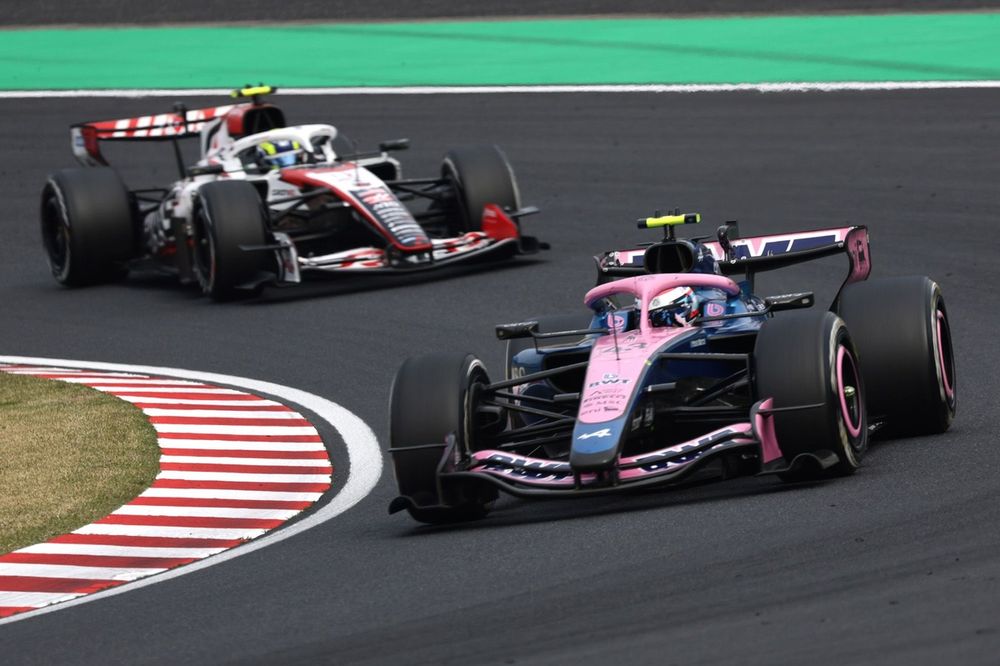
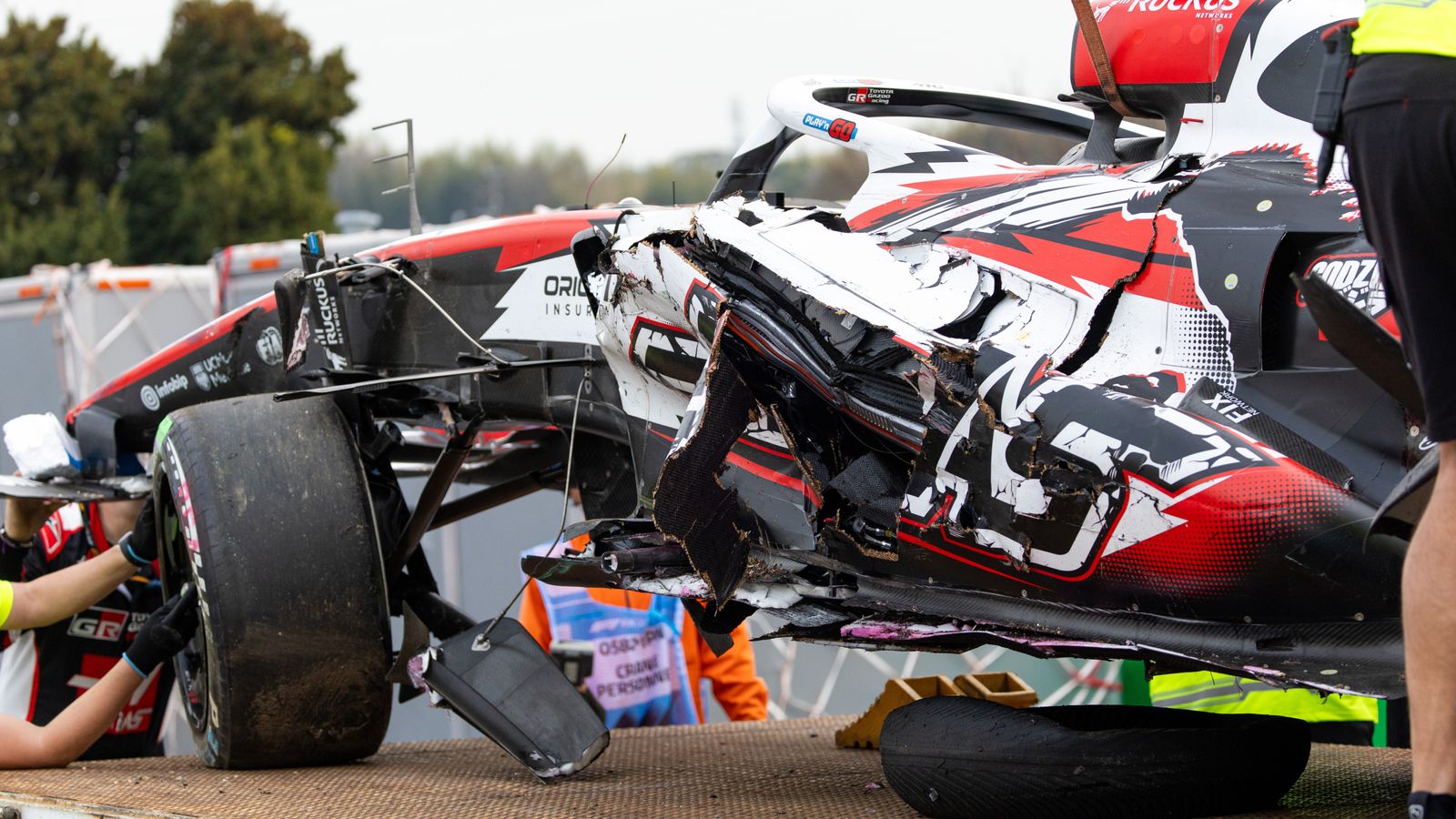
- The Incident: Oliver Bearman's Haas spun at over 190mph (306kph) on the approach to Suzuka's Spoon Curve after taking to the grass to avoid a slowing Franco Colapinto. The impact with the barrier registered at 50G, leaving Bearman with a knee contusion.
- Driver Blame: Bearman and other drivers explicitly linked the crash to the 2026 power unit regulations, which force cars to lift and coast to harvest energy, creating massive and unpredictable speed deltas. Bearman reported a 50kph overspeed difference at the moment of the incident.
- Official Response: The FIA confirmed scheduled April meetings for a "structured review" of the regulations, noting they contain "adjustable parameters" for energy management. However, it cautioned that "any speculation regarding the nature of potential changes would be premature."
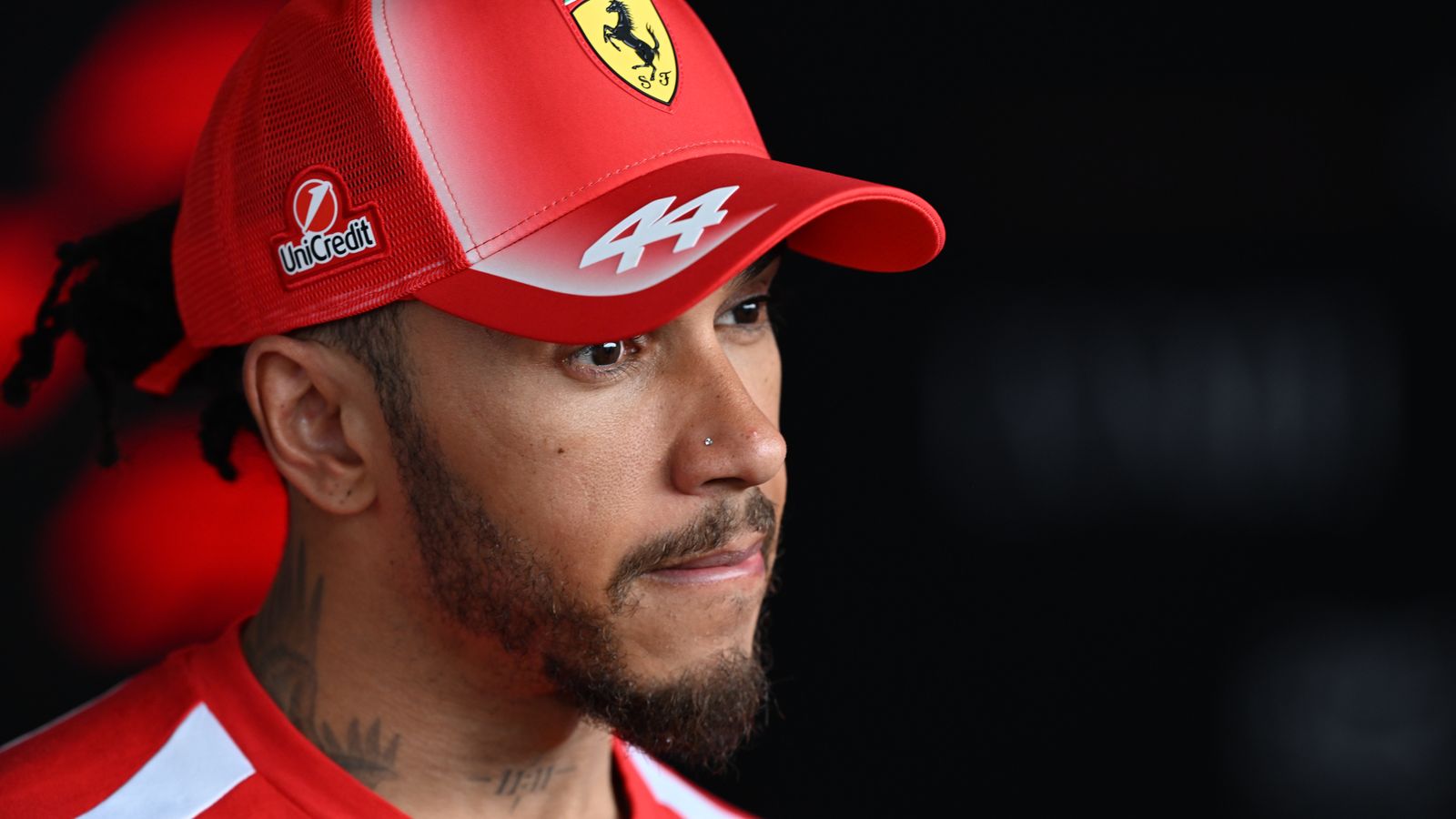
- Driver Advocacy: Carlos Sainz, a GPDA director, revealed drivers met with the FIA's Nicolas Tombazis in Suzuka, who indicated changes would be made for the Miami GP in May. Sainz was scathing, stating the racing under these rules "is not OK" and warning of worse outcomes on tight street circuits like Baku or Singapore.
- Team Perspective: McLaren's Andrea Stella, who warned of the issue in February, called for a data-driven, analytical approach to find a solution, suggesting it should be "at the top of the agenda" for the upcoming meetings.
What's next:
The pressure is now on the FIA and stakeholders to find a technical fix before a more serious accident occurs. The April meetings will be crucial in determining if and how the energy management parameters can be refined to reduce dangerous closing speeds without gutting the regulatory intent.
- Drivers expect tangible changes to be implemented by the Miami Grand Prix in early May.
- The debate centers on balancing the new formula's efficiency goals with fundamental safety, with drivers insisting the current risk during races is untenable.
- The outcome will set a precedent for how the sport adapts its groundbreaking 2026 rules package in real-time based on on-track evidence.
Original Article :https://www.skysports.com/f1/news/12433/13525701/japanese-gp-fia-to-assess-f1-20...