





FIA to review 2026 F1 regulations after Bearman's high-speed crash at Suzuka
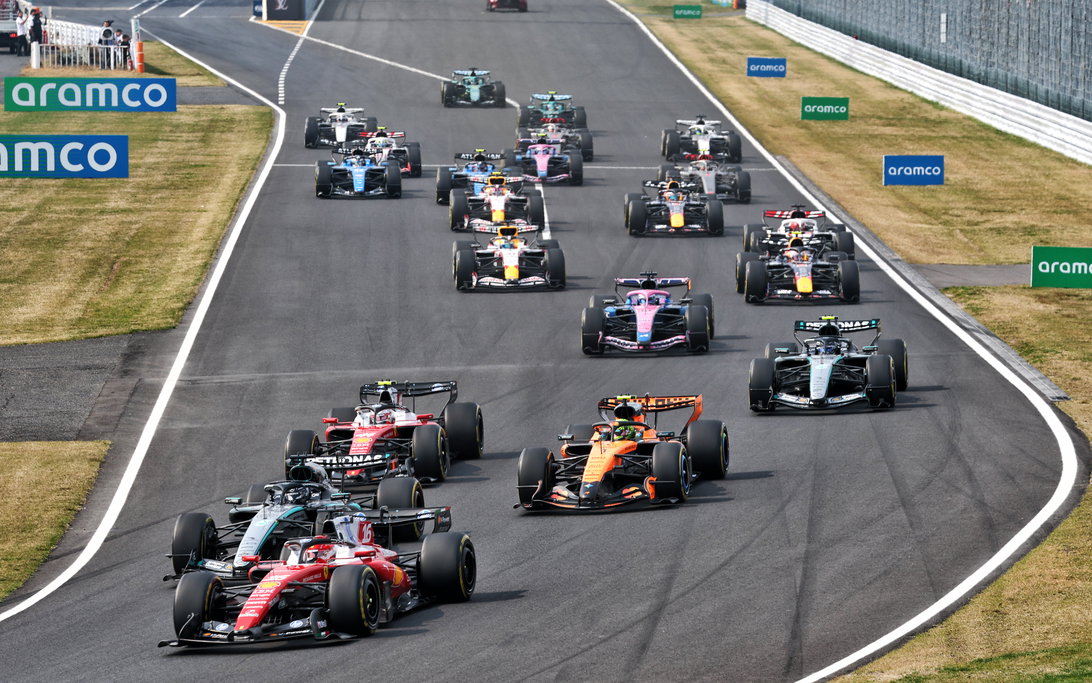
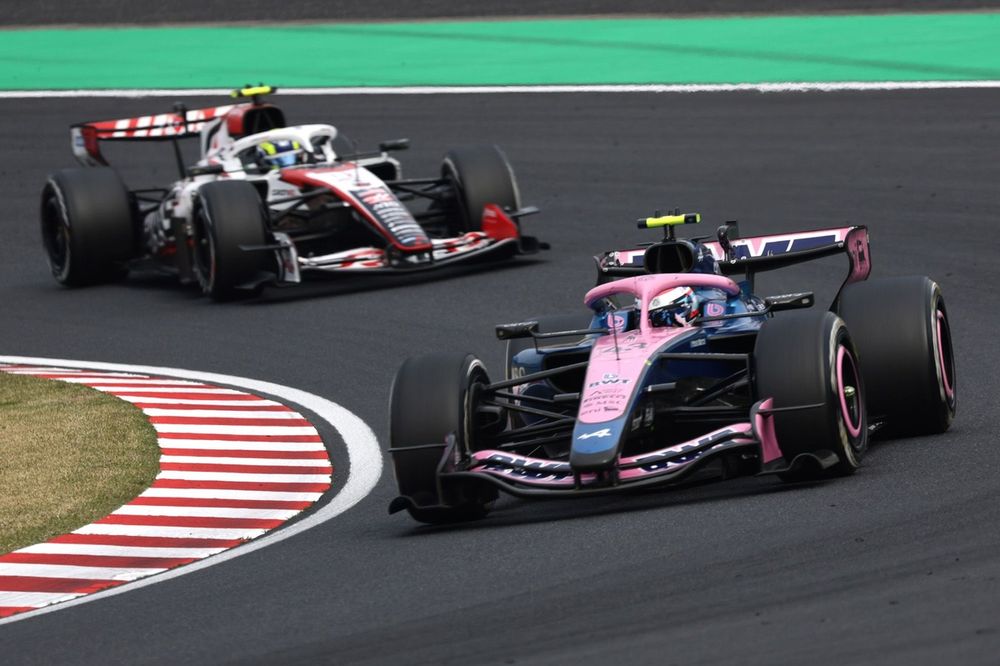
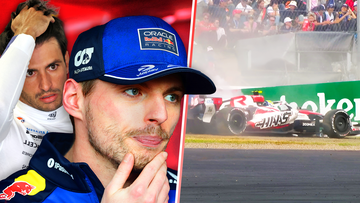
The FIA has formally acknowledged that a high closing speed caused by the 2026 car's energy management systems led to Oliver Bearman's dramatic 50G crash at the Japanese Grand Prix, promising a structured review of the new technical regulations in April. The incident, where Bearman's Haas lost control avoiding a slower Alpine, has validated drivers' long-standing warnings about the dangerous speed differentials created by the new power unit rules.
Why it matters:
This crash represents the first major real-world safety test of F1's 2026 regulations, moving concerns from theoretical simulations to tangible track danger. It forces the sport's governing body and teams to confront a critical trade-off: balancing the pursuit of advanced, energy-efficient racing with fundamental driver safety, as a minor energy state mismatch can instantly create a hazardous, race-ending scenario.
The details:
- The crash occurred on Lap 21 when Bearman, trailing Franco Colapinto's Alpine, faced a sudden 45 km/h closing speed as he approached Spoon corner.
- Colapinto's car was not harvesting energy at that moment, meaning its rear-wing warning lights were inactive, leaving Bearman with little indication of the severe speed difference until it was too late for avoidance.
- Drivers, led by GPDA director Carlos Sainz, have warned about this specific risk since pre-season testing, citing unpredictable energy deployment and recovery phases.
- Sainz stated the crash was "only a matter of time" and expressed dissatisfaction with the current situation, calling for a safer solution.
- In its response, the FIA confirmed the regulations contain "adjustable parameters" designed for post-implementation optimization based on real-world data, which the planned April review will now assess.
What's next:
The FIA has scheduled a series of stakeholder meetings in April to analyze data from the season's opening races and determine if refinements to the energy management rules are necessary.
- Any potential adjustments will require careful simulation and analysis, meaning immediate changes are unlikely.
- The incident ensures that driver safety, particularly regarding predictable closing speeds, will be a paramount concern in these discussions as F1 navigates its new technological era.
- The outcome of this review could lead to tweaks in how and when the electrical energy boost can be deployed, aiming to reduce the risk of similar accidents.
Original Article :https://f1i.com/news/562137-fia-responds-to-bearmans-50g-crash-at-suzuka-promise...