



Ferrari's 'Upside-Down' Rear Wing: A Daring Chinese GP Experiment
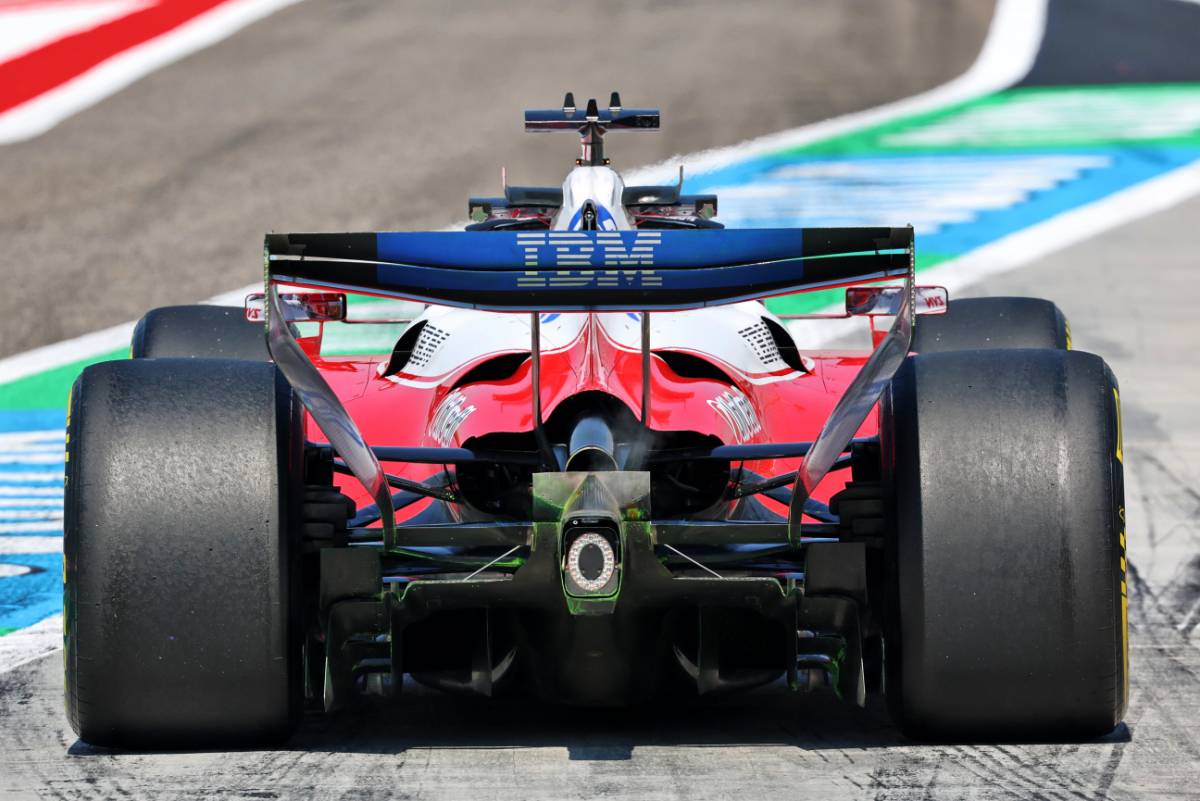
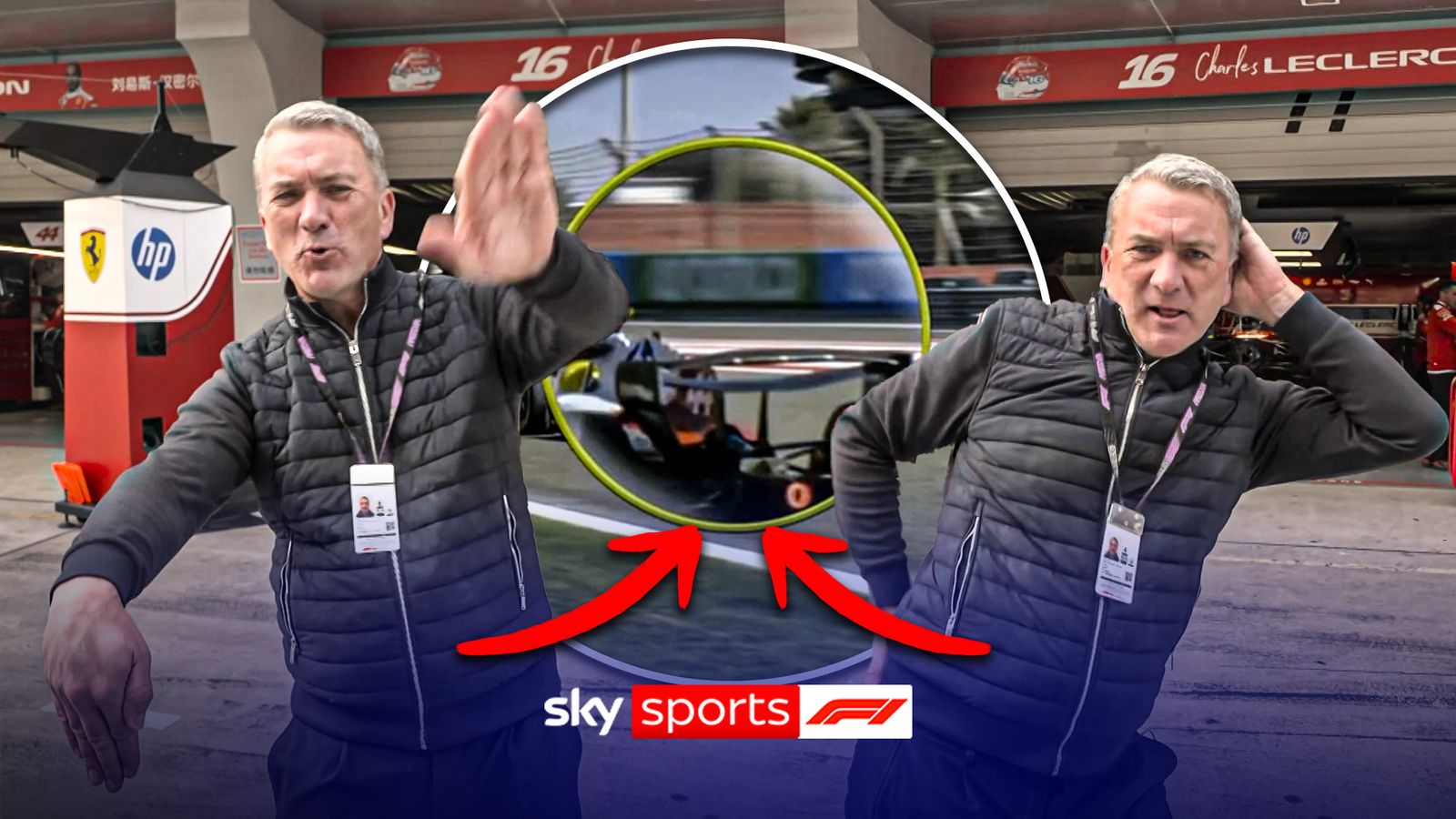
Ferrari tested a radical, inverted rear wing design during practice for the Chinese Grand Prix, using its unique aerodynamic profile to potentially gain a straight-line speed advantage. Sky Sports F1's Craig Slater famously used a 'Macarena' dance move to visually explain how the wing's upper flap elements move independently, a key feature of its design aimed at reducing drag on Shanghai's long back straight.
Why it matters:
In the relentless development war of Formula 1, even minor aerodynamic innovations can translate to crucial lap time gains. Ferrari's willingness to trial such a visibly different concept at a sprint weekend—where practice time is severely limited—signals an aggressive push to find performance and understand a new development direction. This experiment provides a real-world test of a concept that could influence future high-speed circuit packages.
The Details:
- The design, spotted on Carlos Sainz's SF-24, features a main plane mounted unusually high, with the adjustable upper flaps positioned below it—inverting the typical layout.
- The primary suspected benefit is a 'DRS-plus' effect. When the DRS (Drag Reduction System) is activated, the lower flaps open to create a larger gap, potentially shedding more drag than a conventional wing for greater top speed.
- Slater's 'Macarena' demonstration highlighted the independent movement of the two upper elements, crucial for fine-tuning downforce levels when DRS is closed.
- The trade-off for this straight-line focus is likely a reduction in peak downforce through slower corners, making it a circuit-specific solution.
- The team gathered comparative data by running the radical wing on Sainz's car while Charles Leclerc used a more conventional specification.
What's next:
The Chinese GP weekend served as a high-pressure test bed for the concept.
- Ferrari's engineers will analyze the data to determine if the straight-line gain outweighs the potential cornering losses on Shanghai's layout.
- Its future depends on this cost-benefit analysis; if successful, the design philosophy could be refined and appear at other circuits featuring long straights, like Monza or Baku.
- Such a public test also puts rival teams on notice, prompting them to investigate similar concepts within the confines of the current financial and technical regulations.
Original Article :https://www.skysports.com/f1/video/12433/13518544/chinese-gp-could-ferraris-new-...