






Ferrari's Radical Rear-Wing Innovation Explained
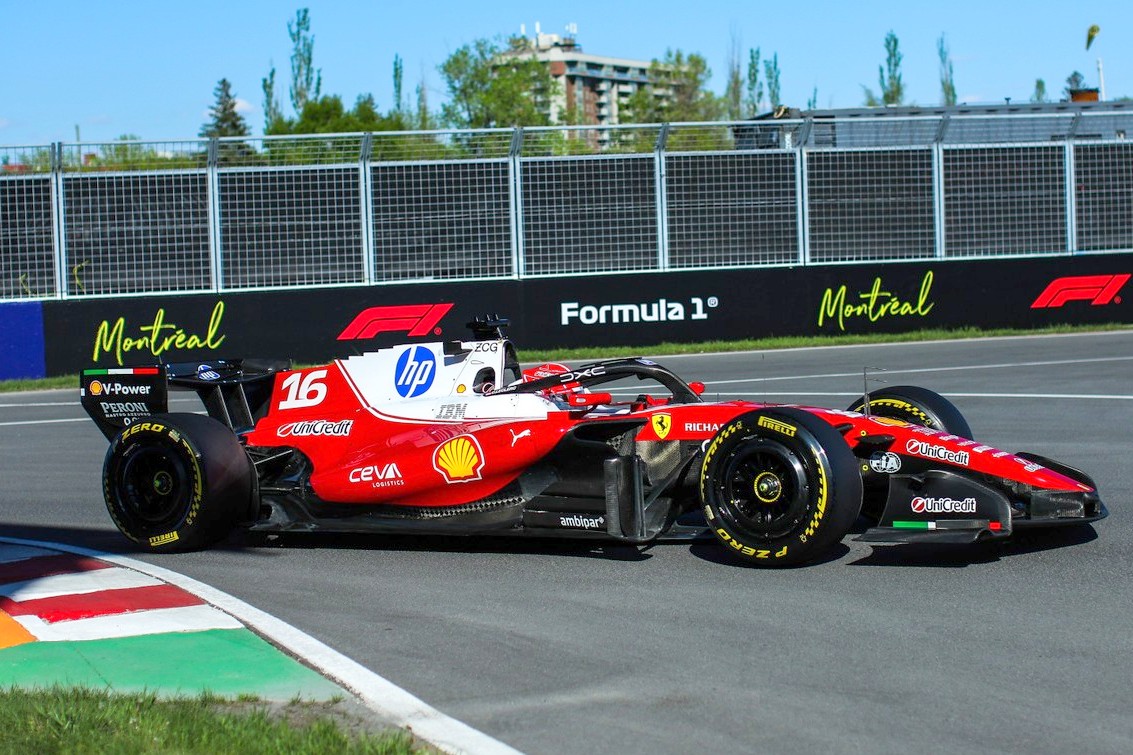
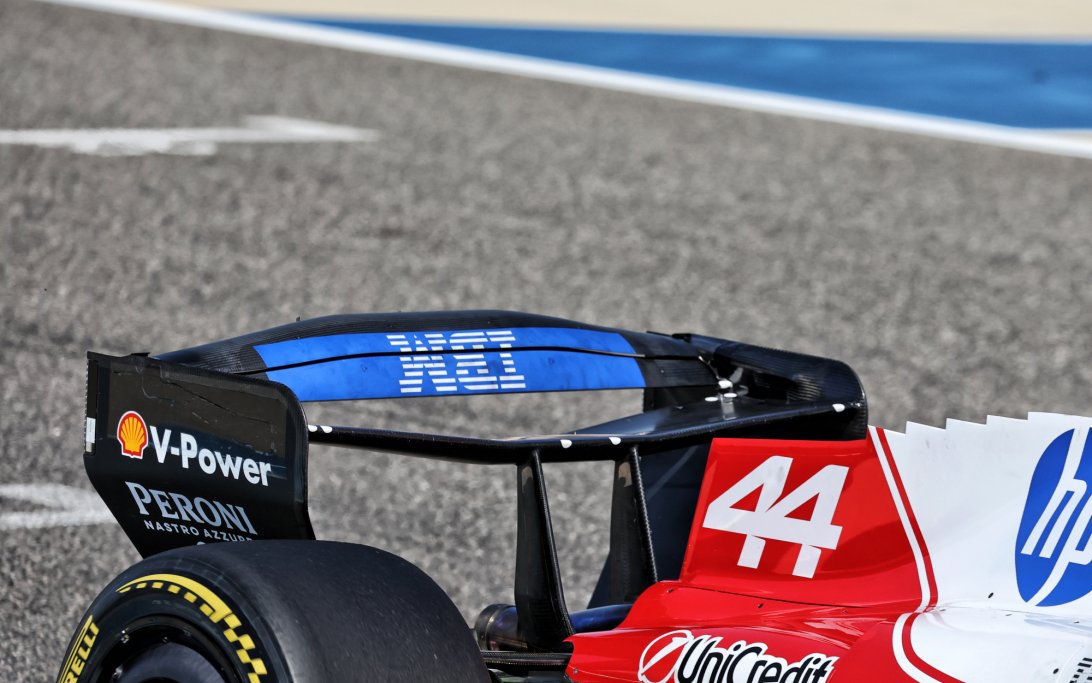
Ferrari has captured the Formula 1 paddock's attention with a radical new rear-wing design spotted during pre-season testing in Bahrain. The system features a flap that rotates a full 180 degrees on the straights, functioning more like an aircraft wing to create a drastic reduction in aerodynamic drag. This innovative interpretation of the regulations could provide a significant energy-saving advantage on the calendar's fastest circuits.
Why it matters:
In the ultra-competitive world of F1, marginal aerodynamic gains are fiercely pursued. Ferrari's solution represents a novel approach to a long-standing challenge: reducing drag on straights without compromising downforce in corners. If effective and reliable, it could shift the team's performance profile at high-speed tracks, impacting energy management and overall race strategy.
The details:
- The core innovation is a 180-degree clockwise rotation of the rear-wing flap when DRS is activated, placing it in a position opposite to its normal racing configuration.
- This creates a much larger gap between the wing's main plane and the flap than a standard 90-degree opening, leading to a more significant drag reduction.
- Aerodynamic Lift Effect: In its rotated state, the flap mimics an aircraft wing profile, generating slight lift. This imperceptibly raises the car's rear, increasing the diffuser's expansion section.
- Inducing Diffuser Stall: The raised angle increases the diffuser's 'angle of attack,' causing the airflow underneath to separate or 'stall.' This dumps drag generated by the diffuser itself, compounding the overall drag reduction.
- The primary benefit is not just top speed but reduced energy required to propel the car at a given speed, which is crucial for managing electrical energy deployment and lift-and-coast phases.
What's next:
The true competitive value of this system will only be revealed under race conditions.
- Its advantage will vary by circuit, with fast tracks like Monza, Spa, Jeddah, and Las Vegas likely offering the greatest potential payoff in energy savings.
- A key question is whether rivals can quickly develop a similar concept or if the FIA will scrutinize its legality, though initial reports suggest it's a clever but legal reading of the rules.
- For Ferrari, it signals a bold and innovative engineering direction as they seek every possible advantage to challenge at the front of the grid in 2024.
Original Article :https://racingnews365.com/ferrari-bizarre-new-rear-wing-explained