






Ferrari's Challenge, Sprint Debut, and Power Unit Tests: Key Stories for the 2026 Chinese GP
Mercedes enters the second round of the 2026 Formula 1 season as the clear benchmark, but Ferrari's race pace in Melbourne suggests a genuine title fight could be brewing. The Chinese Grand Prix, featuring the season's first sprint race, will serve as a critical early test for the new technical regulations, team strategies, and driver performances under intense pressure.
Why it matters:
The 2026 season is defined by a revolutionary shift to 50% electric power units, making energy management a dominant factor. How teams adapt to this challenge on Shanghai's unique layout, combined with the added jeopardy of a sprint format with minimal practice, will provide crucial data on the competitive order. This weekend could either solidify Mercedes' early advantage or reveal the first cracks for rivals to exploit.
The Details:
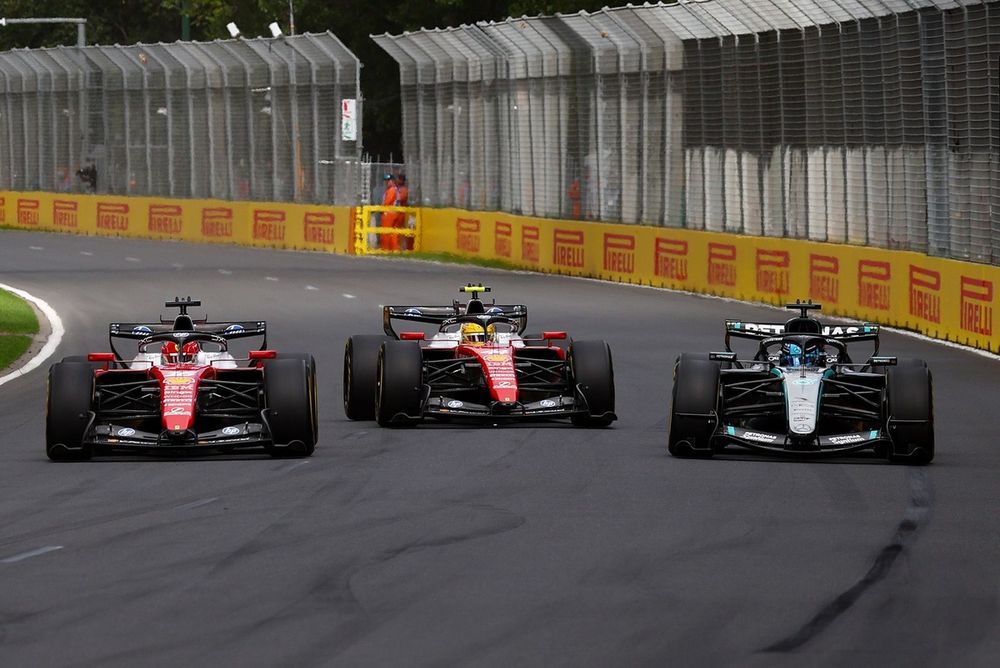
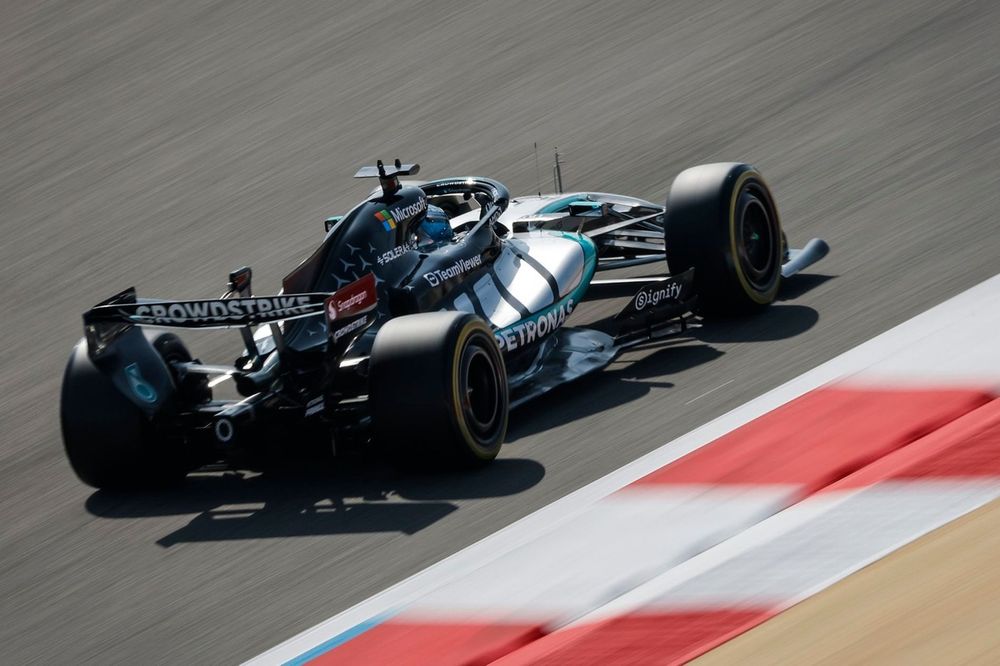
- Ferrari's Promise vs. Mercedes' Pace: While George Russell led a Mercedes 1-2 in Australia, Ferrari boss Fred Vasseur believes his team's race performance—where Charles Leclerc battled for the lead—is more indicative of their true speed. Mercedes' Toto Wolff acknowledged "we have a fight on our hands with Ferrari," setting the stage for a closer contest if Ferrari optimizes its qualifying execution.
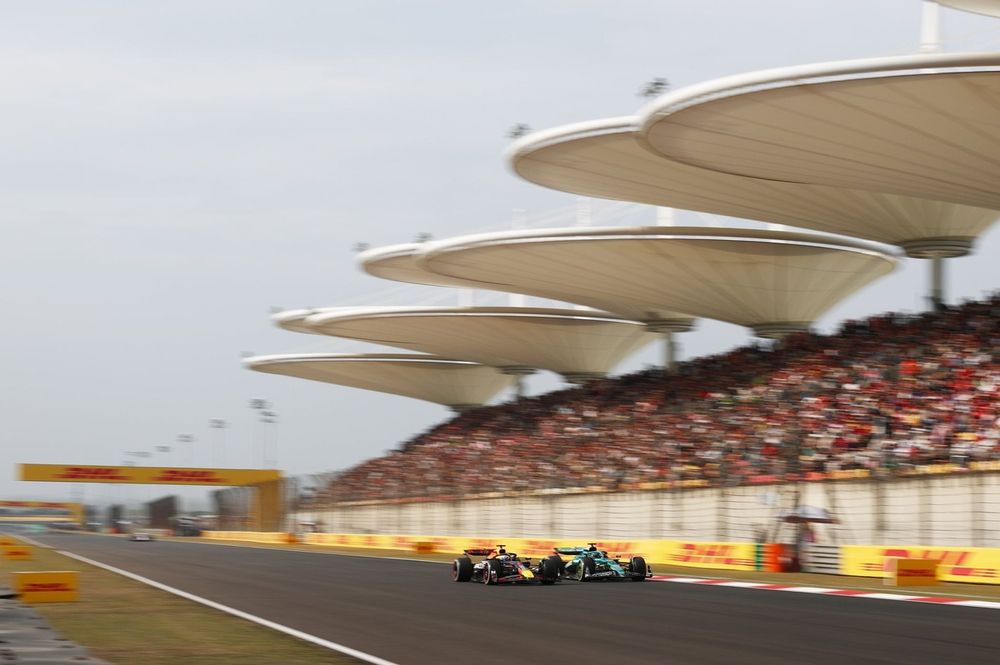
- The 2026 Power Unit Litmus Test: Shanghai's 1.7-kilometer back straight will be the ultimate test for the new hybrid power units. In Melbourne, drivers ran out of battery deployment early on long straights, causing them to lift and coast. How teams manage the harvest and discharge cycle on this circuit, with fewer heavy braking zones, will be a key performance differentiator.
- Sprint Race Jeopardy in a New Era: With only one practice session before competitive running, the sprint format adds significant risk so early in a new regulatory cycle. Teams have little time to dial in their cars, potentially levelling the playing field. The shorter race distance doesn't simplify the complex energy management, which operates on a lap-by-lap basis, possibly leading to dramatic "yo-yoing" battles as drivers manage battery levels.
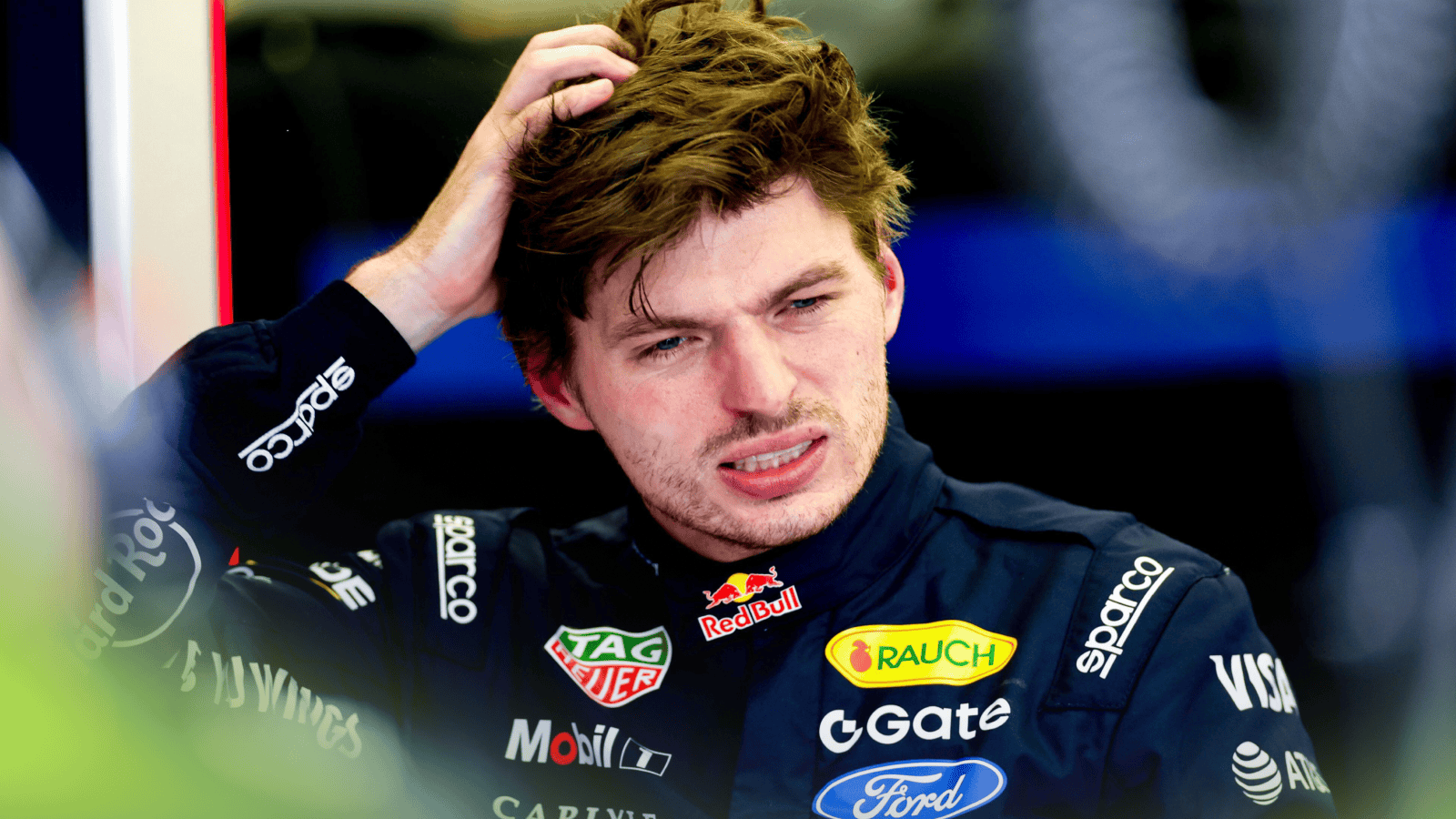
- Isack Hadjar's Red Bull Audition: The French rookie impressed on his Red Bull debut in Melbourne, qualifying third while teammate Max Verstappen crashed out. A power unit failure ended his race, but the team praised his "fantastic" weekend. The pressure is now on Hadjar to prove that performance was not a one-off and that he can consistently pick up points when needed.
- Aston Martin's True Troubles: After a double DNF in Australia, the team and engine supplier Honda confirmed the retirements were not power unit-related. Fernando Alonso suggested the team can take more strategic risks in China. The weekend will be a clearer indicator of whether Aston Martin's deeper issues lie with its chassis, which started its wind tunnel program late, or elsewhere in the package.
What's Next:
The Chinese Grand Prix will answer several pivotal questions for the 2026 season. Can Ferrari translate its promising race pace into a qualifying and victory challenge to Mercedes? How will the complex energy management play out on Shanghai's long straight? Will the sprint format create unexpected winners or losers in this immature regulatory phase? The answers will begin to shape the narrative of the championship fight.
Original Article :https://www.motorsport.com/f1/news/five-things-to-look-out-for-at-f1s-chinese-gp...