



Buxton: Ferrari's Australian GP strategy 'robbed us' of a better race
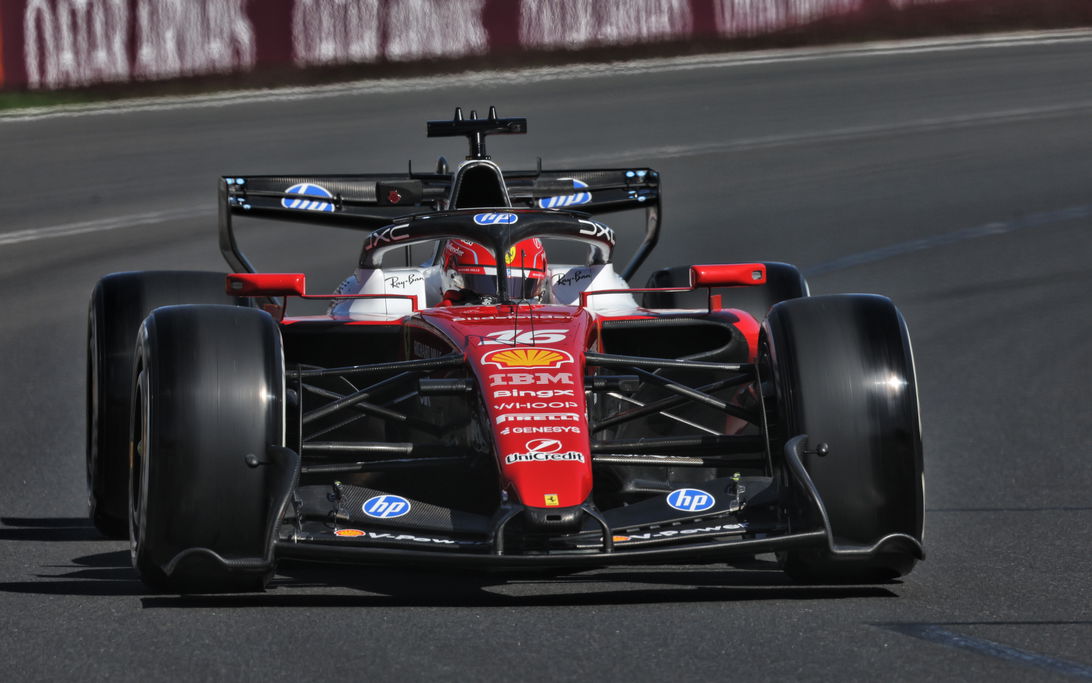
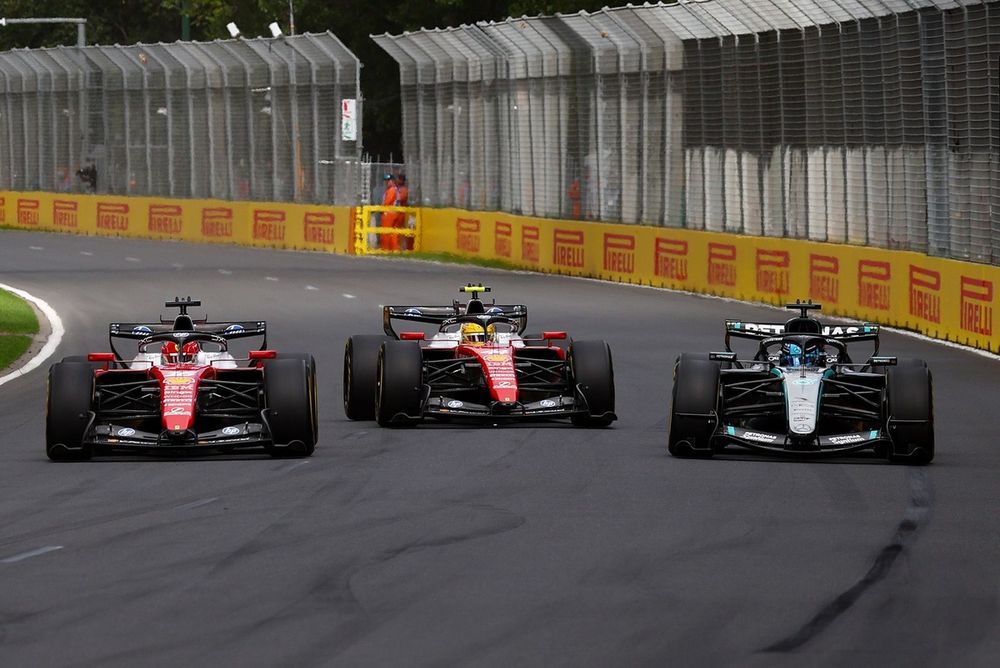
F1 pundit Will Buxton has criticized Ferrari's strategic calls at the Australian Grand Prix, suggesting the team's decision not to pit either car under an early Virtual Safety Car "robbed us potentially of a really good race" against Mercedes. The choice to prioritize track position backfired as Mercedes' Lewis Hamilton, who did pit, closed in on the leading Ferraris in the final stint, exposing a critical strategic miscalculation.
Why it matters:
Ferrari's strategic rigidity in Melbourne highlights an ongoing vulnerability for a team with championship aspirations. In a season where margins are incredibly tight, optimal in-race decision-making is as crucial as car performance. This incident puts renewed scrutiny on the team's operational processes under Team Principal Fred Vasseur and raises questions about their ability to adapt dynamically during a race, a key area where they have been historically challenged.
The details:
- The pivotal moment came on Lap 12 when a retirement triggered a Virtual Safety Car (VSC). While most of the field, including Mercedes' Lewis Hamilton, pitted for a cheap stop, Ferrari left both Charles Leclerc and Carlos Sainz out on track.
- The team repeated this decision when a second VSC was deployed just a few laps later, doubling down on their initial call.
- Buxton, along with Hamilton who questioned the strategy over team radio at the time, argued Ferrari should have at least split strategies by pitting one car to cover both bases.
- The core of Ferrari's gamble was a belief that the hard-compound tires would not last the distance if Mercedes stopped early, forcing them into a two-stop race. This would have made Ferrari's track position advantageous.
- The Miscalculation: The tires held up much better than anticipated. This allowed Hamilton, on his fresher tires from the early stop, to chase down and pressure the leading Ferraris in the final phase, negating Ferrari's track position advantage and revealing the strategic error.
What's next:
The fallout from Melbourne will be a significant test for Vasseur's leadership and the team's culture. While Vasseur has publicly defended the call, internal reviews are inevitable.
- Expect intense focus on Ferrari's strategic communication and decision-making tree at the upcoming Japanese Grand Prix, a notoriously complex circuit for strategy.
- The team must demonstrate an ability to learn quickly and adapt its in-race processes. Failure to do so could see valuable points and potential victories slip away, undermining their strong start to the season on pure car pace.
Original Article :https://www.motorsport.com/f1/news/ferrari-questioned-after-australian-gp-strate...