


F1 stewards take no action after three FP1 incidents at Japanese GP
Formula 1 stewards investigated three separate on-track incidents involving six drivers during first practice at the Japanese Grand Prix, but all cases resulted in no further action. The investigations centered on encounters between Lewis Hamilton and Max Verstappen, Alex Albon and Sergio Perez, and Carlos Sainz and Liam Lawson, with stewards citing a lack of clear fault or dangerous driving in each instance.
Why it matters:
Steward decisions in practice sessions set a precedent for the race weekend, influencing how drivers approach on-track conduct and defending. The 'no further action' rulings, particularly in the high-profile Hamilton-Verstappen case, emphasize the importance of driver testimony and context in determining penalties, reinforcing a trend of leniency when no clear impediment or danger is established.
The details:
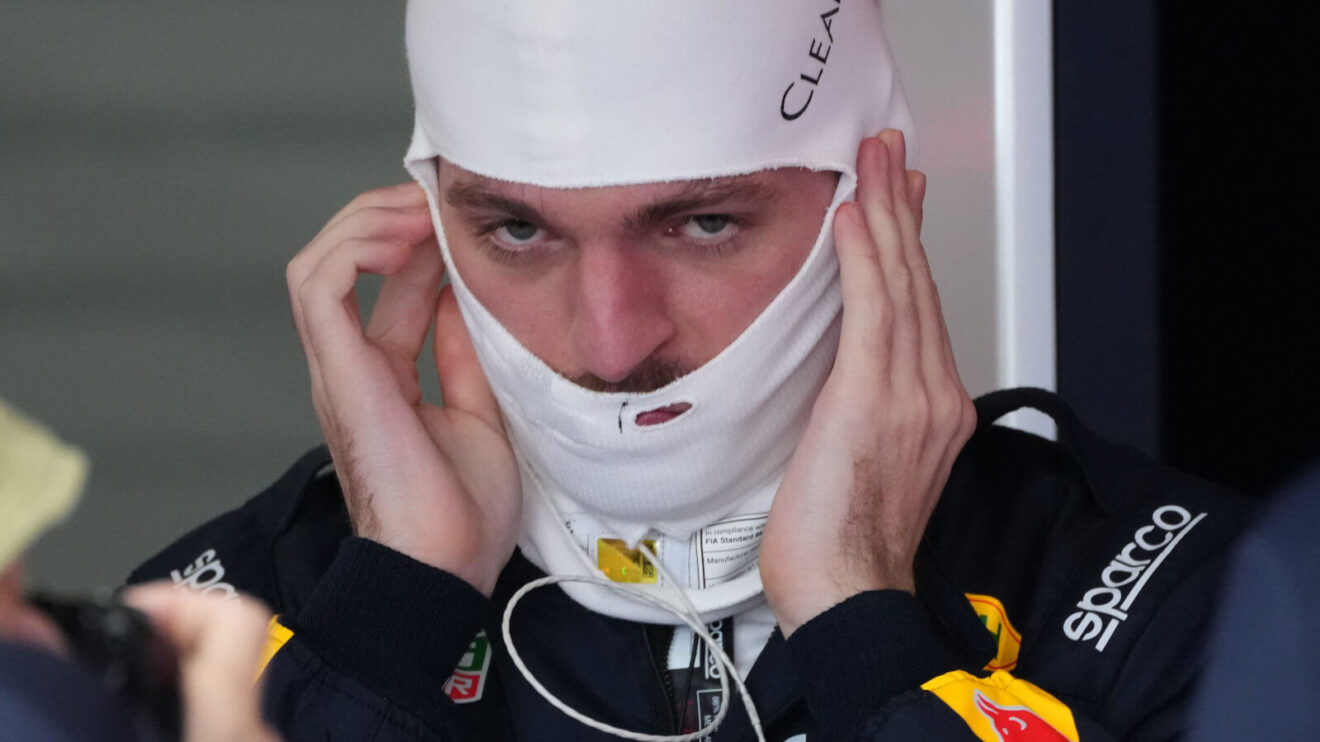
- Hamilton vs. Verstappen: The Mercedes driver was investigated for allegedly driving erratically after swerving late before the 130R corner while Verstappen was on a hot lap. Stewards ruled no penalty because Hamilton received no warning of Verstappen's approach, stayed predominantly to the right, and Verstappen passed without lifting off the throttle. Verstappen himself told stewards he did not consider the situation dangerous.
- Albon vs. Perez: The Williams driver attempted a late lunge on Perez's Cadillac at the chicane, resulting in contact that spun Albon and forced Perez off track. The incident was attributed to a misunderstanding: Perez's virtual mirror was not working, his team did not warn him of Albon's rapid approach, and Albon believed Perez was letting him pass. Both drivers accepted neither was predominantly to blame.
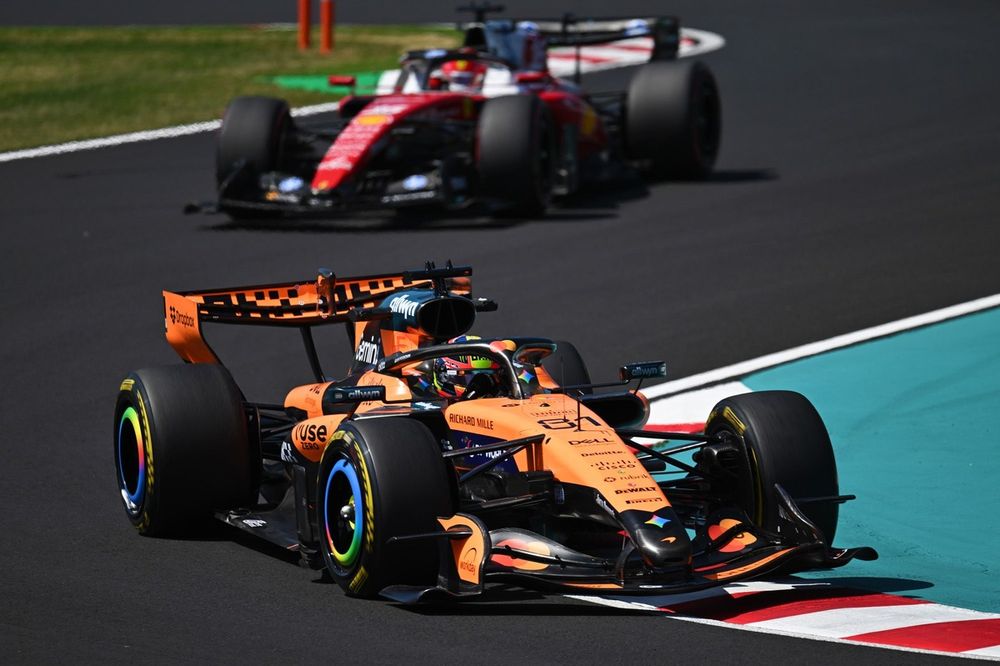
- Sainz vs. Lawson: Sainz was investigated for driving unnecessarily slowly in front of the Racing Bulls driver. The Ferrari driver explained he slowed dramatically after being told by his team that Jak Crawford (Aston Martin) was on a fast lap behind him, to avoid impeding Crawford. Team radio evidence supported this, contradicting initial speculation he was reacting angrily to a mistake.
What's next:
With the practice session investigations closed, the focus shifts fully to qualifying and race setup. These rulings provide clarity for the drivers, indicating stewards will consider mitigating circumstances like team communications and driver intent. The consistency shown—referencing a similar 'no further action' decision involving Lando Norris in China—suggests a continued application of this pragmatic approach for the remainder of the Suzuka weekend.
Original Article :https://www.motorsport.com/f1/news/max-verstappen-lewis-hamilton-f1-japanese-gp-...