

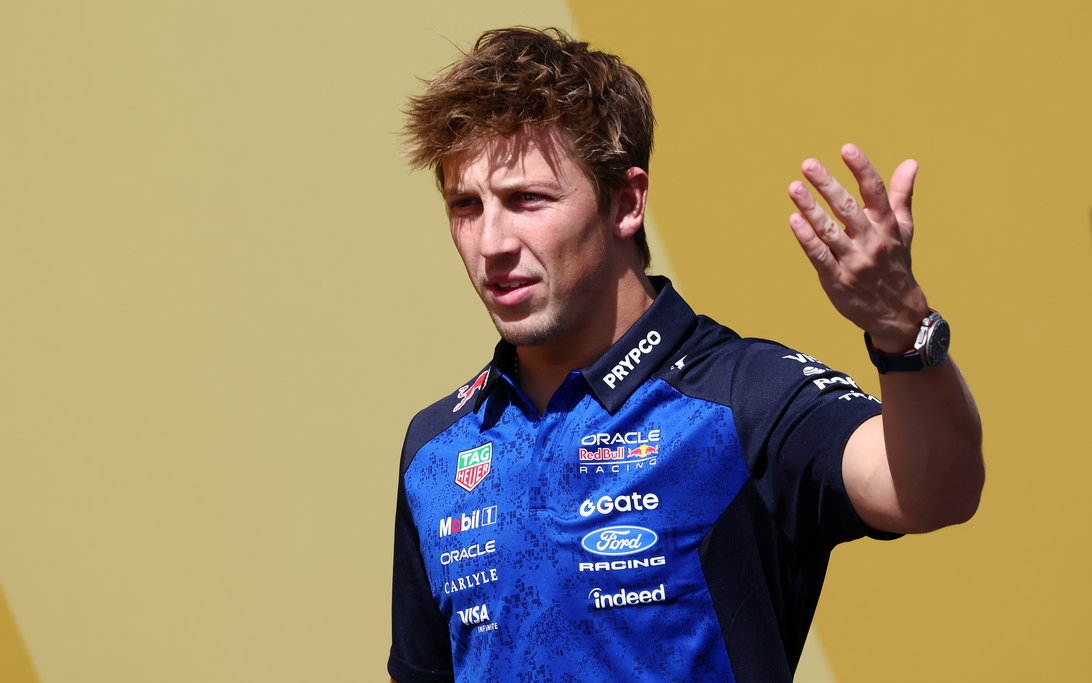




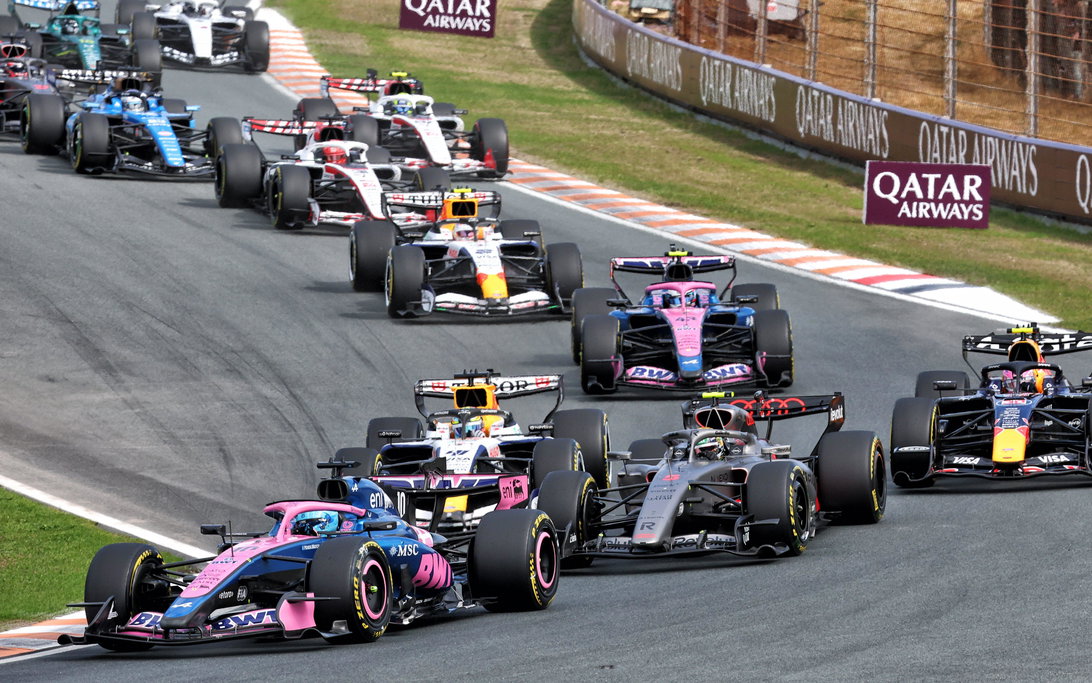
.webp)
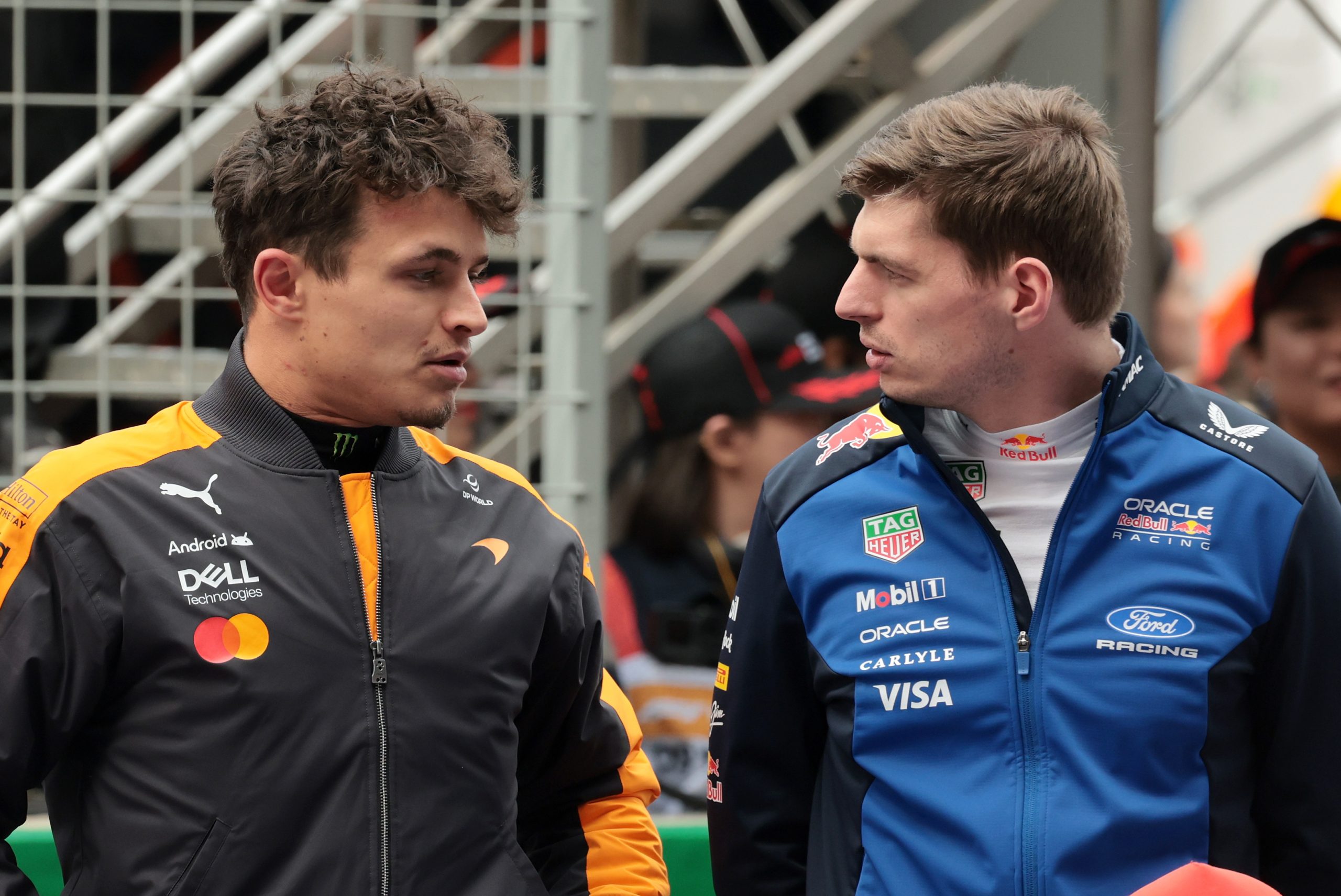
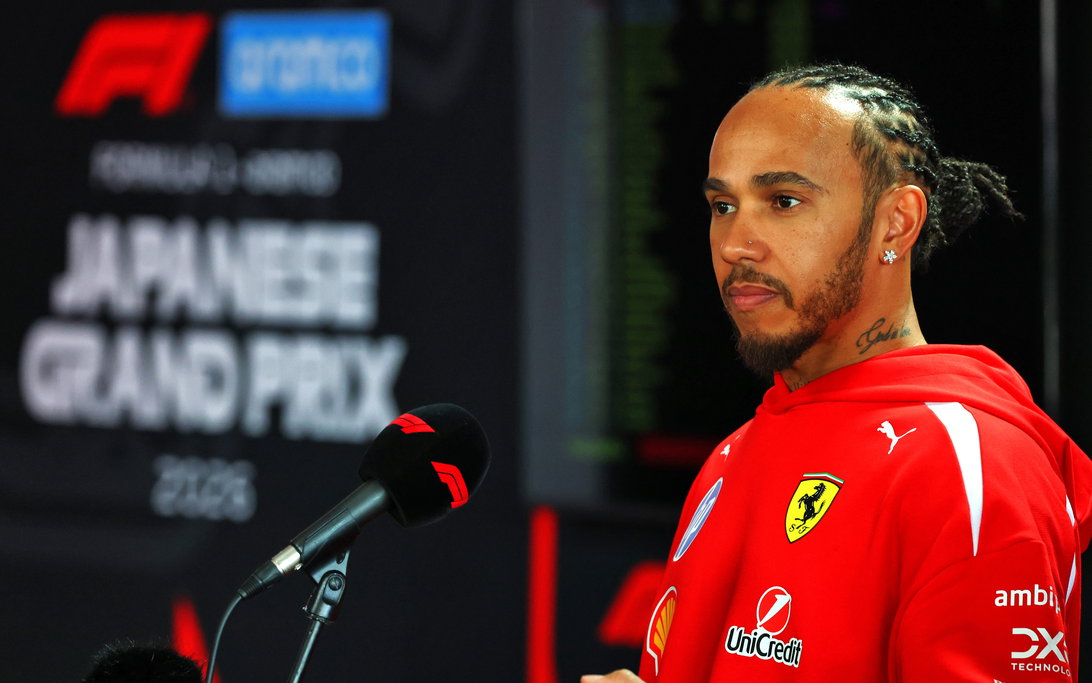
Hamilton critica 'super-clipping' da F1 após vídeo de Verstappen mostrar grande perda de velocidade
Por que isso importa
O fenômeno ‘super-clipping’ — o carro ainda recolhe energia da bateria mesmo com o pedal a fundo, provocando perda de velocidade significativa — afeta diretamente o espetáculo da qualificação e da corrida. Ele desloca o foco competitivo para os algoritmos de gestão de energia, em detrimento da aplicação pura do acelerador pelo piloto, podendo diminuir a habilidade bruta exibida em uma única volta. Para os pilotos, cria uma experiência frustrante e ‘pouco agradável’, chegando aos cantos sem potência.
Os detalhes
- Filmagem de Verstappen: Durante a sessão livre 1, o vídeo a bordo mostrou Verstappen da Red Bull atingindo 320 km/h na aproximação da curva 130R, apenas para perder cerca de 50 km/h na curva e na reta seguinte devido ao super-clipping, demonstrando visualmente o efeito dramático do sistema.
- Reclamação direta de Hamilton: O piloto da Mercedes foi franco: “Não é nada bom quando tem super-clipping. Você chega em alguns lugares e fica meio que à deriva porque não tem potência.”
- Desvantagem de desempenho: Hamilton apontou que a implantação de energia é uma fraqueza específica para o Mercedes, registrando perda de quatro décimos de segundo na reta até a curva 1 frente à McLaren, agravando as dificuldades de ajuste.
- Reação regulatória: A FIA reduziu a energia utilizável por volta na qualificação de 9MJ para 8MJ no fim de semana de Suzuka, tentando mitigar o problema e dar mais ênfase à habilidade do piloto sobre a gestão do sistema.
O que vem a seguir
Hamilton e a Mercedes vão focar em trabalhos de ajuste durante a noite para encontrar mais performance e otimizar a implantação de energia, que ele acredita ser a chave para liberar o potencial do carro. A discussão mais ampla sobre o super-clipping e seu impacto no esporte provavelmente não desaparecerá, servindo como ponto crítico de feedback enquanto a F1 continua a evoluir as regras das unidades híbridas. O caso serve como estudo ao vivo para o debate contínuo sobre o equilíbrio entre complexidade tecnológica e pureza esportiva antes da próxima grande mudança regulatória em 2026.
Artigo original :https://racingnews365.com/lewis-hamilton-issues-frank-verdict-as-alarming-max-ve...