



McLaren's Friday Promise vs. Mercedes' Enduring Edge at Suzuka
McLaren topped the Friday practice timesheets at the Japanese Grand Prix, but a deeper look at the data reveals Mercedes still holds a clear overall advantage. While Oscar Piastri's headline-grabbing lap flattered McLaren's single-lap potential, the team's long-run performance, though closer than it first appeared, confirmed the reigning champions as the benchmark. The session highlighted a midfield in flux and set the stage for a critical qualifying battle where grid position could be decisive.
Why it matters:
Suzuka is a brutal test of a car's aerodynamic efficiency and power unit performance, making it a key indicator of true competitive order. McLaren's apparent step forward, even if not yet enough to topple Mercedes, signals a tightening at the front and validates the team's development trajectory. For the chasing pack, the mixed fortunes across single-lap and race pace underscore the delicate setup and strategic compromises required for success.
The details:
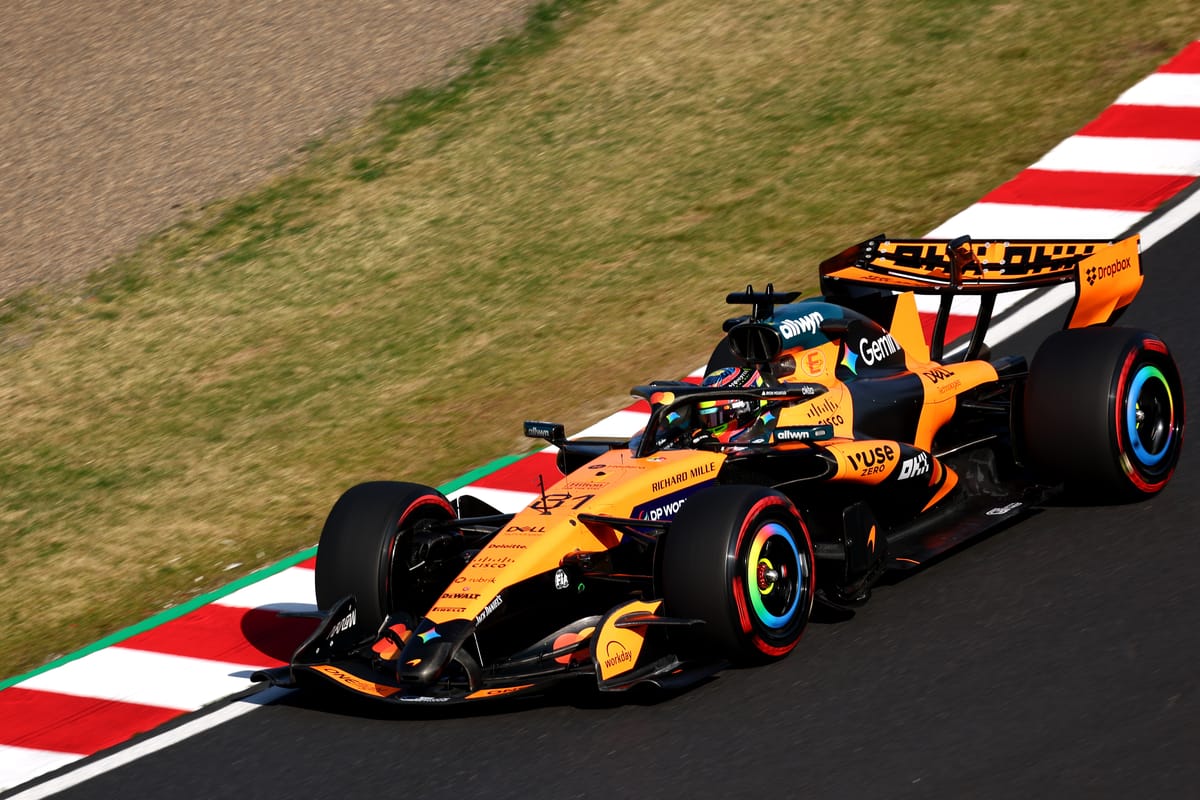
- Single-Lap Pace: Oscar Piastri set the fastest time (1m30.133s), but his margin over Mercedes' Kimi Antonelli was a mere 0.092s. Analysis showed McLaren gained time with aggressive power deployment early in the lap, but lost it later, suggesting Mercedes' more optimized run plan could erase the gap in qualifying.
- Long-Run Reality: On high-fuel runs, Mercedes drivers Antonelli and George Russell were clearly fastest. Piastri's average was compromised by traffic, but even adjusting for that, McLaren remained behind—though closer than in previous races and potentially in the fight with Ferrari for second-best.
- Ferrari's Struggle: Charles Leclerc described the day as "tricky," with the team needing work on setup and deployment. Lewis Hamilton explicitly pointed to a four-tenths deficit to McLaren on the straight into Turn 1, highlighting deployment as a key area for improvement.
- Midfield Muddle: The battle behind the top three was incredibly tight and contradictory.
- Audi showed strong one-lap pace but fell back on long runs.
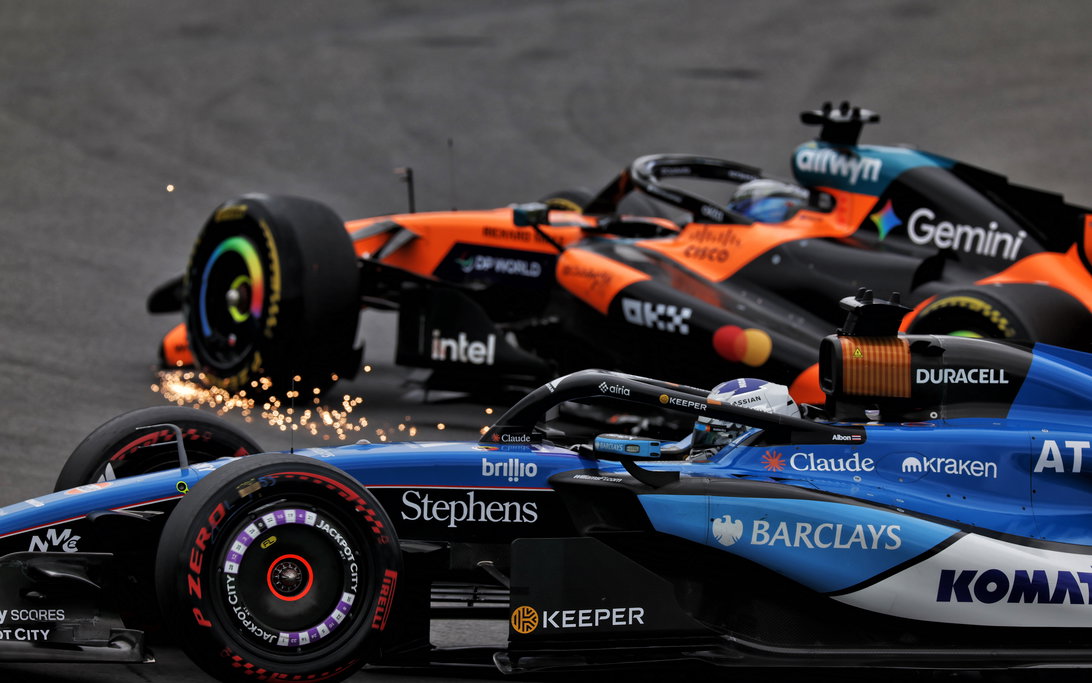
- Williams was quick over a single lap but slumped on high fuel.
- Alpine struggled with high-speed understeer on low fuel but looked more competitive in race trim, similar to its Melbourne pattern.
- Haas emerged as perhaps the most rounded midfield performer, decent in both conditions.
- Red Bull's Woes: Max Verstappen struggled for balance, calling the car's handling extreme and warning of "no quick fix," placing Red Bull firmly in the congested midfield scrap at this circuit.
What's next:
With tyre degradation appearing low and a one-stop race likely, Saturday's qualifying session becomes paramount. Overtaking at Suzuka is traditionally harder than at recent venues, making grid position critical. Teams will work overnight to refine their energy deployment strategies and car balance. While Mercedes remains the favorite, the small margins in single-lap pace mean the battle for the front rows—and the frantic scrap for Q3 spots in the midfield—will be intensely competitive.
Original Article :https://www.the-race.com/formula-1/how-close-mclaren-really-looks-to-mercedes-at...