






Ferrari benches innovative 'Macarena' rear wing in Japan, focuses on April development push
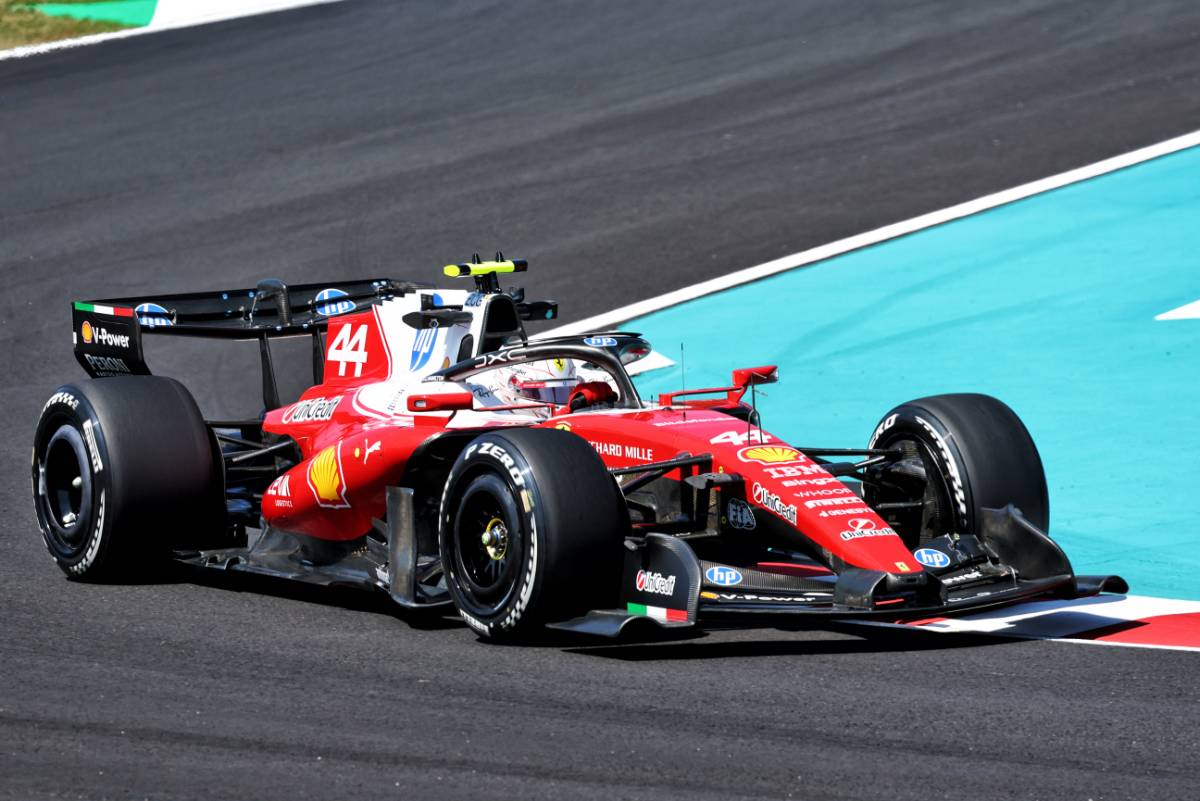
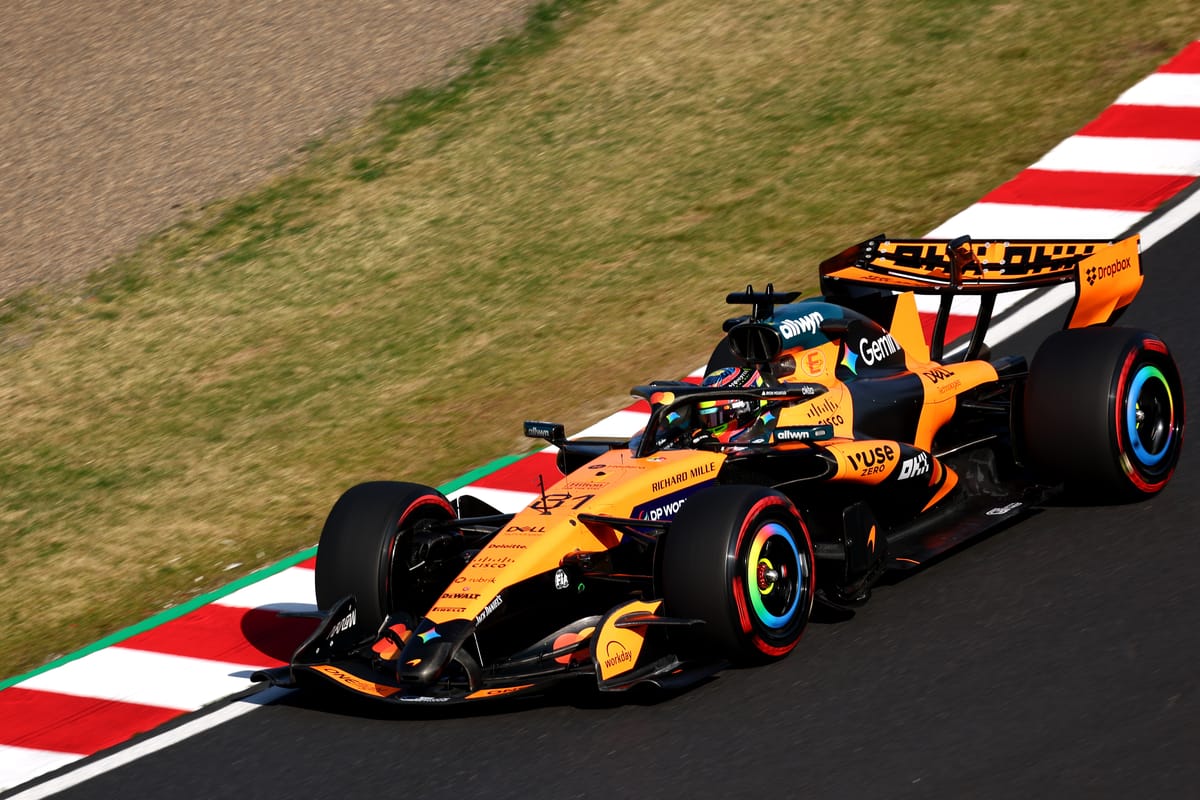
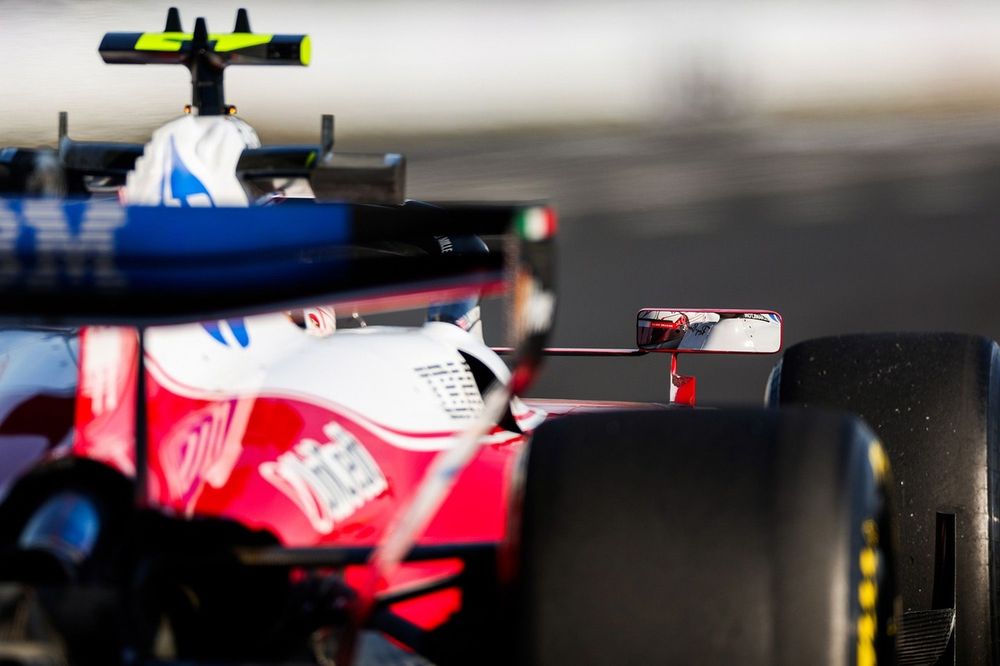
Ferrari has opted not to race its innovative rotating rear wing, nicknamed the 'Macarena,' at the Japanese Grand Prix, despite having the parts available. The team is sticking to a pre-season strategy of limiting early updates to flyaway races unless they offer a major performance gain, choosing instead to use the upcoming April break to fast-track more significant developments, including crucial weight reduction for the SF-26.
Why it matters:
This decision highlights the modern F1 reality where the budget cap, which now includes freight costs, forces teams to be surgical with upgrade introductions. Ferrari is strategically absorbing a potential performance deficit at a challenging circuit like Suzuka to prioritize a larger development package for the European season, a calculated gamble that could define their early championship momentum.
The details:
- The 'Macarena' wing, named by Team Principal Frederic Vasseur, is a rotating rear wing flap designed to improve straight-line speed.
- While it showed a performance increase on the straight, Ferrari identified a critical flaw: it caused greater instability than the conventional wing when the flap was closed, as its movement did not correlate well with the front wing's behavior during the transition from straight to corner.
- The team has enough spare parts in Japan to build two cars with the new wing but will continue refining it on the static bench in Maranello, requiring more reliability testing and revisions.
- Ferrari's practice focus in Suzuka shifted to improving the battery charging capacity of its power unit, an area where it currently lags behind Mercedes.
- The team also brought a new halo flap made from a different material for evaluation but did not prioritize it during Friday's running.
What's next:
Ferrari's major development push is slated for the April gap in the calendar, with the primary goal of shedding weight from the SF-26 before the Miami Grand Prix in early May, as the car is still above the minimum weight limit.
- The 'Macarena' wing project is not dead but remains a work in progress. Its future development may also be influenced by how rival innovations, like Mercedes' debated two-phase front wing, evolve.
- The team plans to stick with its current power unit concept but aims to use the internal combustion engine more aggressively while working on the energy recovery system's shortcomings.
Original Article :https://www.motorsport.com/f1/news/why-ferraris-macarena-f1-wing-didnt-dance-in-...