




F1 set to return to V8 engines by 2031
FIA President Mohammed Ben Sulayem has announced Formula 1 will revert to V8 power units by 2031 at the latest, with a potential introduction in 2030. This move aims to abandon the complex and problematic 2026 battery-heavy hybrid regulations in favor of simpler, lighter, and more vocal internal combustion engines with only "very, very minor electrification."
Why it matters:
This represents a dramatic and accelerated U-turn in F1's power unit philosophy, signaling that the sport's leadership views the upcoming 2026 regulations as fundamentally flawed. A shift back to a simpler, ICE-focused formula could lower costs, reduce car size and weight, and restore the visceral engine sound many fans have missed, fundamentally altering the technical and auditory character of the sport for the next decade.
The details:
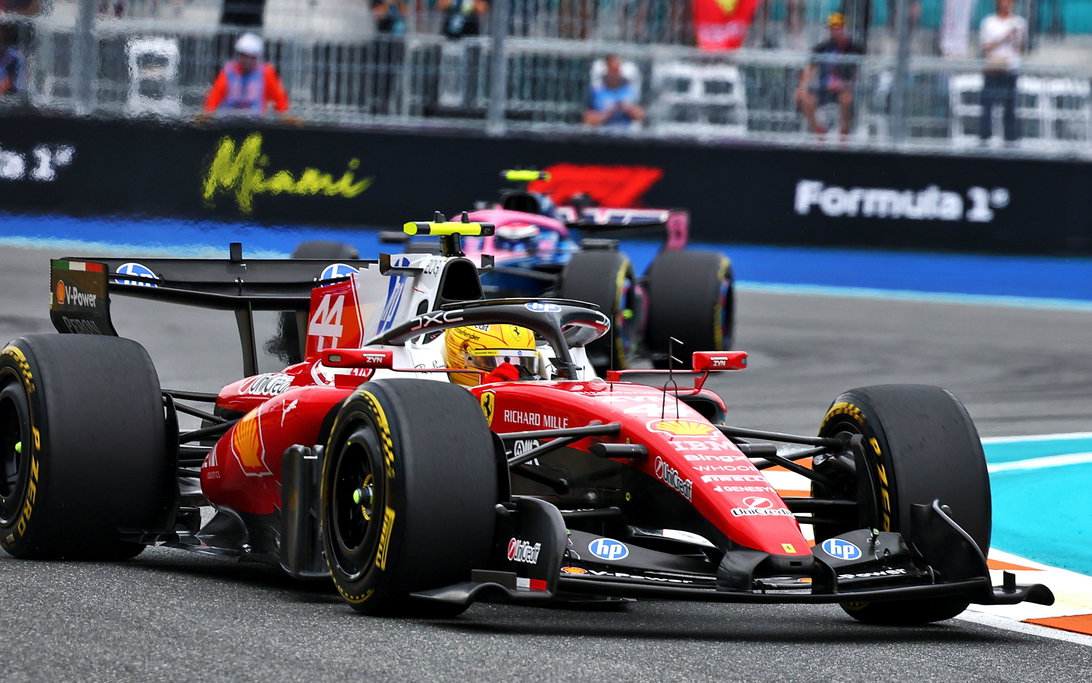
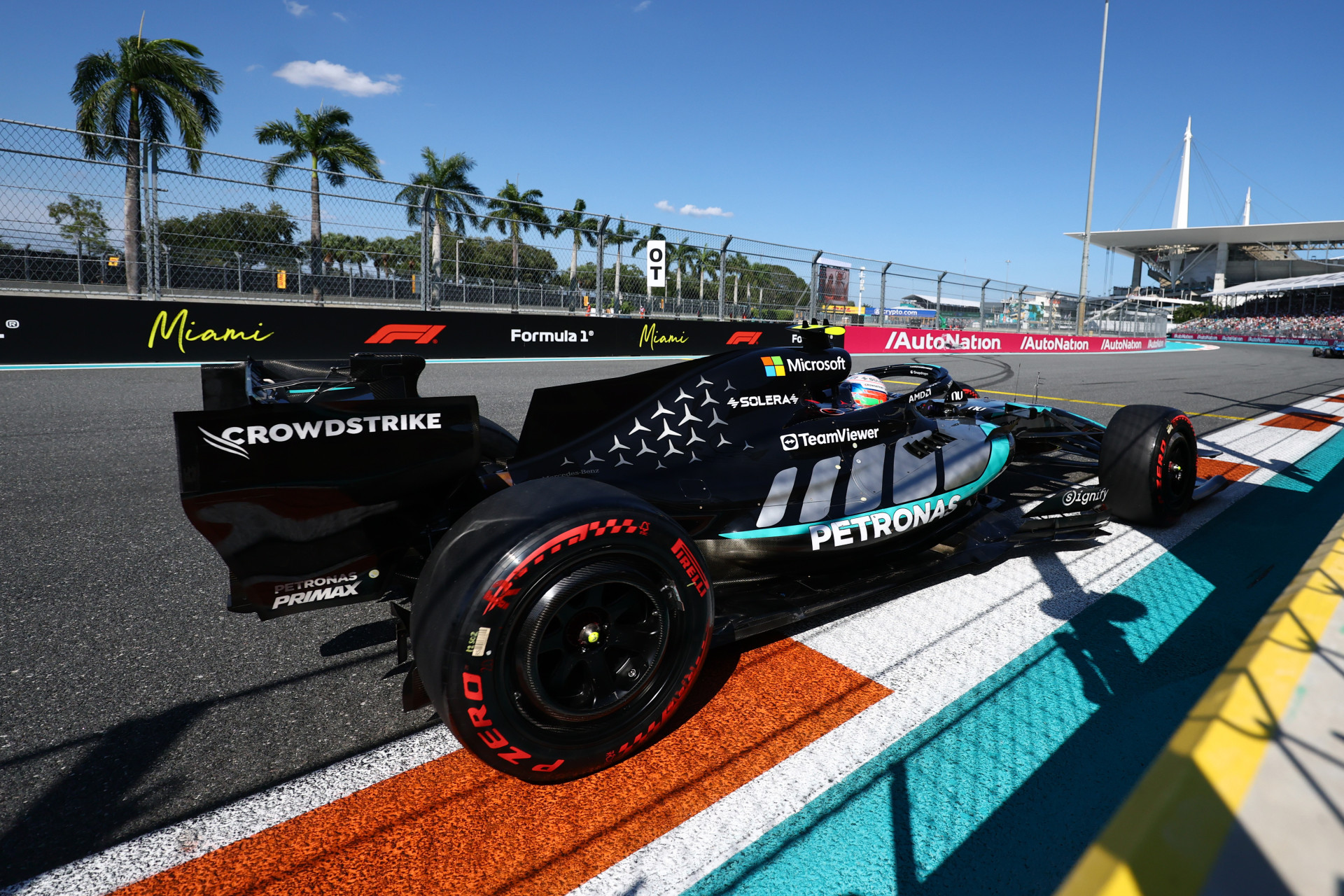
- The FIA president confirmed the plan during the Miami Grand Prix weekend, stating the governing body has the regulatory power to mandate V8s by 2031 without a vote from power unit manufacturers (PUMs).
- The goal is to introduce the new engines one year earlier, in 2030, but that requires manufacturer approval.
- The primary driver for the change is the widespread dissatisfaction with the 2026 rules, which mandate a 50/50 split between the turbo V6 internal combustion engine and battery power. These rules have faced criticism for creating energy management issues that hurt the racing spectacle and pose safety concerns.
- Ben Sulayem emphasized the benefits of the planned V8s: less complexity, reduced weight, and the return of a more traditional engine sound.
- This would mark a return to an architecture last used in F1 from 2006 to 2013, prior to the introduction of the current 1.6-litre V6 turbo-hybrid units.
What's next:
The immediate focus remains on managing the transition to the 2026 regulations, which are still slated to debut. However, Ben Sulayem's announcement casts a long shadow over those rules, effectively labeling them a stopgap solution.
- The FIA will now work to convince power unit manufacturers to agree to the accelerated 2030 timeline. Their cooperation is crucial for a smooth transition.
- If successful, this plan would trigger a new wave of technical regulations focused on reducing car dimensions and mass, as the large battery systems required for heavy hybridization could be significantly scaled back.
- This move aligns F1 with a broader potential industry trend of exploring sustainable synthetic fuels for internal combustion engines, rather than a full pivot to battery-electric technology.
Original Article :https://speedcafe.com/f1-news-2026-v8-engines-to-return-formula-1-fia-mohammed-b...