




Piastri: F1's 2026 rule tweaks 'not fixed' the core racing problems
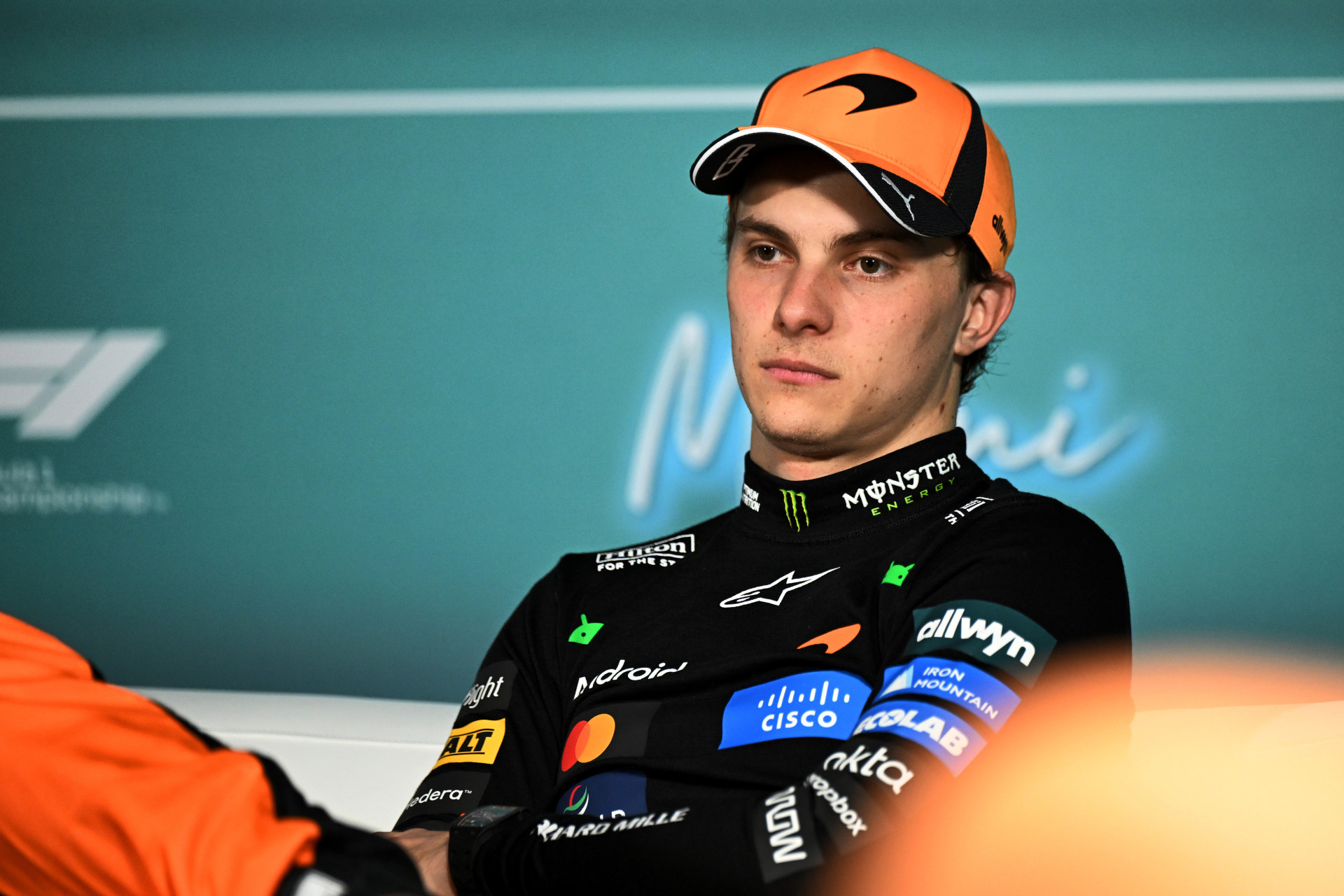
Oscar Piastri has delivered a harsh verdict on Formula 1's recent 2026 regulation tweaks, stating they have 'not fixed the problem' of artificial and unpredictable racing created by the new power units. While acknowledging minor improvements in qualifying, the McLaren driver joined a chorus of peers in highlighting that dangerous closing speeds and erratic performance swings remain a major issue during Grands Prix.
Why it matters:
The 2026 season's radical 50-50 combustion-to-electric power split was designed for sustainability but has inadvertently created a form of racing drivers and fans criticize as 'fake.' The recent mid-season adjustments were a rapid response to widespread concern, but the drivers' united feedback suggests the fundamental racing product is still compromised, posing safety and sporting integrity questions that the FIA and FOM must urgently address.
The details:
- Following the Japanese GP crash involving Oliver Bearman and Franco Colapinto, the FIA implemented changes before Miami aimed at reducing excessive performance differentials.
- Qualifying Change: The maximum permitted battery recharge was reduced from 8MJ to 7MJ to limit excessive harvesting and promote more consistent flat-out laps.
- Race Changes: Boost mode power was capped, and MGU-K deployment was limited in certain track zones to prevent sudden, massive closing speeds.
- Piastri confirmed the qualifying change helped 'a bit' but was unequivocal on the race: 'The races are basically exactly the same.'
- He described the in-race experience as 'pretty crazy,' citing an incident where George Russell went from one second behind to passing him on a single straight due to enormous closing speeds.
- Driver Consensus: Mercedes' Kimi Antonelli agreed, noting the 'massive' closing speeds require immense trust in the defending driver, especially with the 'lazy' active aero cars. Champion Lando Norris called the changes a 'small step' but argued the only real fix is to 'get rid of the battery' in future regulations.
What's next:
The revised regulations will get their next test at the Canadian Grand Prix in Montreal. However, driver sentiment indicates this is a stopgap, not a solution. Piastri noted collaboration from the FIA has been good, but 'there are only so many things you can change with the hardware we have.' The core issue appears baked into the 2026 power unit architecture, meaning significant, hardware-based changes may be years away, leaving the sport to manage a challenging and potentially dangerous racing dynamic in the interim.
Original Article :https://speedcafe.com/f1-news-2026-miami-grand-prix-oscar-piastri-on-formula-1-r...