




F1's 2026 Overtake Mode: How It Works and Why Rules Aren't Final
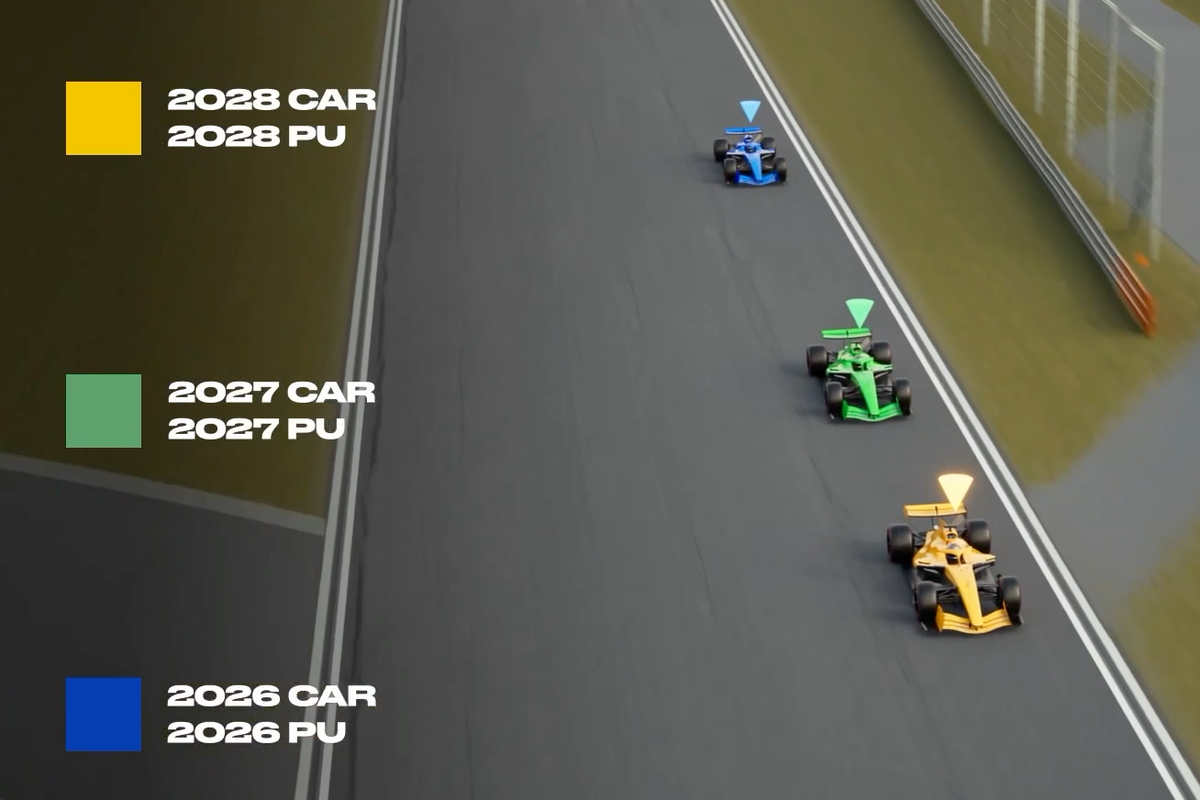
Formula 1 is set to replace the Drag Reduction System (DRS) in 2026 with a new 'overtake mode' designed to facilitate passing. This system will grant drivers within one second of the car ahead access to more energy and power, creating an advantage similar to DRS. However, the FIA is intentionally leaving key parameters open-ended, using them as 'levers' to adjust the racing spectacle based on real-world data from upcoming tests.
Why it matters:
The success of this new system is critical for the future of F1's on-track entertainment. The goal is to create more authentic and exciting wheel-to-wheel battles without making overtaking feel trivial or predetermined. The FIA's proactive approach, keeping rules flexible, shows a commitment to getting the racing right, even if it means navigating potential political pushback from teams and manufacturers with differing agendas.
The details:
- How it works: The overtake mode is a two-pronged attack for a chasing car within one second.
- More Energy: It allows the car to harvest an additional 0.5 megajoule (MJ) of energy per lap.
- More Power: It permits the deployment of that energy at a higher power level, especially at increased speeds.
- The Technical Shift: This is achieved by altering the ERS deployment curve, known as the 'rampdown rate'.
- Normally, power deployment gradually reduces to zero at 345 km/h.
- In overtake mode, the curve stays flat longer, allowing more power before sharply dropping to zero at a higher speed of 355 km/h.
- FIA's Adjustable Levers: The FIA has deliberately not finalized certain rules to maintain control over the racing product.
- Activation Zones: The exact length and placement of overtake mode zones are still being fine-tuned to find the right balance between difficulty and ease of passing.
- Circuit-Specific Parameters: The FIA can adjust the maximum power or recoverable energy on a track-by-track basis to prevent cars from running out of electrical power or having to lift mid-straight.
- Driver Energy Management: With energy deployment becoming more critical, driver strategy will be paramount. This could theoretically create larger speed deltas and overtaking opportunities in unusual places, though teams are expected to quickly converge on optimal strategies.
What's next:
The first collective test for the 2026 cars in Barcelona will be the critical benchmark for the FIA. Data from this session will be compared with simulations to determine if the 'levers' need to be pulled to make overtaking easier or harder. The governing body is prepared for political debates with power unit manufacturers, who may have conflicting interests, but remains focused on ensuring the overall health and competitiveness of the sport.
Original Article :https://www.motorsport.com/f1/news/why-an-important-part-of-f1s-2026-rules-is-st...