




F1 Proposals Agreed for Further Evolutionary Changes to 2026 Regulations
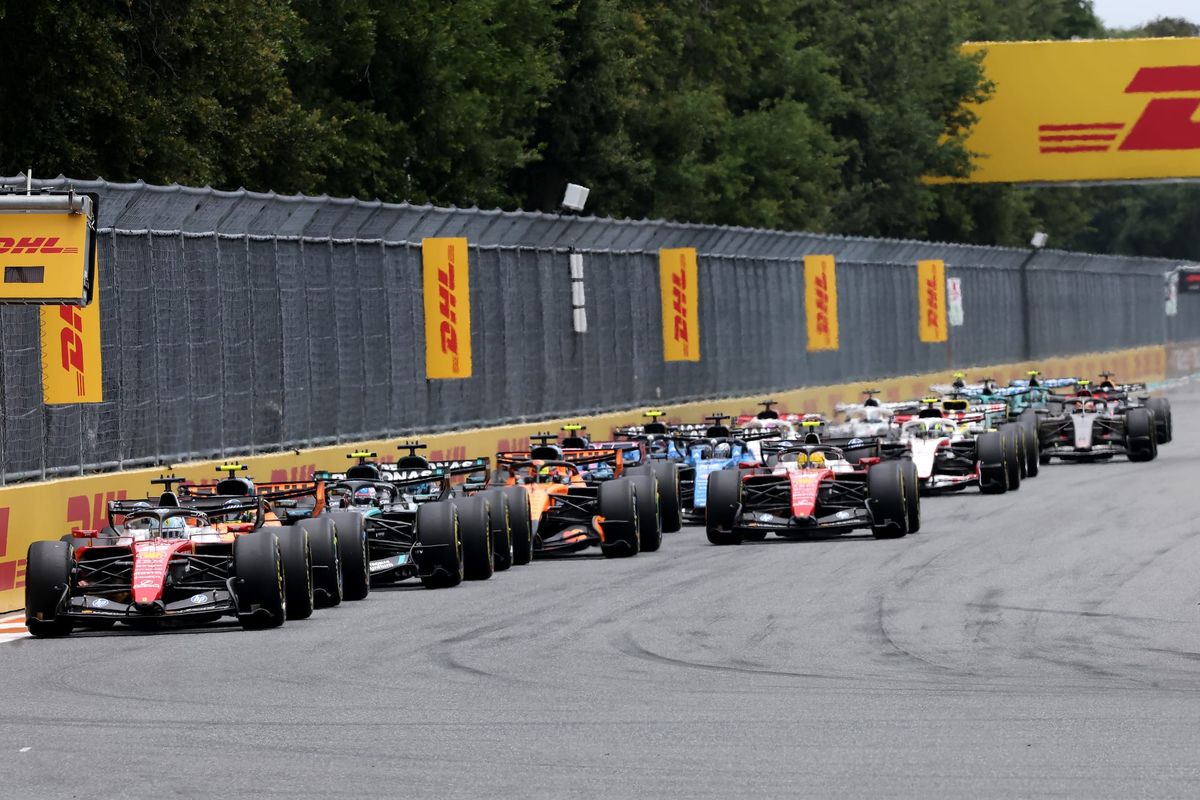
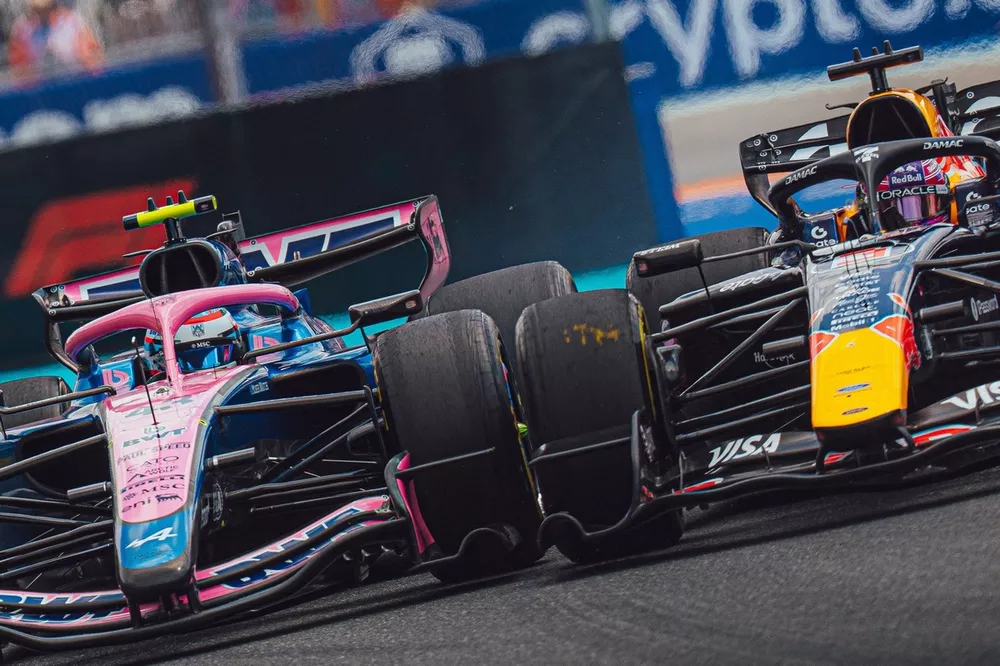
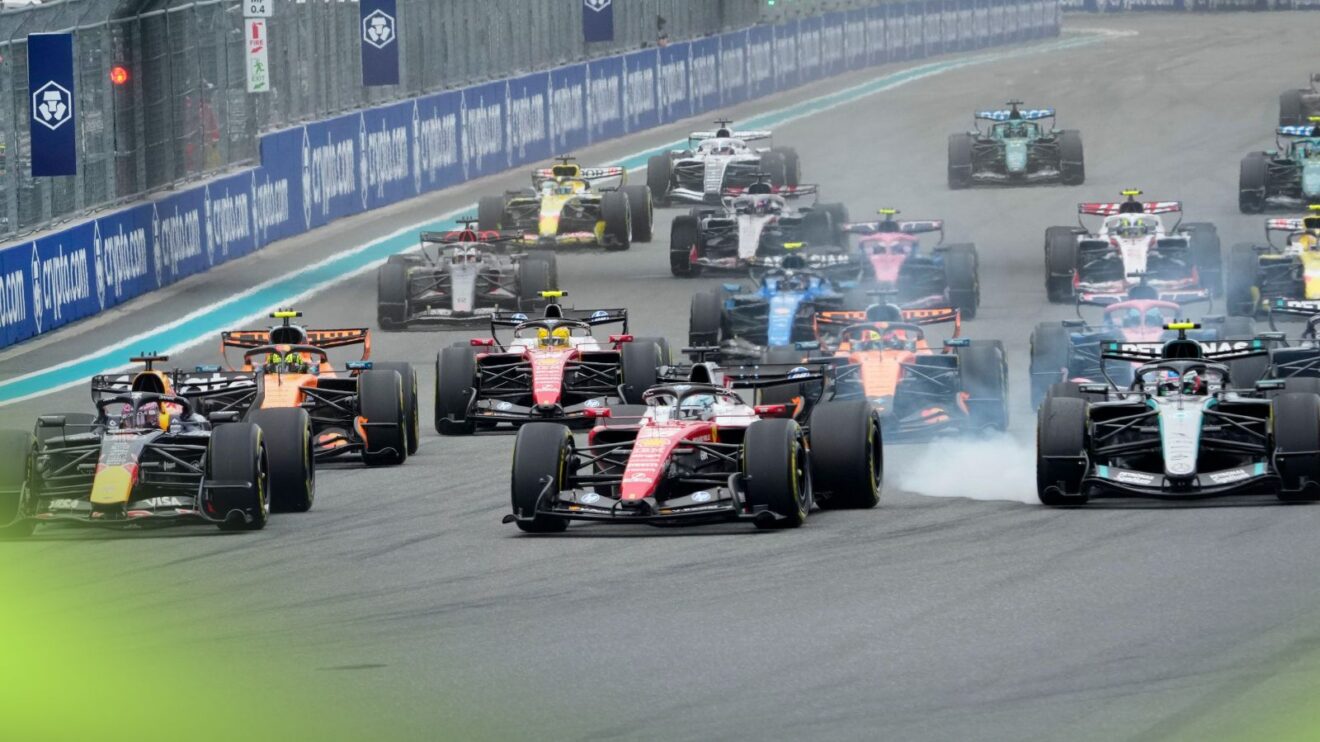
The FIA has agreed in principle to a set of evolutionary changes to the 2026 Formula 1 regulations, following a virtual meeting with team principals, F1 management, and power unit manufacturers. The adjustments, which include a shift in power unit balance and safety improvements, aim to enhance competition and driver safety. The initial modifications introduced at the Miami Grand Prix were deemed positive, with no material issues reported.
Why it matters:
The 2026 regulations are still being fine-tuned to avoid pitfalls like excessive energy harvesting and reliability concerns. These changes reflect a collaborative effort to create a safer, more competitive championship, while ensuring the new power units deliver exciting racing without compromising safety.
The details:
- The Miami package – which reduced excessive harvesting and improved safety – was reviewed and considered a success, with further refinements planned for future events.
- Next steps include start-safety improvements and measures for wet conditions. These will be communicated once finalized.
- For the longer term, a set of "evolutionary changes" for 2027 has been agreed in principle:
- A nominal increase in Internal Combustion Engine (ICE) power by ~50kW, accompanied by an increase in fuel flow.
- A corresponding nominal reduction in Energy Recovery System (ERS) deployment power by ~50kW.
- The aim is to make competition safer, fairer, and more intuitive for drivers and teams.
- Further detailed discussions in technical groups (teams and PU manufacturers) are required before the final package is decided.
What's next:
The next step is to formally present these refined regulatory changes for a World Motor Sport Council e-vote, once the power unit manufacturers have voted on the package. The process underscores the FIA's commitment to iterative improvement and stakeholder collaboration.
This ongoing refinement of the 2026 rules – from the initial Miami tweaks to the 2027 balance shift – signals that the sport's governing body is actively listening to feedback and adapting to ensure a strong future for Formula 1.
Original Article :https://www.fia.com/news/f1-proposals-agreed-principle-further-evolutionary-chan...