






F1 Agrees to Ditch 50/50 Engine Power Split for 2027
Formula 1 has reached a consensus to fast-track power unit hardware changes for 2027, abandoning the notional 50/50 split between the internal combustion engine and electrical elements. The new ratio will move closer to 60/40, increasing ICE power by 50kW through a fuel-flow rise while reducing the electrical component from 350kW to 300kW. The goal is to make cars less dependent on energy recovery and battery management, allowing drivers to push harder and race more naturally.
Why it matters:
The current 2026-spec power units have drawn criticism for forcing drivers into complex energy-saving strategies, often leaving cars underpowered at critical moments. By increasing the ICE's share, F1 hopes to restore a more intuitive driving experience and reduce the unintended consequences of aggressive electrification. This change could also improve overtaking and race flow, addressing one of the biggest complaints from the paddock.
The details:
- The agreement came during an online meeting on Friday involving teams, power unit manufacturers, F1, and the FIA.
- Hardware changes: ICE power output will increase via a fuel-flow adjustment, while the MGU-K's deployment will be dialed back. This requires modifications to the fuel tank size and chassis cooling.
- Timeline: Changes are targeted for 2027 rather than 2028, despite the tight schedule for extra testing and reliability work.
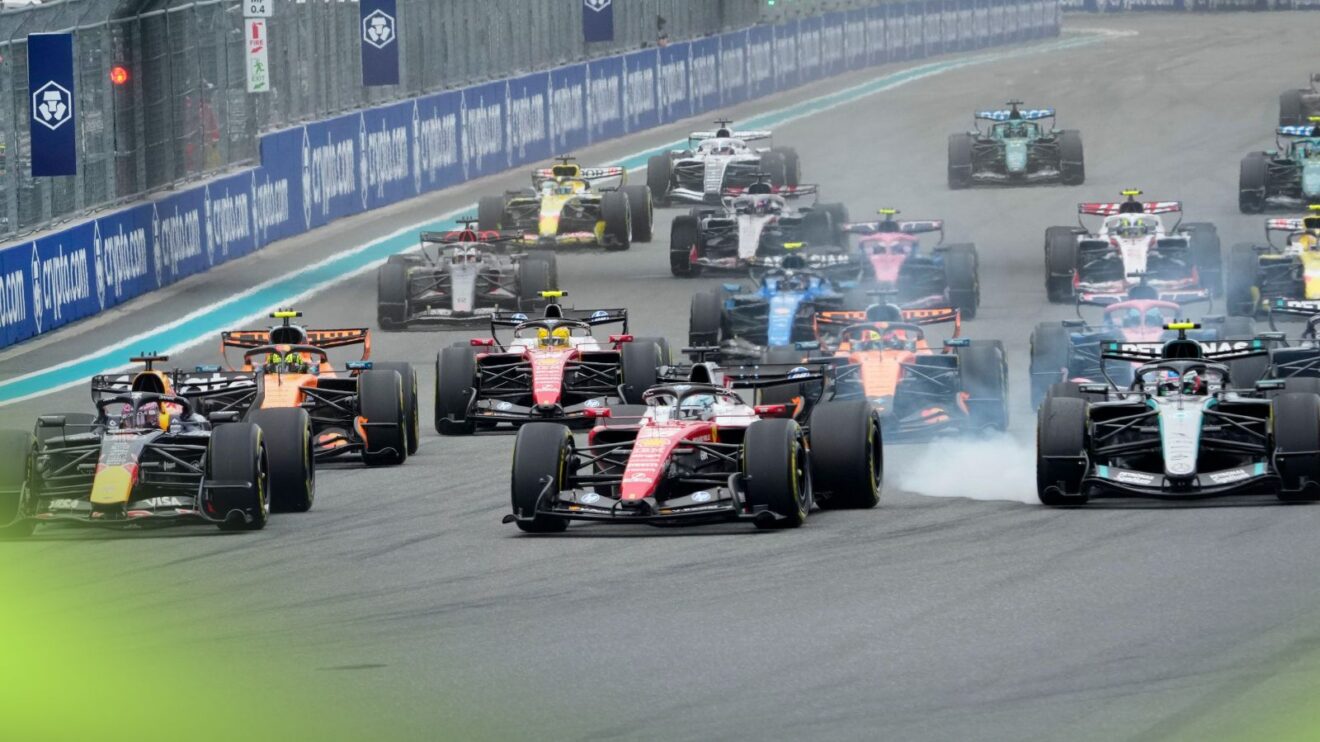
- Short-term fixes: The meeting also reviewed the Miami Grand Prix tweaks to harvesting and deployment levels. Further adjustments for start safety, wet-weather performance, and visual signaling (for the Canadian GP) are under evaluation.
- Next steps: The proposals will be refined in technical groups before proceeding through the formal governance process—F1 Commission, Power Unit Advisory Committee, and the FIA's World Motor Sport Council.
What's next:
While the principle is agreed, the final package is not locked in. Detailed discussions among teams and manufacturers will define the exact specifications. If approved, these changes will mark a significant pivot from the original 2026 regulations, reflecting a pragmatic response to on-track issues that emerged early in the season.
Original Article :https://www.the-race.com/formula-1/f1-agrees-plan-to-drop-50-50-power-split-2027...