




F1 needs to stop chasing road relevance for good
Formula 1 is finally acknowledging what many have long argued: the 2026 power unit regulations, with their ambitious 50/50 electrical to internal combustion split, are fundamentally mismatched with the sport. Senior FIA technical officials have admitted the target was too aggressive, and FIA President Mohammed Ben Sulayem has promised a return to V8s with a much smaller electrical contribution as early as 2030. The core problem is simple: batteries and downforce do not mix, and the sport has been paying the price in compromised racing.
Why it matters:
The 2026 regulations were driven by automotive manufacturers who insisted they would never build another internal combustion engine. That hasn't happened, and the political landscape has shifted. F1 now has a chance to sever the artificial link to road car technology—a link that has forced the sport into an energy-management nightmare where drivers cannot push flat out through corners. If the move back to V8s goes ahead, F1 will once again become a pure sporting contest, free from the constraints of electrification.
The details:
- The physics mismatch: Electrical energy density is about 50 times lower than petrol. A battery can deliver a big boost but not for long, forcing drivers to manage energy through corners to deploy on straights. This creates unacceptable speed differentials and compromises the fundamental challenge of driving at the limit.
- FIA officials speak out: Niklas Tombazis (FIA single-seater director) said, "We cannot be hostage to automotive companies." Jan Monchaux (technical director) agreed that the internal combustion engine needs a bigger share of power output, directly implying the 50/50 target was too ambitious.
- Sustainable fuels are the key: Synthetic fuels reuse existing CO2 and do not add greenhouse gases. While currently 12-15 times more expensive than fossil fuels, scaling production—especially given geopolitical tensions—will bring costs down. F1 can easily produce the small volumes needed cleanly, even if the grid is not yet green enough for mass automotive use.
- The automotive disconnect: F1 is unrelated to the automotive industry's future of fully electric, driverless cars. Many sectors (aviation, shipping) cannot use batteries due to energy density limits. Racing is similarly unsuited. The link between motorsport and road cars should have been broken long ago, just as horse racing was separated from transportation.
The big picture:
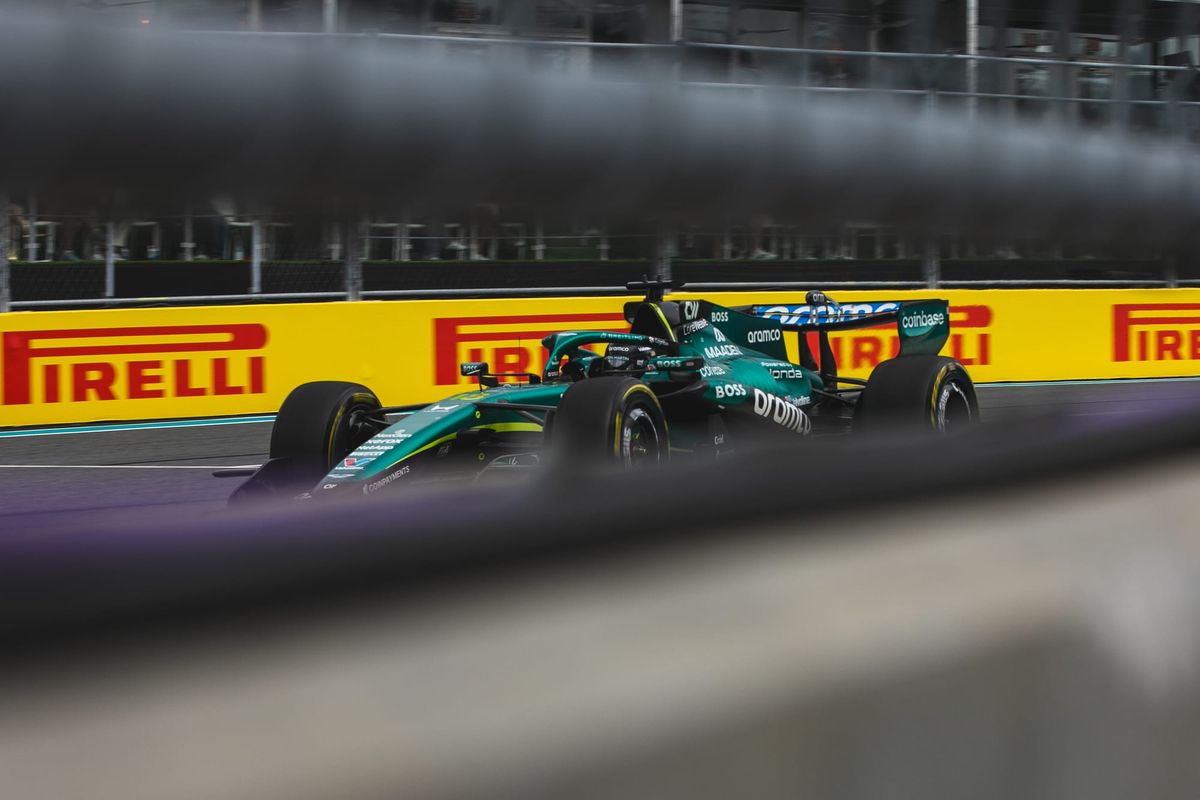
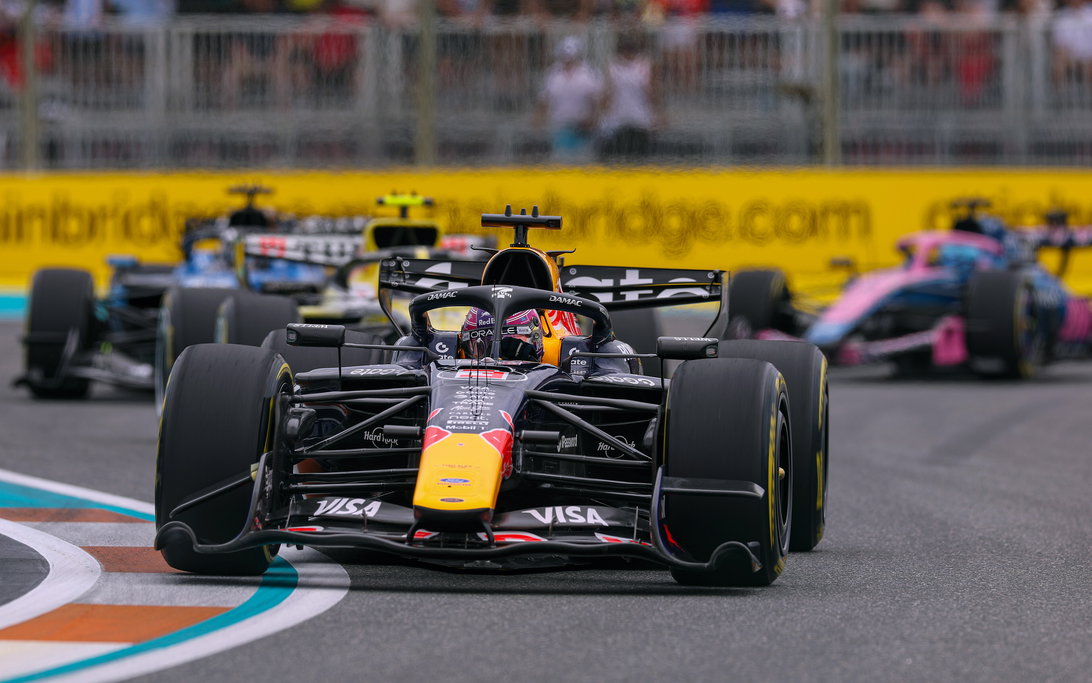
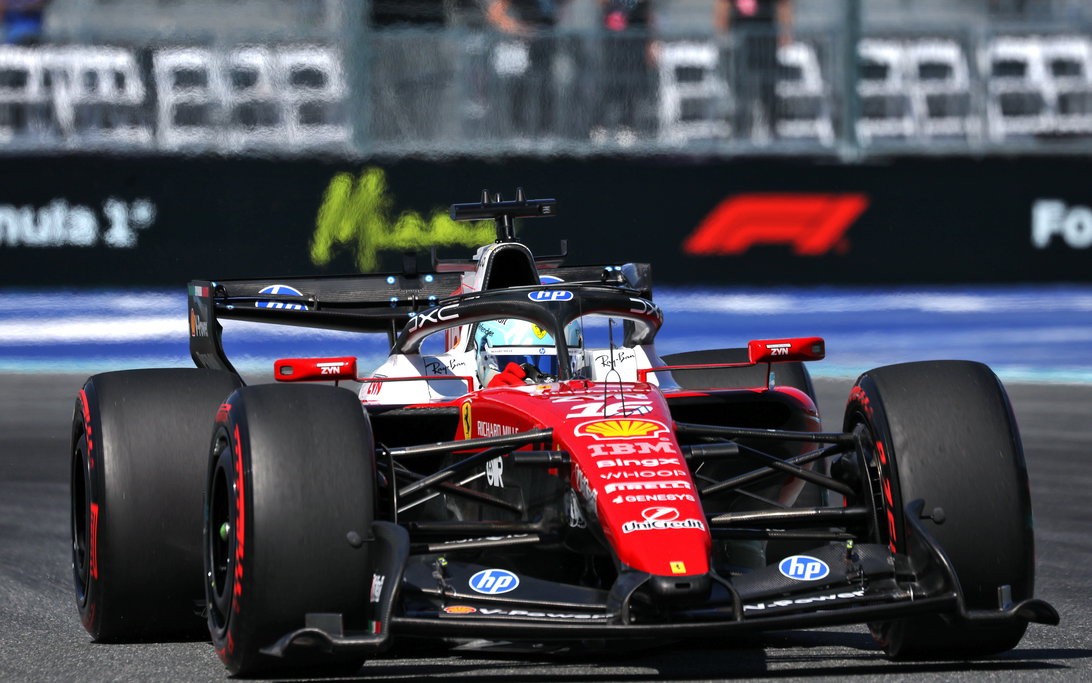
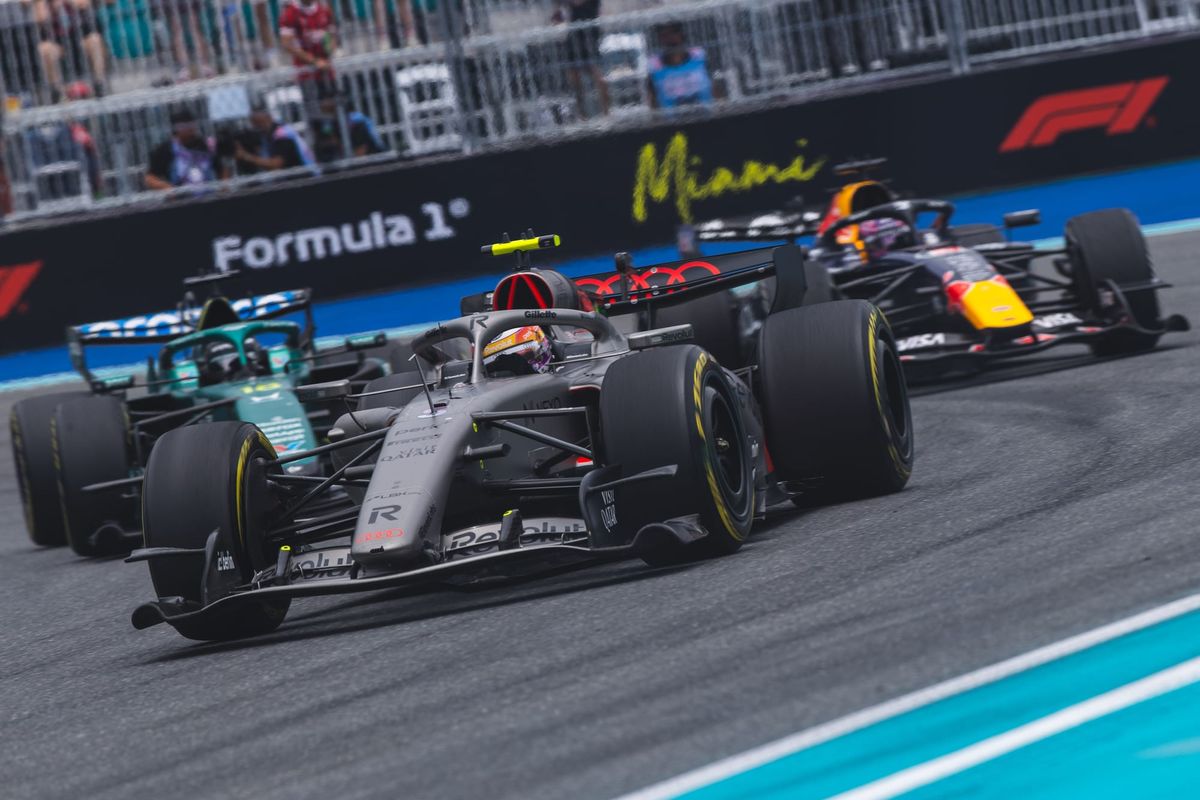
The case for heavy electrification was always environmental, but F1 cars contribute a negligible fraction of global emissions. With sustainable fuel, F1 can be carbon-neutral without sacrificing performance. The recent regulation tweaks and circuit layouts (like Miami) only mask the underlying problem. A return to V8s with smaller electrical boost will restore the driver as the decisive factor and eliminate the absurdity of navigating slow corners to save battery for straights.
What's next:
The FIA president's promise of V8s by 2030/2031 has gained momentum since the 2026 problems became visible in real races. The political landscape has shifted, with manufacturers now more receptive. If F1 follows through, it will finally accept that automotive and racing are separate entities—and that the health of the category lies in being a sporting contest, not a road-car laboratory.
Original Article :https://www.the-race.com/formula-1/f1-needs-to-stop-chasing-road-relevance-for-g...