


F1 2026 season opener reveals Mercedes dominance and driver discontent
Mercedes confirmed its status as the overwhelming 2026 favorite with a crushing qualifying performance at the Australian Grand Prix, while widespread driver frustration over the new regulations boiled over. George Russell took pole by nearly eight-tenths of a second, but the session was overshadowed by complaints about energy management and a last-minute regulatory drama that nearly made the cars even slower.
Why it matters:
The first competitive session of F1's new era has set a clear and potentially concerning precedent. Mercedes' massive advantage suggests a development gap that could define the early season, while the vocal unhappiness from top drivers like Max Verstappen and Lando Norris signals significant teething problems with the 2026 car concept that go beyond mere competitiveness.
The Details:
- Mercedes' Comprehensive Edge: The works Mercedes team's advantage stems from a superior power unit, optimal energy harvesting/deployment strategies, and a strong chassis. Customer teams like McLaren, while using identical hardware, lag significantly in understanding how to exploit it, with most of the deficit appearing on the straights.
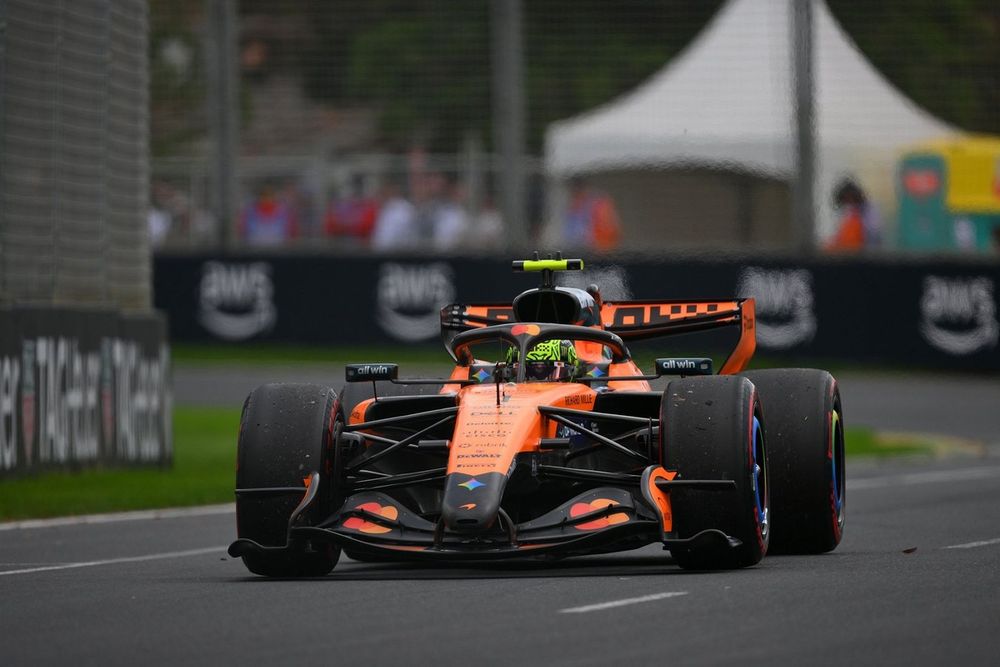
- Driver Revolt Erupts: After a polite pre-season, drivers openly criticized the 2026 cars following qualifying. Max Verstappen stated he was having "no fun," while Lando Norris called them "probably the worst" after coming from the best. Their frustration centers on the need to drastically slow on straights to save energy.
- FIA's Last-Minute Drama: The FIA attempted to ban 'straight mode' activation in one high-speed zone on safety grounds just hours before final practice. Teams revolted, with simulations showing it would make F1 cars 50 km/h slower than F3 cars there. The FIA was forced into a U-turn after unified opposition.
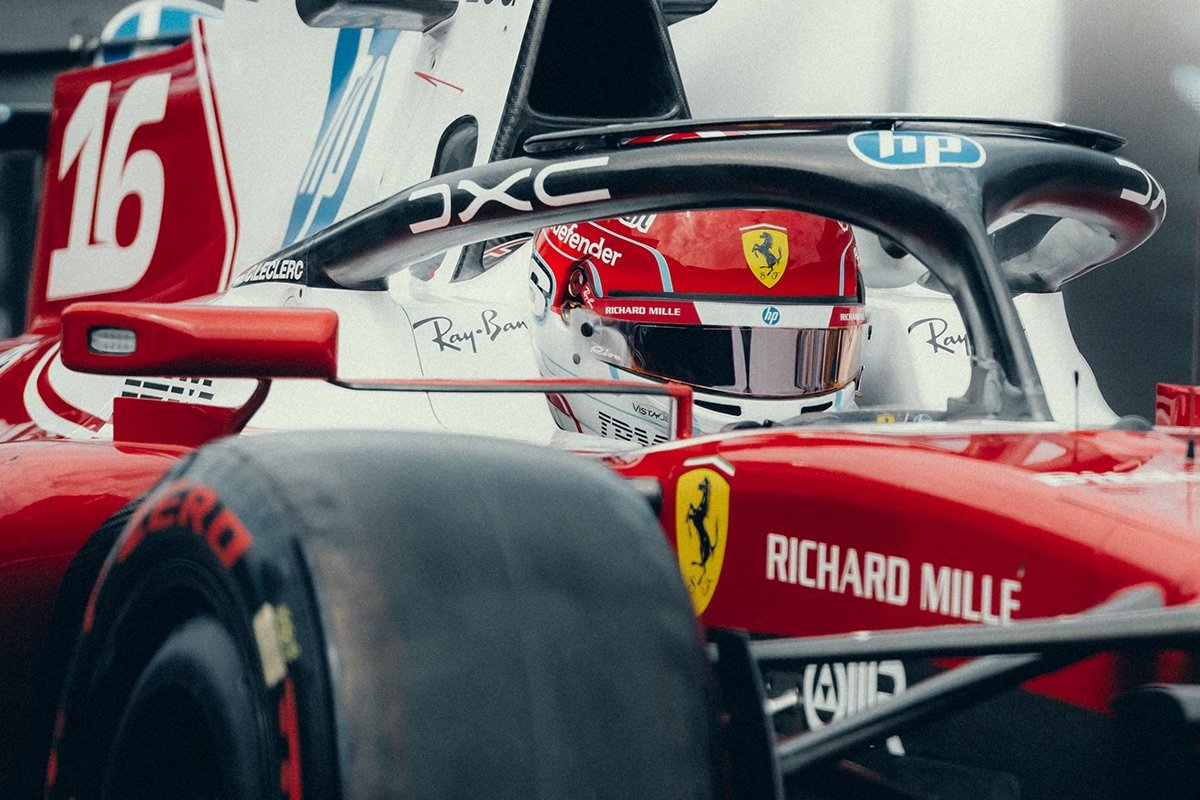
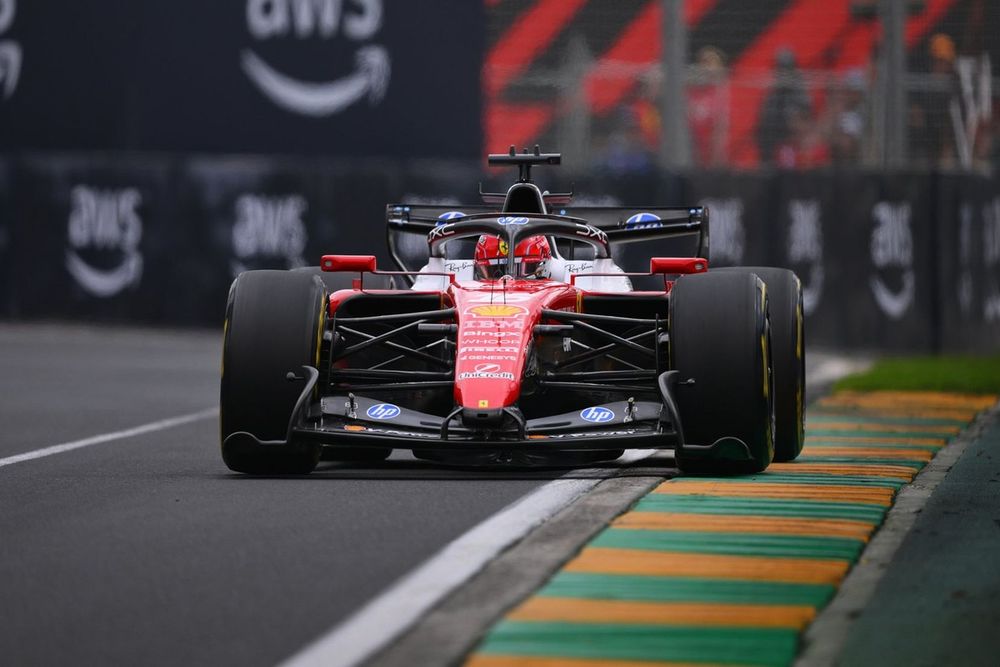
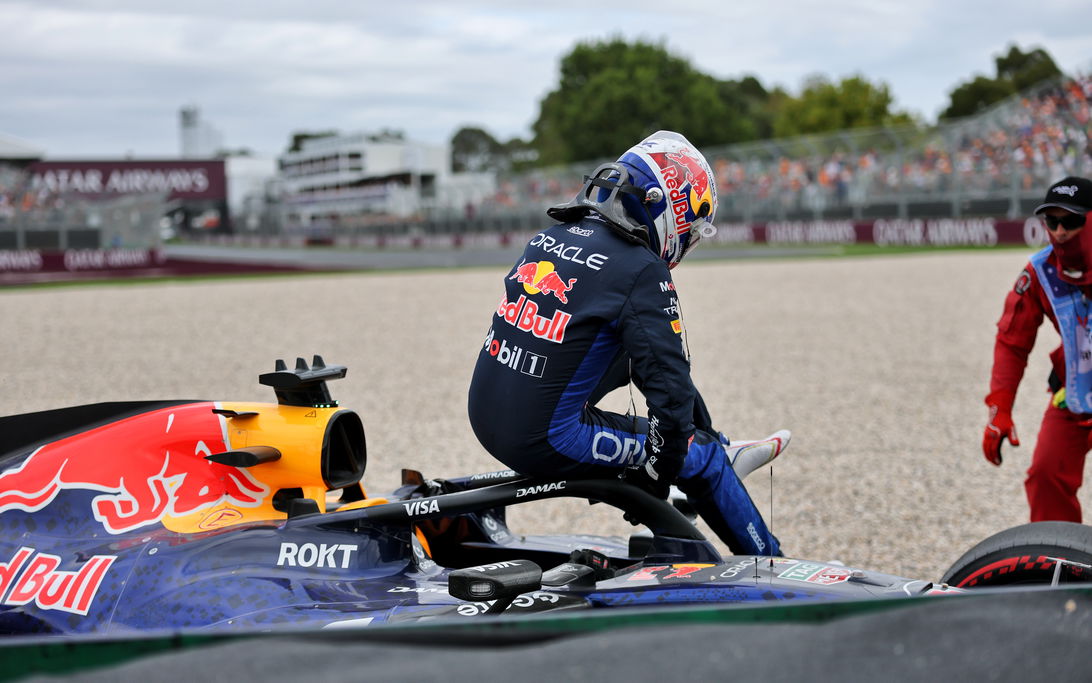
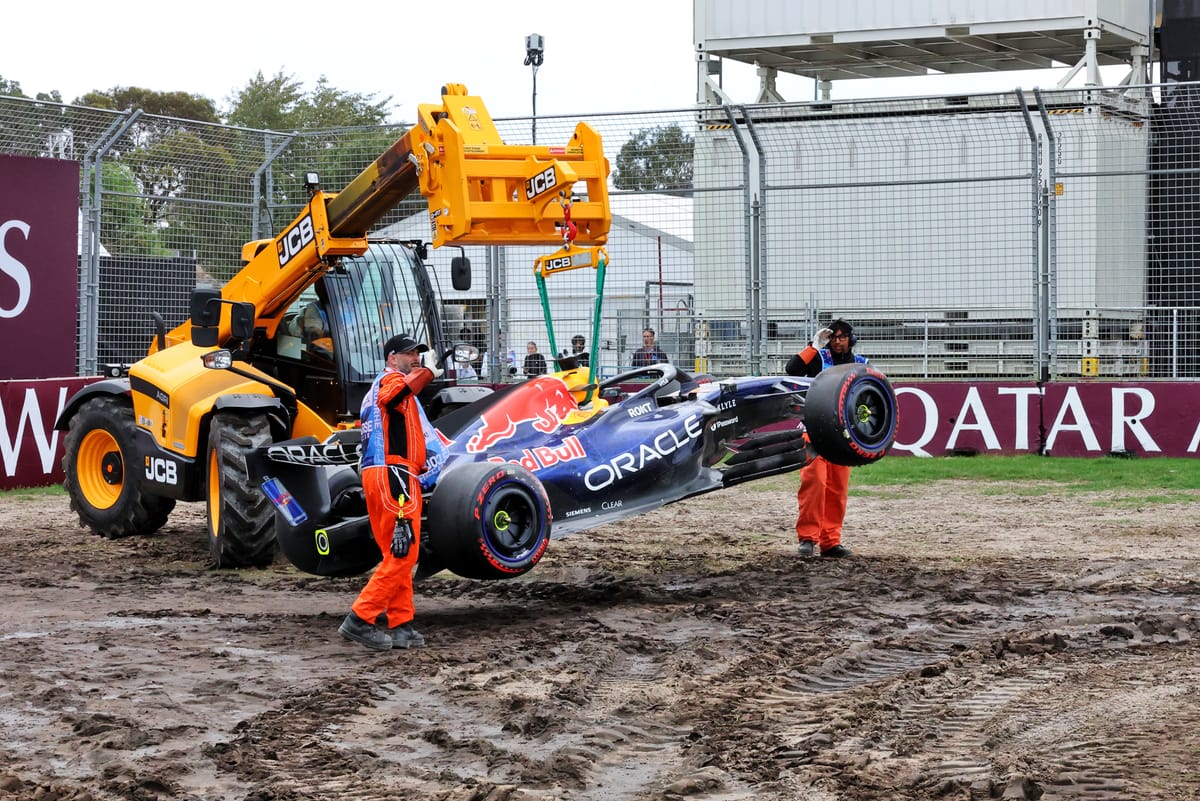
- Red Bull's Silver Lining: Despite Verstappen crashing out in Q1 after a technical issue, rookie Isack Hadjar excelled to qualify third, showing Red Bull finally has a capable deputy. Ferrari, meanwhile, saw its practice promise fade, qualifying fourth and seventh with a larger-than-expected gap to Mercedes.
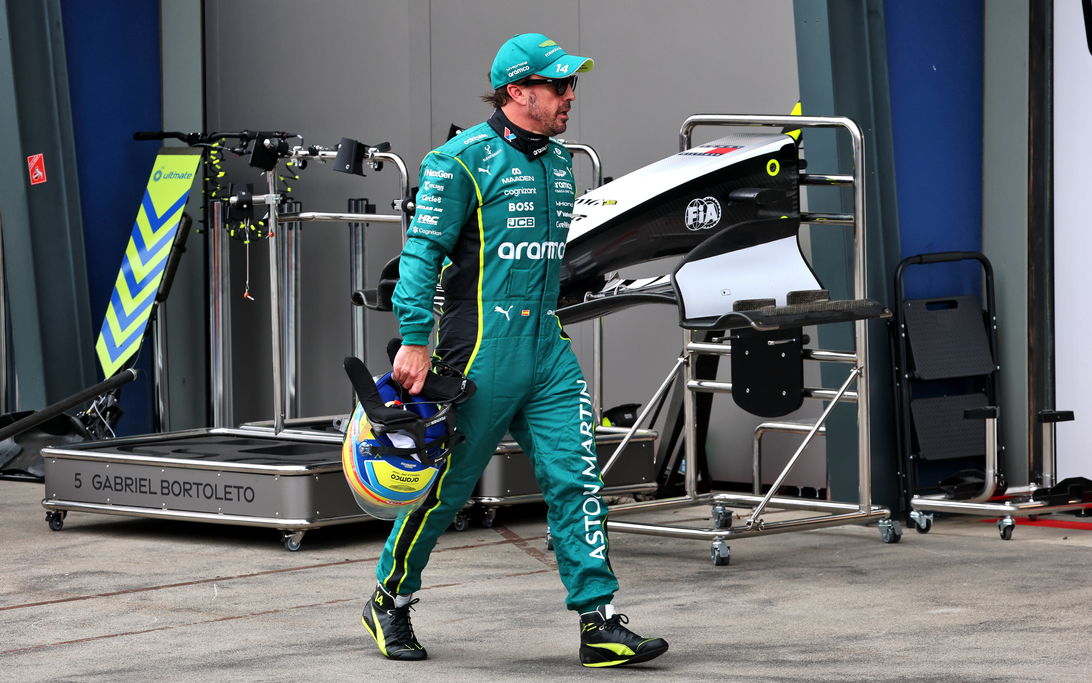
- Midfield Compression & Aston's Woes: The midfield is closer to the front and more condensed than testing suggested. Aston Martin showed relative improvement but faces a major reliability question, with Lance Stroll yet to complete a lap all weekend and only allowed to start via a stewards' exemption.
What's next:
All eyes are on the race to see if Mercedes can convert its one-lap pace into a dominant victory and if the energy management challenges lead to strategic variety or further driver complaints. The backlash from Melbourne will likely intensify pressure on the FIA and F1 to address the drivability and spectacle concerns surrounding the 2026 regulations sooner rather than later.
Original Article :https://www.the-race.com/formula-1/what-we-learned-from-first-f1-2026-qualifying...
