


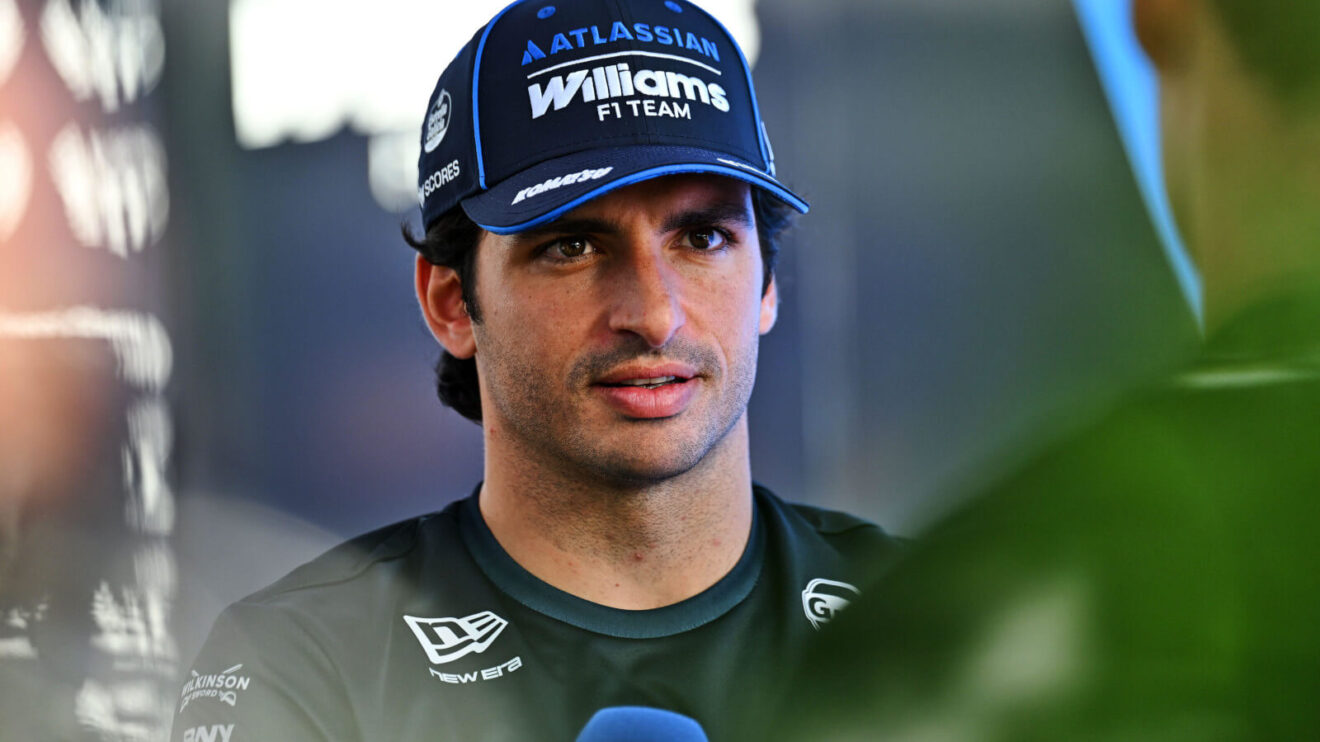
Carlos Sainz urges F1 to fix 'artificial' 2026 engine rules despite team opposition
Carlos Sainz has publicly criticized Formula 1's new 2026 engine regulations, calling for immediate changes to preserve the sport's 'DNA' despite potential opposition from teams. The Williams driver outlined three key flaws he believes are creating 'artificial' racing and undermining the core skill-based competition of F1.
Why it matters:
Sainz's critique strikes at the heart of a growing debate about the direction of F1's technical future. As a respected veteran and race winner, his concerns carry significant weight and highlight a potential disconnect between the new hybrid power unit formula and the pure racing spectacle fans expect. His call for F1's governing bodies to override team interests for the sport's greater good challenges the current political balance.
The Details:
- Sainz identified three specific problems with the current racing product under the new 50/50 combustion-electric power unit rules:
- Top Speed Drops: He dislikes seeing cars lose 30-40 kph in the middle of a straight during a qualifying lap due to energy harvesting.
- Lift-and-Coast in Qualifying: The need to lift off the throttle to manage energy during a single-lap qualifying run is, in his view, antithetical to the sport's ethos.
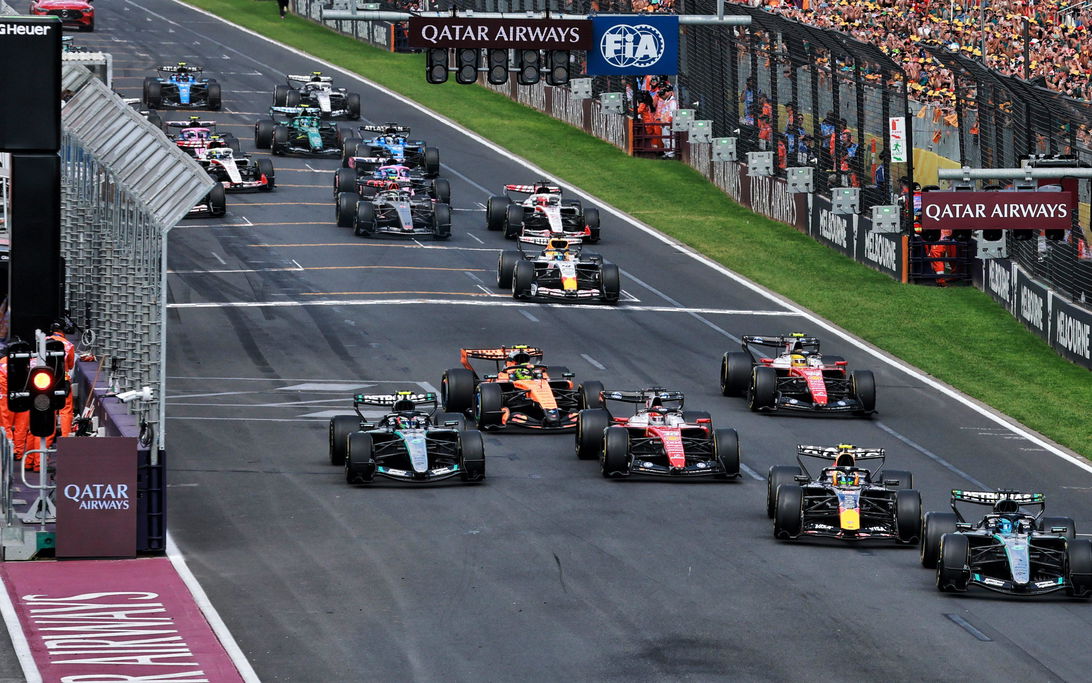
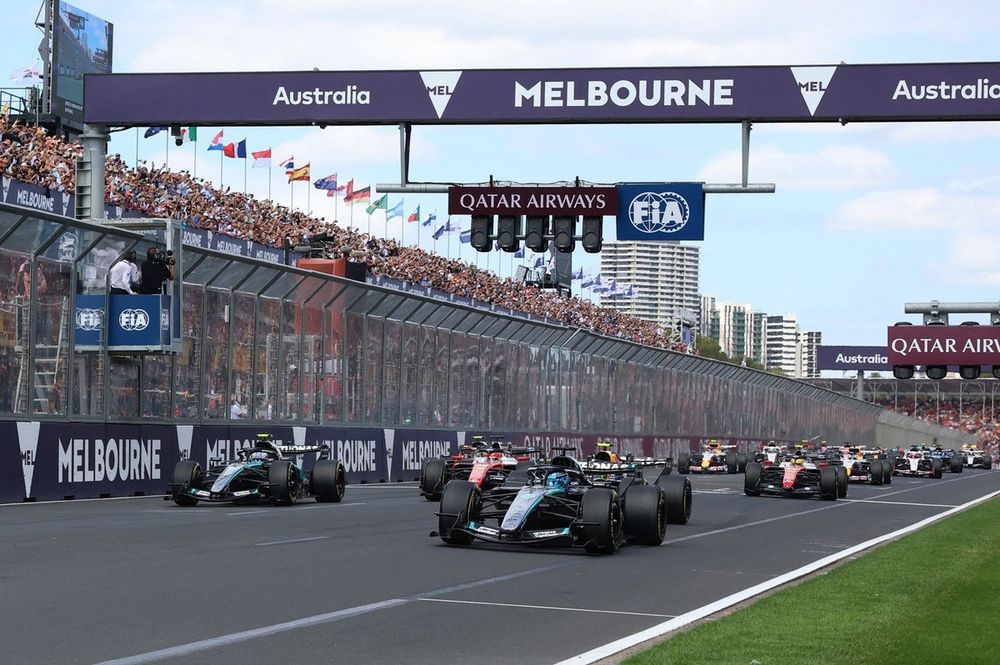
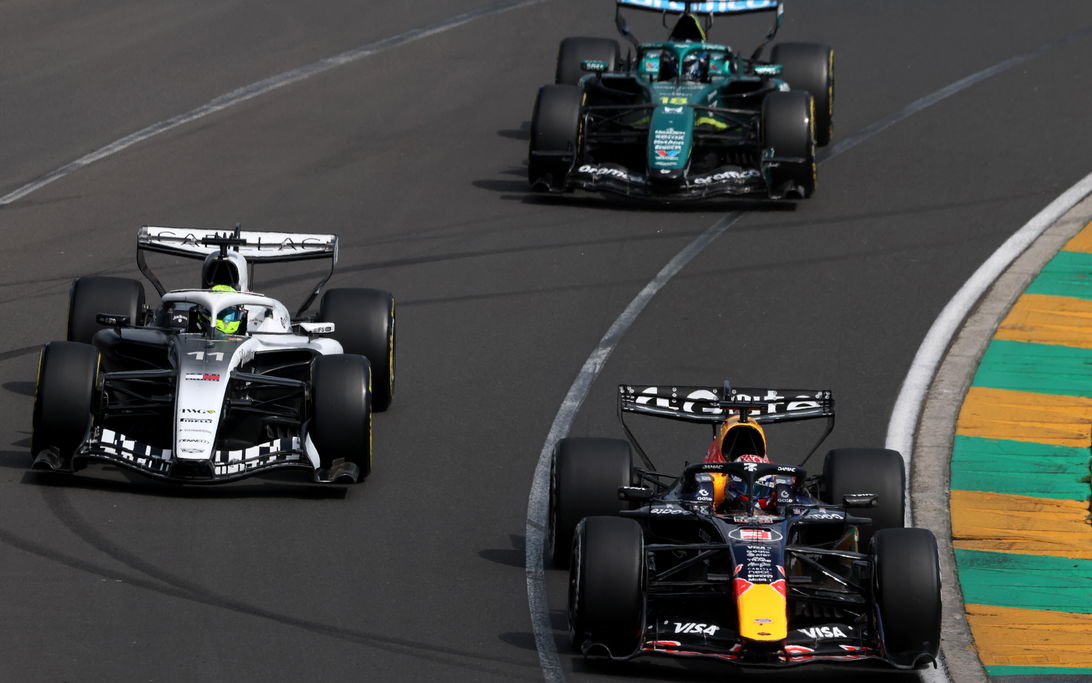
- 'Artificial' Overtaking: He criticized the massive 60 kph closing speeds enabled by the 'boost button' and overtake mode, exemplified by the lead swaps in Melbourne, arguing it creates passes where a car seems "completely stopped" rather than earned through braking or racecraft.
- The Spaniard argues that energy recovery should only help a driver get into an overtaking position, not execute the pass itself.
- While acknowledging that development from teams and engine manufacturers will improve the situation, Sainz insists regulatory "tweaking" is essential because the current formula is "not the purest nor following the DNA of Formula One."
Between the lines:
Sainz's comments reveal a driver's frustration with a formula that prioritizes energy management algorithms over raw driver skill and racecraft. His plea for F1 to use its "power" and not be held hostage by teams' "performance interests" suggests he believes the current rule-making process is too compromised by competitive politics to deliver the best sporting product. This positions him as an advocate for the spectacle and tradition of the sport, potentially rallying fan and media support for regulatory review.
What's next:
The FIA and Formula 1 management now face increased pressure to review the 2026 regulations mid-cycle. Sainz has previously called for an "open-minded" approach, and his latest comments add fuel to that fire.
- The governing bodies possess the technical mandate to enact changes for sporting reasons, but doing so against unified team opposition is politically fraught.
- As teams develop their cars and software, the perceived issues may lessen, potentially defusing the urgency for change.
- However, if other high-profile drivers echo Sainz's sentiments, it could force a formal discussion about the raceability of the current formula before the 2027 season.
Original Article :https://www.planetf1.com/news/carlos-sainz-f1-2026-engine-rules