





F1 teams divided over start procedure changes after Melbourne incidents
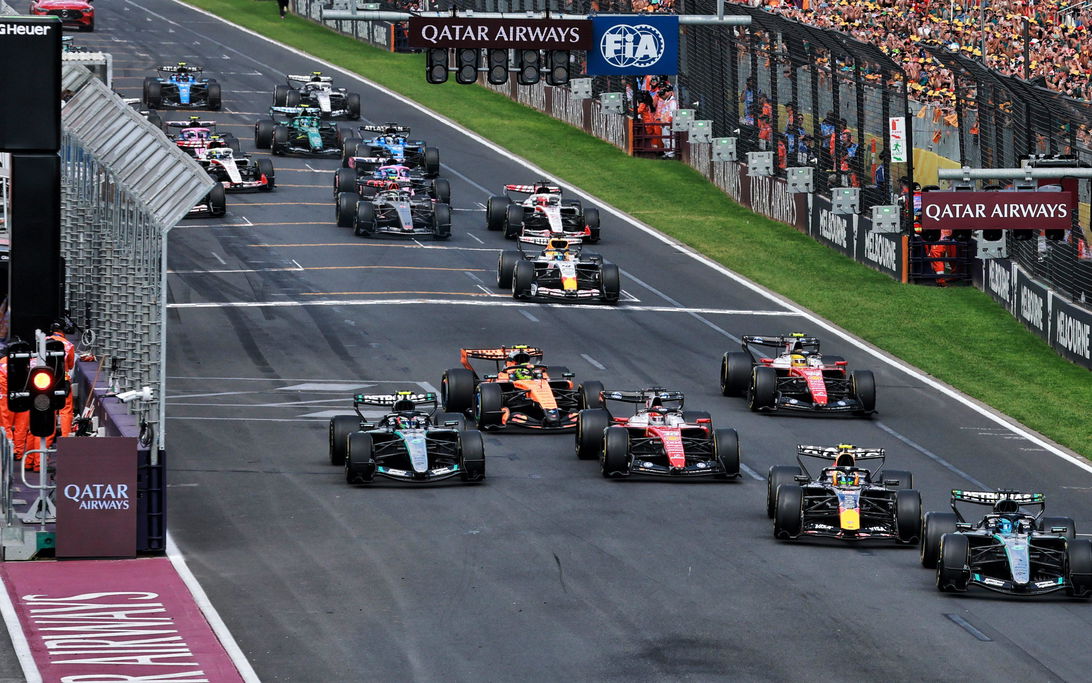
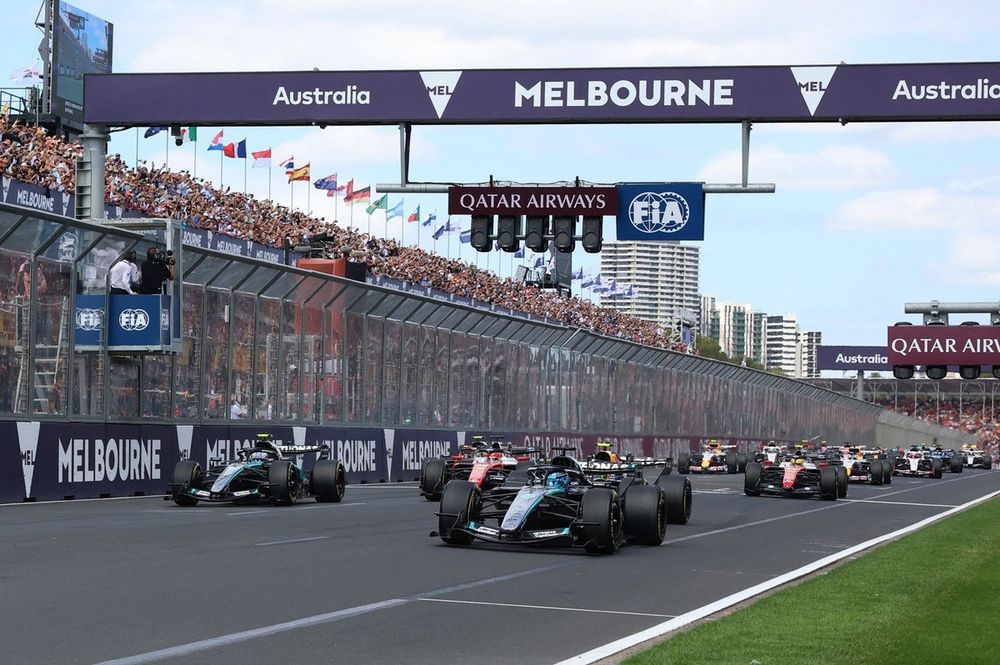
A split has emerged among Formula 1 teams over whether to further revise the race start procedure following concerning incidents and widespread slow getaways at the Australian Grand Prix. While some teams, led by Mercedes, are pushing for immediate changes on safety grounds, others—notably Ferrari—are resisting, viewing the current challenges as a matter for individual teams to solve internally.
Why it matters:
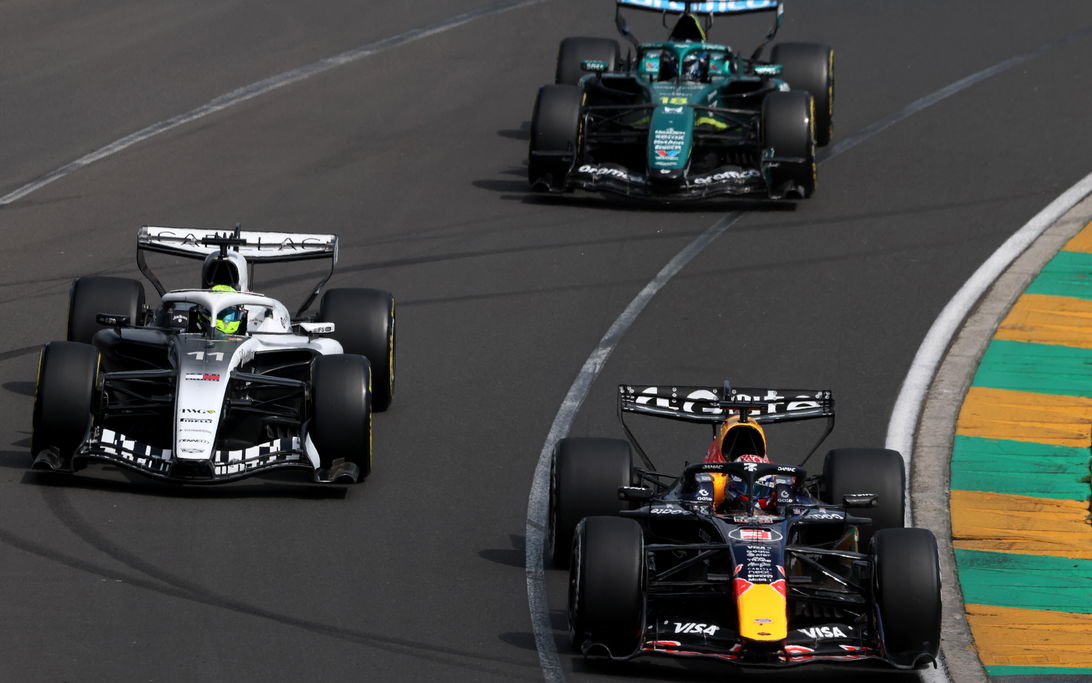
The debate strikes at the core of balancing safety with sporting fairness under F1's new technical regulations. Slow starts and near-misses, like the one between Liam Lawson and Franco Colapinto in Melbourne, present a clear safety risk for drivers bunched up on the opening straight. However, altering the rules now could also erase a hard-earned competitive advantage for teams that have adapted better to the new power unit demands, making consensus difficult to achieve.
The details:
- The core issue stems from the 2026-spec power units, which lack the MGU-H. This requires the combustion engine to work harder to spool the turbo, leading to the introduction of a mandatory 5-second preparation period before lights-out.
- In Australia, a separate and compounding problem emerged: many drivers, regardless of grid position, started the race with critically low battery energy (State of Charge). This was due to a combination of aggressive formation laps to heat tires and brakes, and the FIA's imposed energy recovery limits per lap.
- With a depleted battery, drivers lose all electrical boost assistance above 50 km/h, exacerbating performance differences and leading to significant speed differentials off the line.
- Mercedes' George Russell has been vocal, labeling opposition to rule changes as "selfish" and pointing out that "half the grid got it wrong in Melbourne."
- Ferrari, which reportedly identified this issue a year ago, now opposes further changes after the 5-second warning concession was already granted. The team believes the focus should be on internal operational improvements, not another regulatory shift.
What's next:
The FIA's hands are largely tied without unanimous team support. Any formal regulation change requires a supermajority vote, which currently does not exist. The only other path is to mandate a change as a direct safety measure, a move the governing body is likely weighing.
- Discussions are ongoing about potentially relaxing the energy recovery limits on the formation lap to ensure drivers can start with sufficient battery charge.
- In the short term, teams that struggled in Melbourne will adapt their procedures for upcoming races. As Russell noted, "We will adapt and now we know what we need to watch out for."
- The stalemate highlights an ongoing tension in F1 between engineering competition and collective safety, with a resolution unlikely until a more serious incident forces the issue or a compromise is brokered behind closed doors.
Original Article :https://www.motorsport.com/f1/news/mercedes-pushes-to-change-f1-start-procedures...