








Brown warns A/B team model threatens F1's sporting integrity
McLaren Racing CEO Zak Brown has issued a stark warning that the 'A team and B team' model in Formula 1, exemplified by Red Bull's ownership of two squads and Haas's technical ties to Ferrari, risks compromising the sport's fundamental fairness and could alienate fans. He argues that such close affiliations create an environment ripe for sporting manipulation, intellectual property (IP) transfer, and unfair financial advantages, calling for all 11 teams to operate as independently as possible to preserve the championship's credibility.
Why it matters:
The integrity of competition is the cornerstone of any major sport. Brown's concerns highlight a systemic issue where shared ownership or deep technical partnerships can lead to on-track tactics that benefit one team over another, the movement of key personnel and IP without proper barriers, and a distortion of the financial playing field under the cost cap. If fans perceive the grid as having fewer than 11 truly independent competitors, it undermines the legitimacy of the entire championship.
The details:
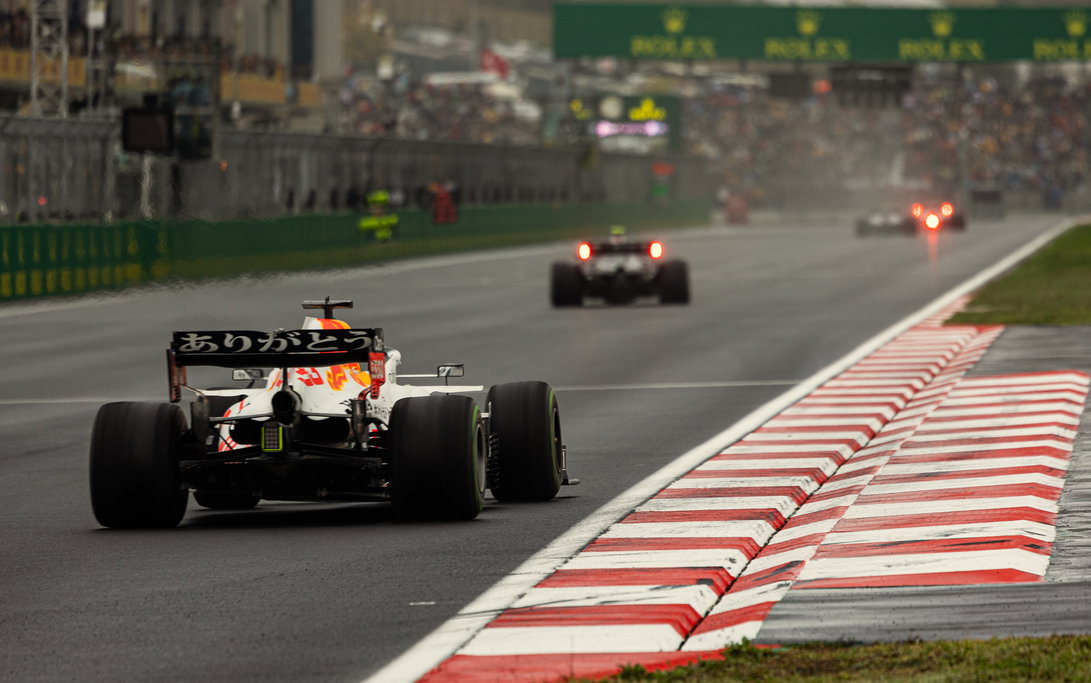
- Brown's comments were prompted by Red Bull's swift hiring of Racing Bulls' deputy technical director, Andrea Landi, who will start at the senior team in just over two months—a contrast to McLaren's lengthy wait to secure Red Bull's Gianpiero Lambiase.
- He cited historical and recent examples of the model's impact:
- Sporting Manipulation: Referenced Daniel Ricciardo's 2024 Singapore GP pit stop to take a fastest lap point from Lando Norris, potentially aiding Red Bull's championship rival.
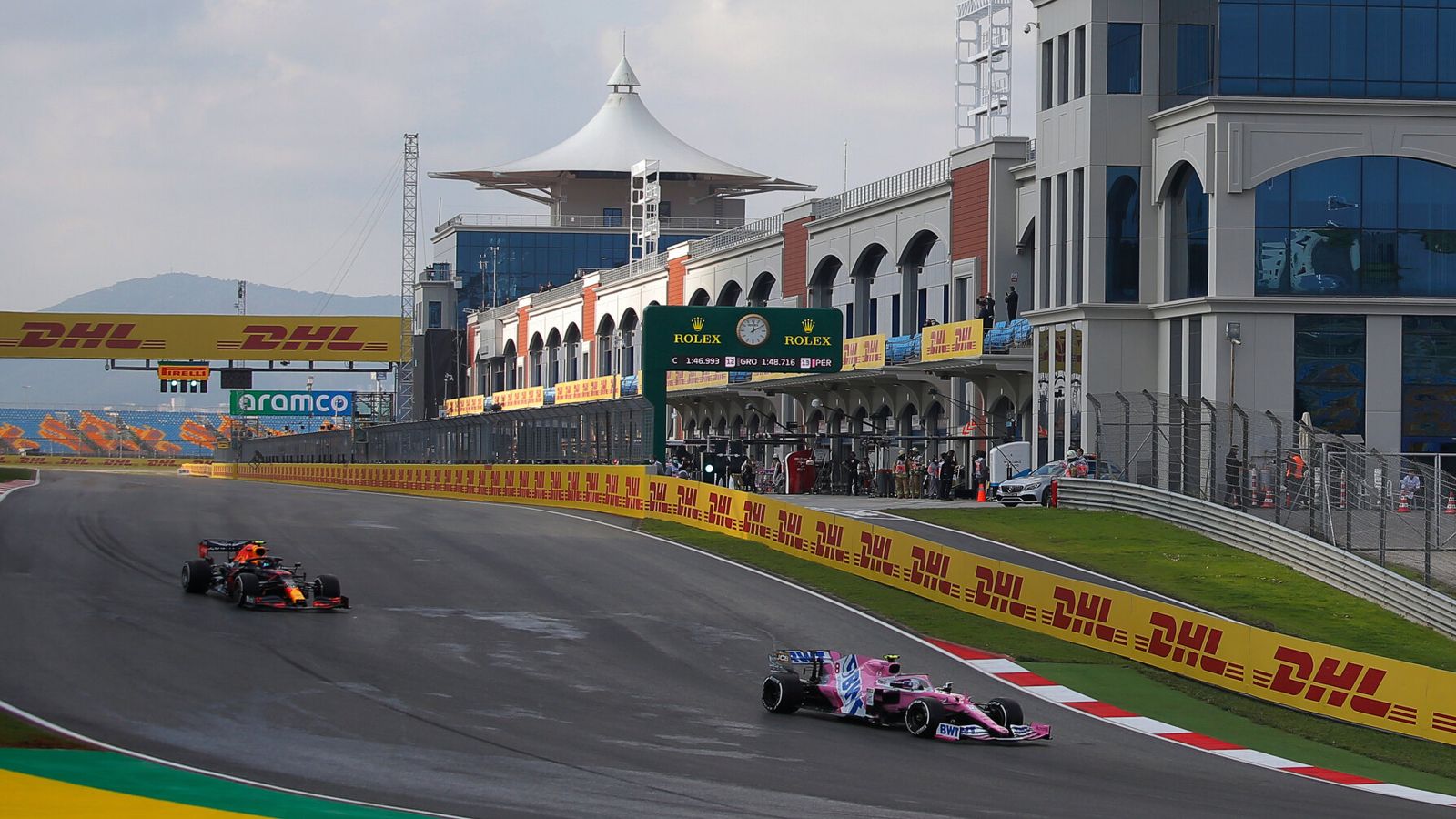
- IP Violations: Pointed to the 2020 "Pink Mercedes" controversy, where Racing Point (now Aston Martin) was penalized for copying Mercedes' brake ducts.
- Personnel & Financial Advantage: Noted the fluid movement of staff between Ferrari and Haas, and how some teams avoid financial compensation for personnel moves, creating an unfair cost cap advantage.
- Brown emphasized that engine supply agreements should be the limit of collaboration, drawing an analogy to the unthinkable scenario of two owned teams in a Premier League match where one could afford to lose to help the other.
What's next:
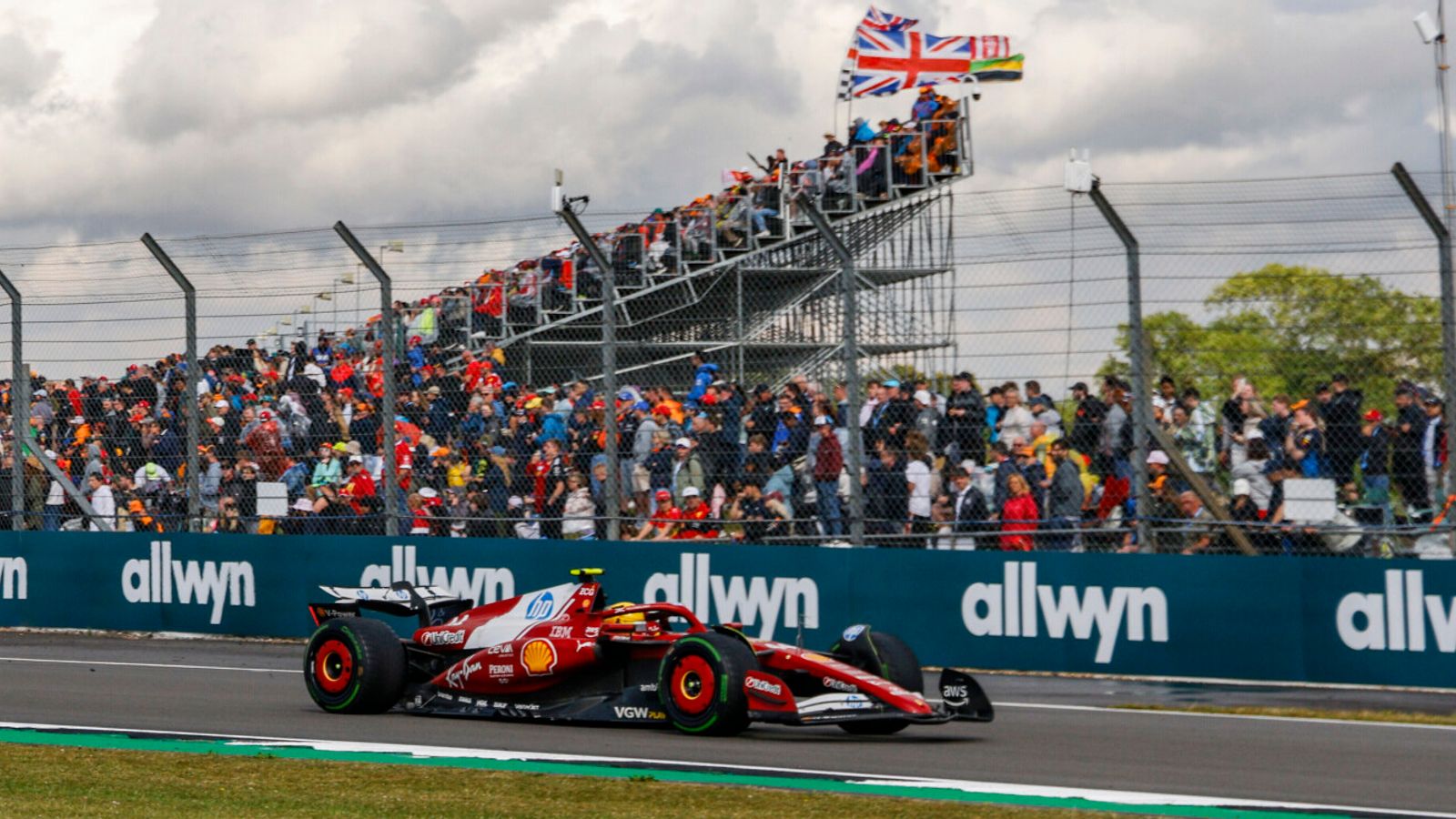
Brown acknowledges the historical context that led to Red Bull's dual ownership but insists further expansion of the model would be a mistake. He has formally raised the issue with the FIA and F1, and it was discussed during the last Concorde Agreement negotiations, even including talks about potentially requiring a divestment over time. While he notes improved FIA oversight and constructive dialogue with Racing Bulls principal Laurent Mekies, Brown's stance remains clear: for the health of the sport, the trend must be managed and reversed to ensure every team on the grid is a genuine, independent competitor.
Original Article :https://www.motorsport.com/f1/news/red-bull-style-b-teams-risk-compromising-fair...