



F1 Grand Prix Contracts: A Track-by-Track Guide Through 2041
Formula 1 has secured its future with contracts for 25 different circuits extending beyond 2026, solidifying the calendar through the next decade. The recent announcements of returning races in Turkey and Portugal from 2027 highlight the sport's expanding global footprint and the fierce competition for a spot on the schedule, with the Dutch Grand Prix at Zandvoort set to depart after 2026.
Why it matters:
Long-term contracts provide financial stability for circuits and commercial predictability for F1, but they also create a high barrier for new venues. The current landscape shows a clear trend towards securing legacy events and key markets for the long haul, while a select few races operate on shorter deals, keeping the calendar dynamic. Understanding these contracts reveals the strategic priorities of F1's commercial rights holder.
By the numbers:
- 25+ tracks are under contract for races beyond the 2026 season.
- 2041 is the current farthest expiration date, shared by the Austrian and Miami Grands Prix.
- 2026 is the soonest expiration, for the Dutch Grand Prix at Zandvoort.
- 10-year deals have become common for cornerstone events in markets like Britain, Australia, and Saudi Arabia.
The details:
The contract lengths create a clear tiered structure for the F1 calendar:
The Long-Term Cornerstones (2035-2041): A group of classic and commercially vital races have secured their places for well over a decade. This includes Austria and Miami (through 2041), Bahrain (2036), and a cluster of events locked in until 2035: Australia, Canada, Monaco, and the new Madrid street circuit.
The Established Stalwarts (2030-2034): Many of F1's most popular destinations fall into this category. Britain and the United States (COTA) are set through 2034, while Silverstone, Barcelona (in its rotational deal), Hungary, and Qatar run until 2032. Races in Abu Dhabi, Azerbaijan, China, Sao Paulo, and Saudi Arabia are contracted through 2030.
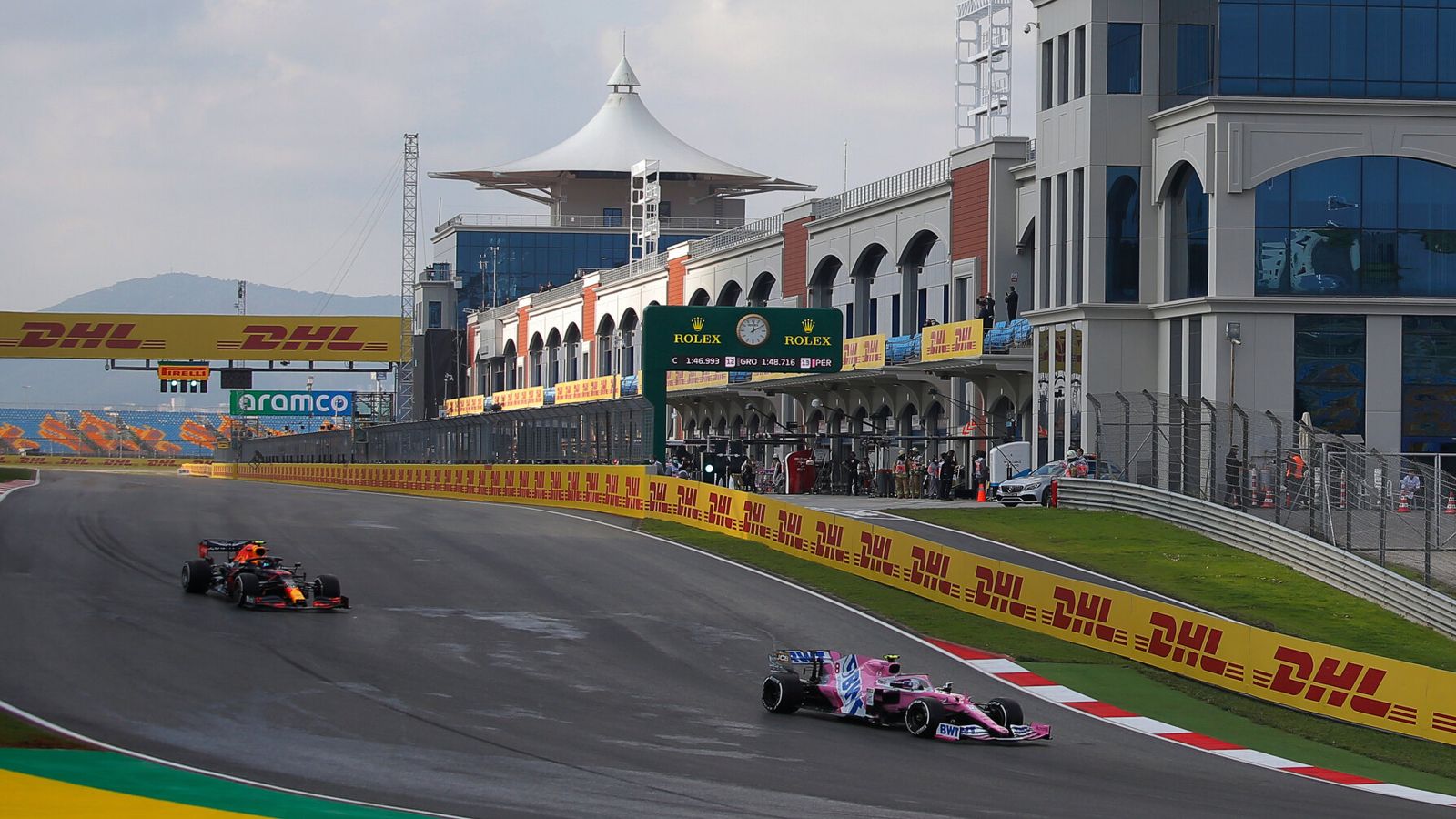
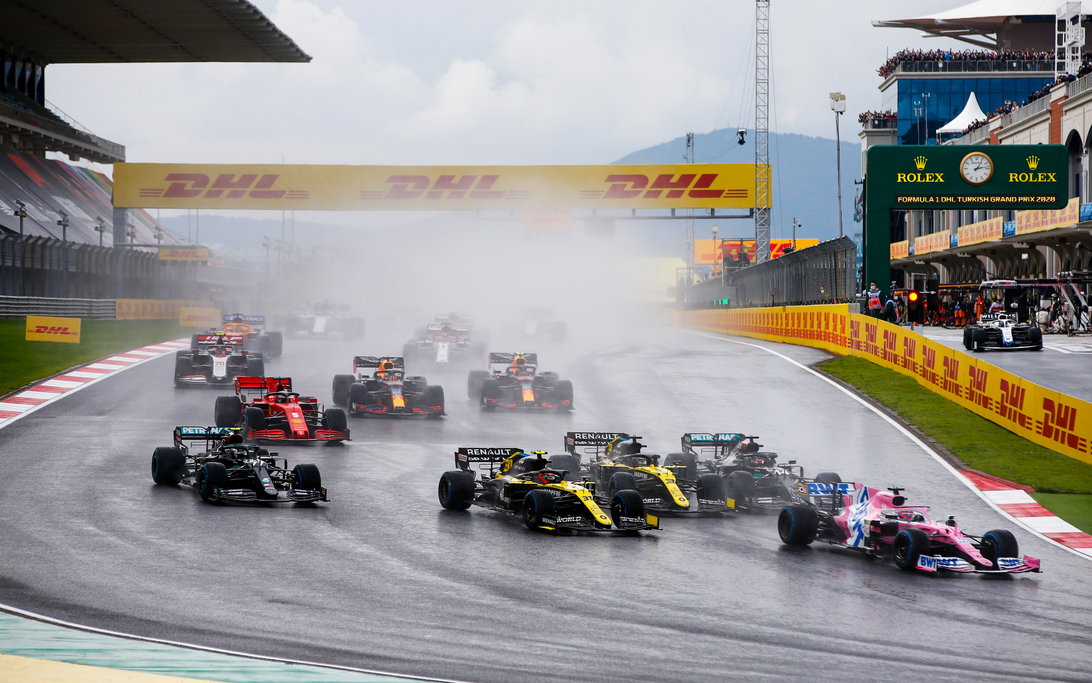
The Mid-Term and Rotational Races (2027-2031): This group features a mix of returning and alternating events. The returning Turkish and Portuguese Grands Prix have deals through 2031 and 2028, respectively. Spa-Francorchamps and Monza are confirmed until 2031, with the Belgian GP moving to an odd-year rotation with Barcelona from 2027. Singapore is set until 2028, and Las Vegas has a confirmed run through 2027.
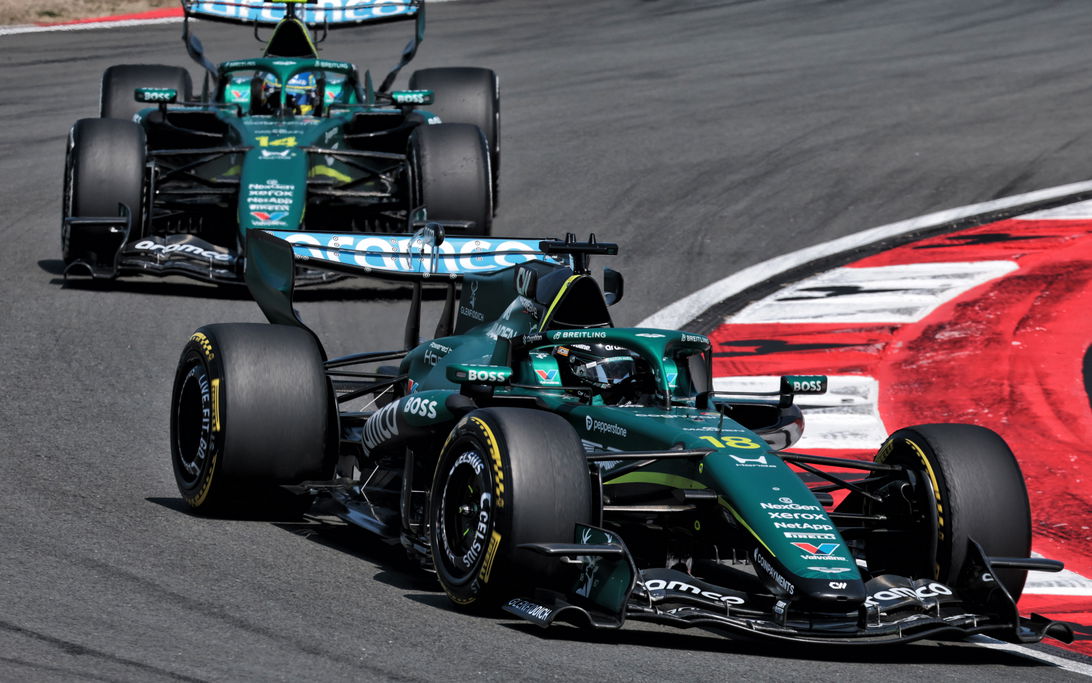
The Short-Term Future (2026): Currently, only the Dutch Grand Prix at Zandvoort is publicly confirmed to be leaving the calendar after the 2026 season, ending its second stint after returning in 2021.
The big picture:
The contract map illustrates F1's strategy of balancing historic European circuits with growth markets in the Middle East, Asia, and the Americas. The shift towards longer-term deals, especially for iconic races like Monza and Silverstone, provides stability. However, the rotational model for Spain and Belgium, along with shorter agreements for newer events like Las Vegas, maintains a degree of flexibility. The departure of Zandvoort after 2026 and the re-entry of Istanbul and Portimao show that while the calendar is fuller than ever, competition for slots remains intense, ensuring a continuous evolution of the sport's global journey.
Original Article :https://www.skysports.com/f1/news/12433/13535466/f1-track-contracts-how-long-doe...