



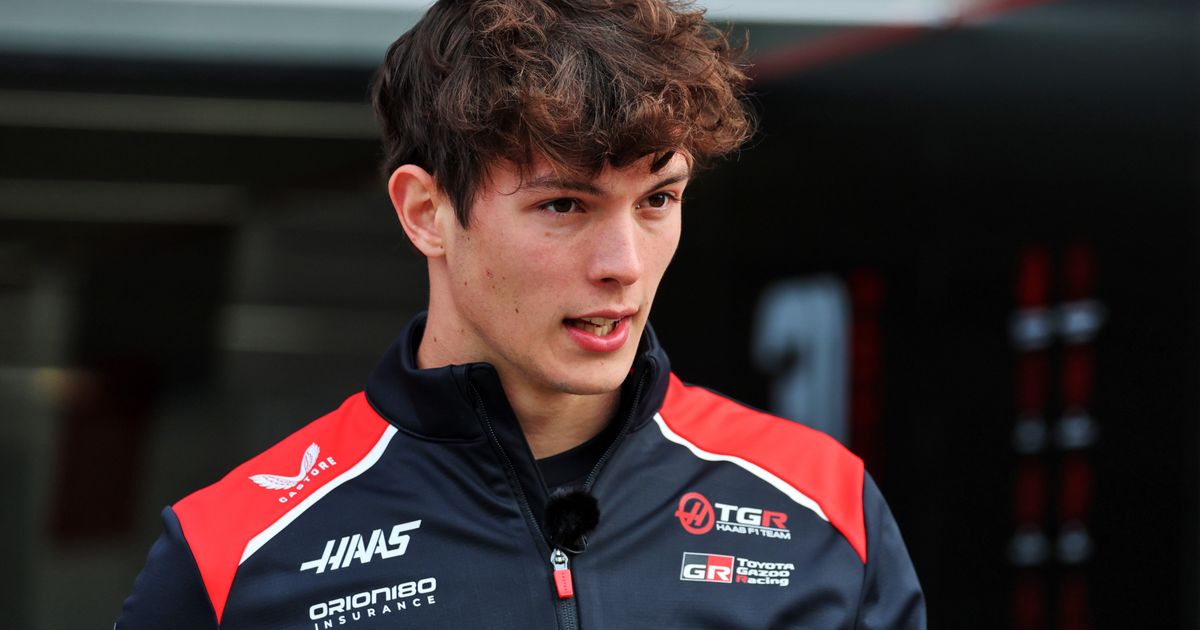
Bearman reassures after 'freak' high-speed crash in Japan, highlights new F1 safety concern
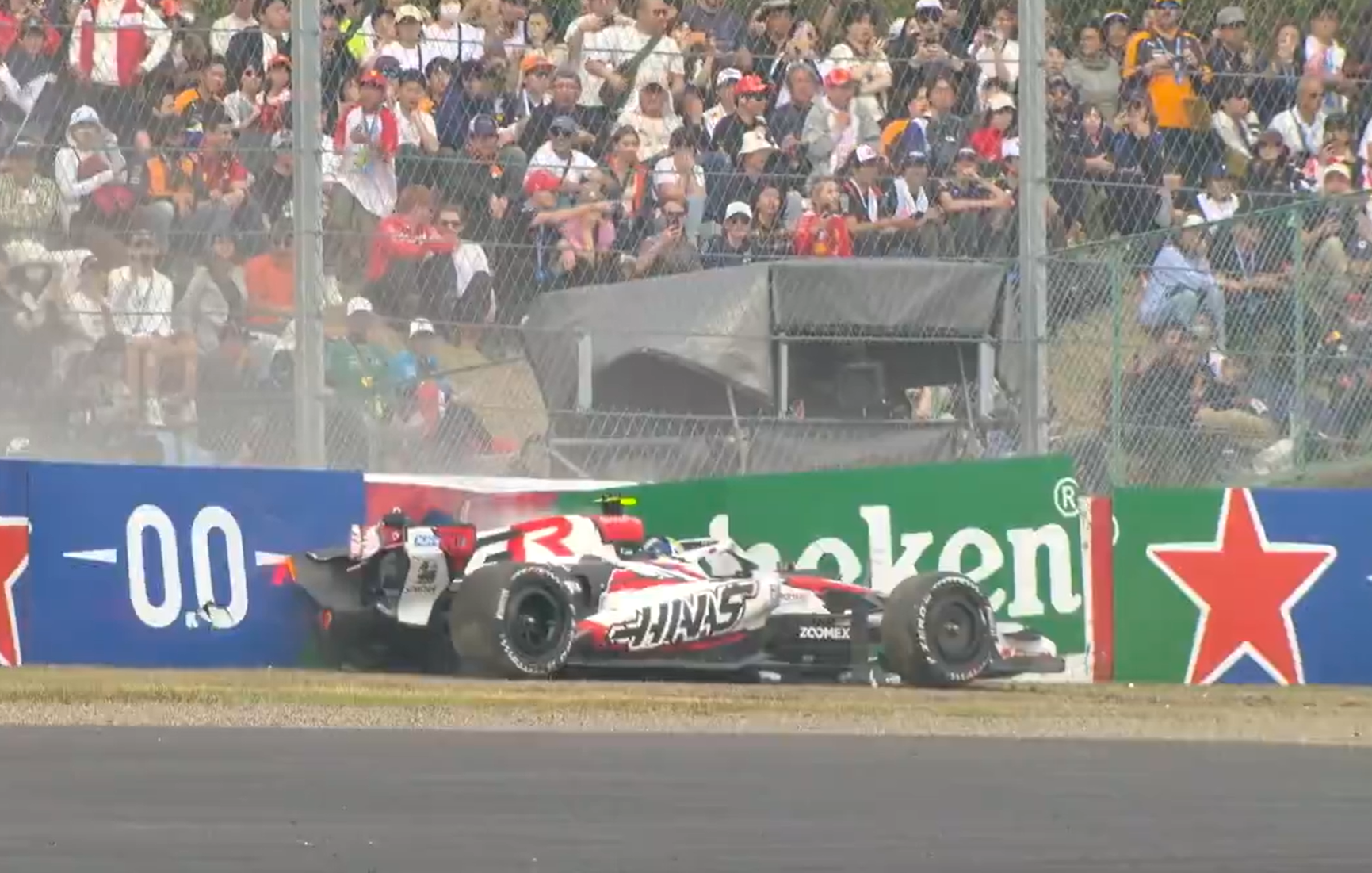
Haas rookie Oliver Bearman confirmed he is physically unharmed after a terrifying high-speed crash with Franco Colapinto during the Japanese Grand Prix, an incident he attributed to an unprecedented 50 kph speed difference under F1's new regulations. The young Briton apologized to his team and joined a chorus of drivers warning that such 'massive deltas' in closing speed, a byproduct of the current power unit and energy recovery rules, are creating dangerous and unpredictable racing scenarios that the sport must urgently address.
Why it matters:
This crash has crystallized a growing safety concern among drivers about the extreme speed differentials possible in modern F1, particularly during energy-saving phases. When one car is harvesting energy and another is deploying it on a straight, the closing speeds can be shockingly high, leaving little room for reaction and turning routine overtakes into potential disasters. Bearman's incident serves as a stark warning that the regulations, while designed for sustainability and competition, may have introduced a new and significant risk factor that needs mitigating before a more serious accident occurs.
The details:
- The Incident: Bearman's crash occurred with what he described as a "massive overspeed" of approximately 50 kph (31 mph) relative to Colapinto's car. He felt he was not given sufficient space considering the huge speed difference.
- Driver's Explanation: Bearman called it a "freak accident" due to the "huge closing speed," a scenario he says drivers had warned the FIA about just days prior in a Friday briefing. He emphasized this level of speed delta is unprecedented in F1's history until these recent regulations.
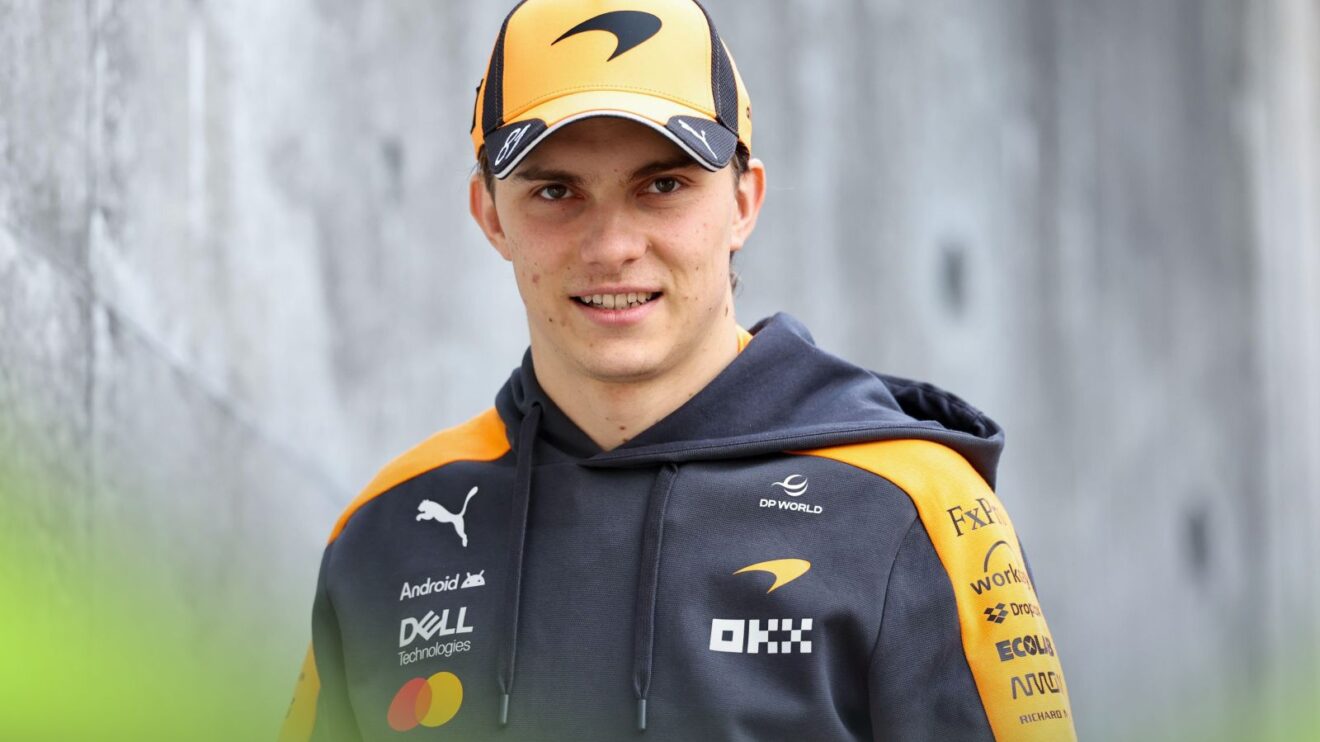
- Peer Reactions: Other drivers acknowledged the inherent danger. Kimi Antonelli noted the situation is "particularly tricky" under the current rules, while Charles Leclerc pointed out that direction changes during heavy energy-saving modes can create perilous situations. Oscar Piastri stated such scenarios were anticipated but have no simple fix, and drivers are still in a learning phase.
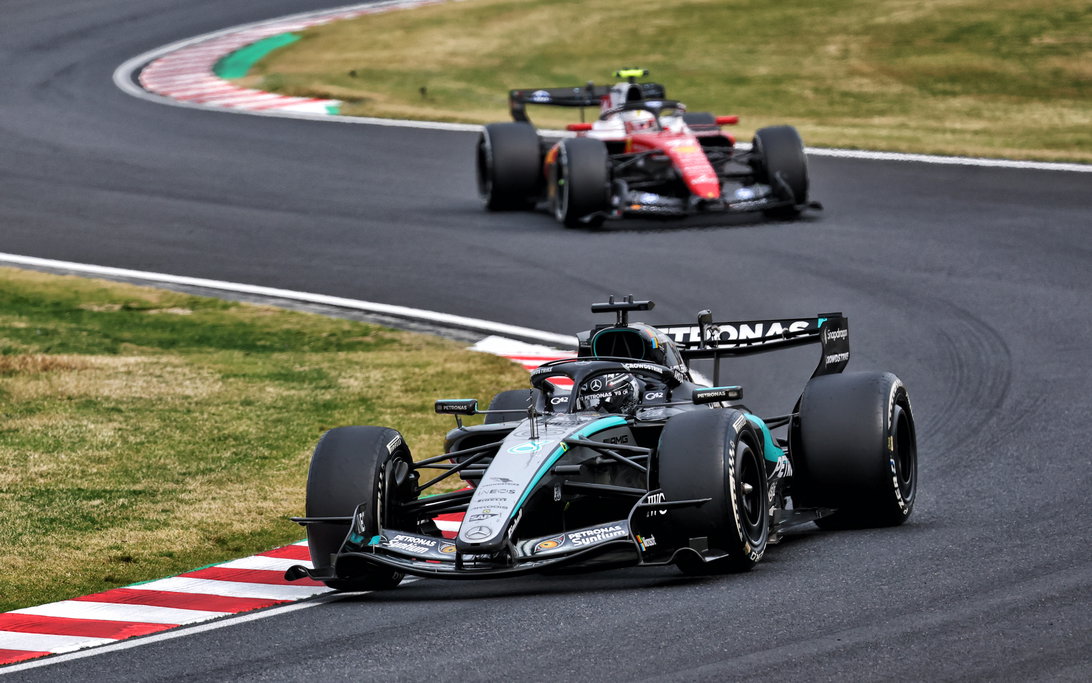
- Regulation Culprit: The root cause is linked to the 2026-era power unit regulations, which emphasize aggressive energy recovery and deployment. Cars can be in vastly different modes—one harvesting energy and moving slowly, another deploying full power—creating sudden, massive gaps in speed on straights.
What's next:
The FIA is already evaluating potential improvements, with discussions likely to intensify ahead of the Miami Grand Prix. The driver feedback is mixed; while some like Leclerc don't believe a complete regulatory overhaul is needed, there is a clear consensus that adaptations—whether in driving etiquette, track limits, or car systems—are necessary. As Piastri somberly noted, more incidents may be an "unfortunate" part of this adaptation period as drivers and regulators grapple with the new reality of racing with extreme energy management. Bearman's scare has put this issue firmly on the agenda for the sport's governing body.
Original Article :https://www.gpblog.com/en/news/bearman-provides-health-update-after-freak-incide...