



Bearman calls 2026 F1 energy management 'annoying' as Ocon details lift-and-coast reality
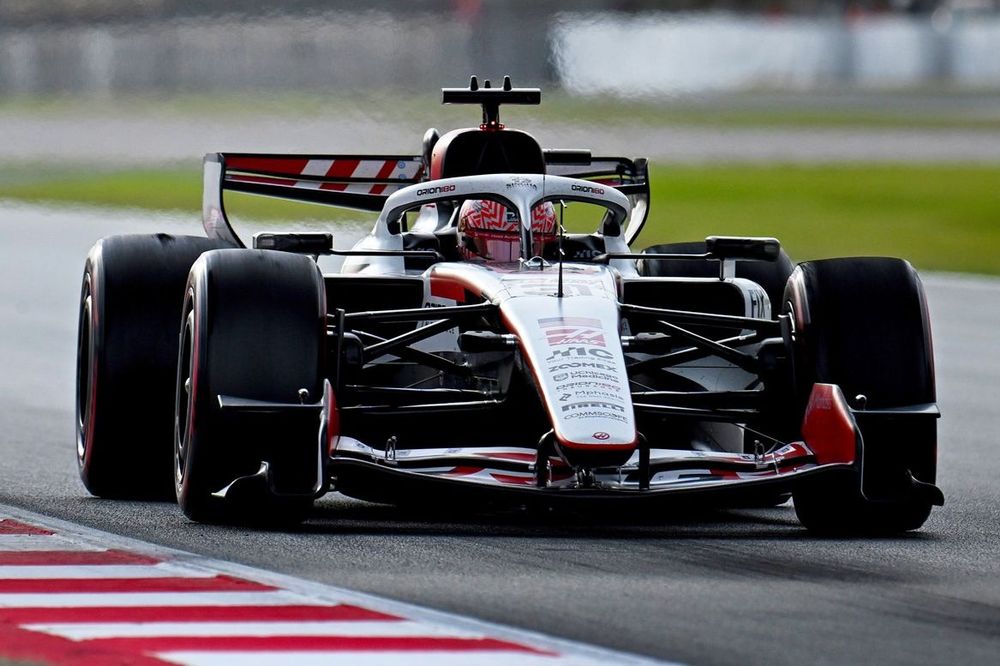
Haas drivers Oliver Bearman and Esteban Ocon have offered a first-hand glimpse into the demanding energy management required by the 2026 Formula 1 cars, with Bearman labeling the experience "annoying" and "sad." The new power units, featuring a near 50/50 split between combustion and electric energy, will force drivers to adopt a counter-intuitive lift-and-coast technique even during qualifying laps to manage battery deployment, a significant shift from current driving styles.
Why it matters:
The 2026 regulations represent the most radical overhaul of the power unit formula in over a decade, aiming for greater sustainability and electrification. How drivers adapt to these new energy constraints will be a fundamental performance differentiator, potentially reshaping race strategies and on-track battles. Early feedback from simulators suggests the driving experience will change profoundly, prioritizing efficiency over pure aggression on the throttle.
The details:
- The 2026 power units mandate a massive increase in electrical energy deployment, harvested under braking. This leads to "clipping," where the battery depletes on long straights, forcing drivers to manage deployment strategically.
- Driver Reactions: Oliver Bearman expressed frustration, calling the required energy management "annoying" and admitting that "feeling it in reality for the first time is a little bit sad."
- New Driving Technique: Esteban Ocon explained that the fastest way to drive involves lifting off the throttle early on straights to optimize energy harvest. He noted it now feels "odd" not to do so, as staying flat would be like "putting the handbrake at the end of the straight."
- Performance Silver Lining: Despite the management challenges, Ocon was impressed by the raw performance, highlighting "insane" acceleration and top speed. He reported reaching 355 km/h on Barcelona's main straight due to a full deployment run, a sensation he called "crazy" and unprecedented in his F1 career.
What's next:
The Barcelona simulation provided only a preliminary taste. As teams develop their 2026 chassis and refine power unit software, the exact driving techniques and strategic implications will become clearer. The consensus is that overtaking could become more difficult, placing a premium on qualifying position and strategic energy use during races. The adaptation curve for drivers, especially newcomers, will be steep, making pre-season testing in 2026 more critical than ever.
Original Article :https://www.motorsport.com/f1/news/f1-2026-energy-management-annoying-sad-driver...