




F1 race starts set to become more unpredictable in 2026
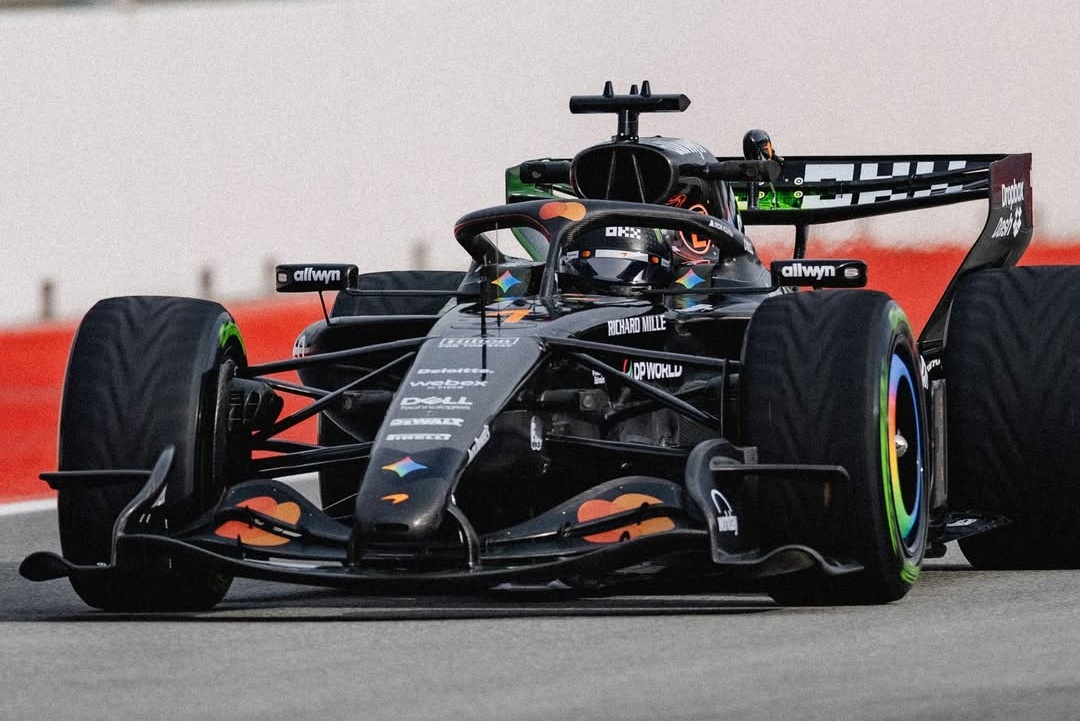
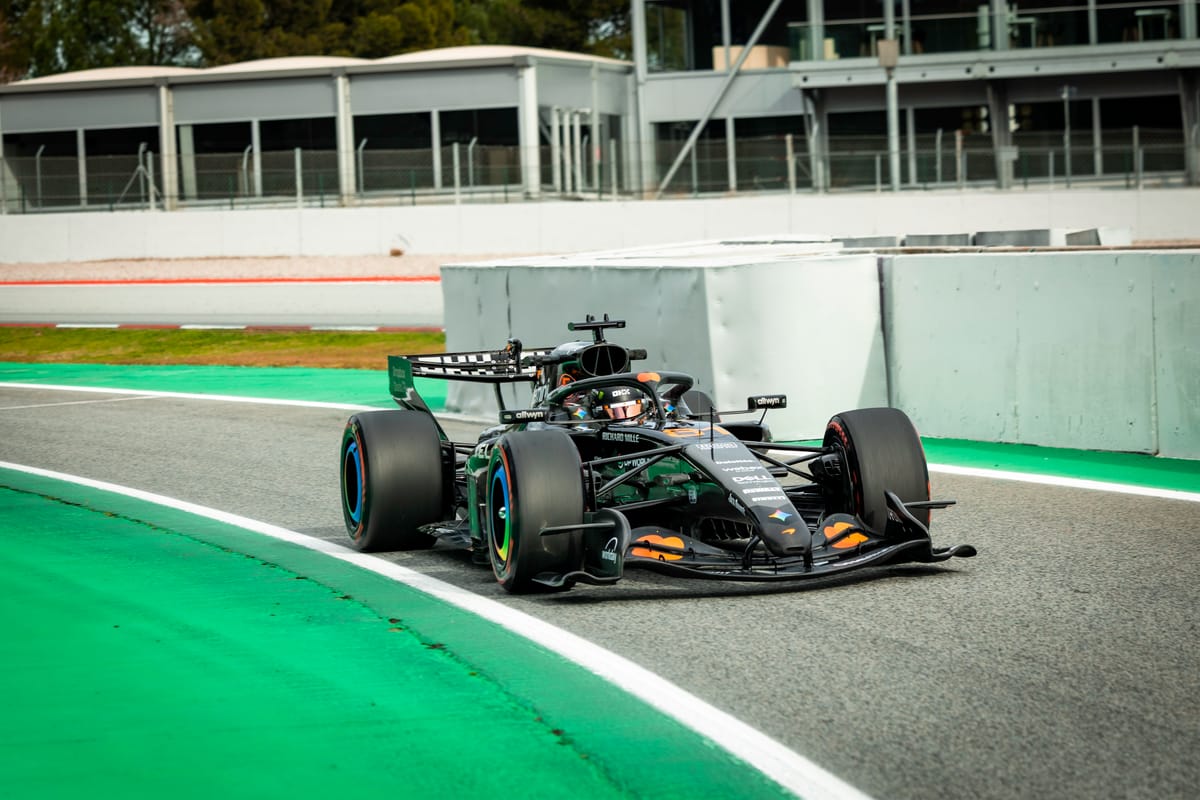
Formula 1 race starts are poised to become significantly more challenging and inconsistent in 2026, as drivers grapple with the combined impact of new power unit hardware, strict energy management, and a fresh technical regulation. Early testing in Barcelona revealed visibly clunky getaways, a stark contrast to the refined launches of the previous generation, with drivers like Lando Norris confirming the increased difficulty from the cockpit.
Why it matters:
The race start is one of the most critical moments in Grand Prix racing, offering a prime opportunity for overtaking and setting the strategic tone for the entire event. Making this phase more variable and driver-dependent could lead to more dramatic opening laps and shake up grid order, directly impacting race results and championship battles from the very first corner.
The details:
Three key factors are converging to complicate the launch procedure:
- Loss of the MGU-H: The removal of the Motor Generator Unit-Heat eliminates a crucial tool that previously spooled the turbo instantly, filling power gaps and ensuring consistent acceleration from a standstill.
- A new MGU-K restriction: A pivotal 2026 technical regulation (Article 5.2.12) now prohibits drivers from using the MGU-K's battery power for acceleration until the car reaches 50 km/h during a standing start. This removes the electrical "safety net" for imperfect launches.
- Energy conservation dilemma: Even after 50 km/h, drivers are reluctant to use precious battery energy to compensate for turbo lag. With the 2026 cars being energy-starved, depleting the battery early could leave a driver defenseless on the following straight or vulnerable for the rest of the lap, as noted by Haas driver Ollie Bearman.
Drivers are now forced to rely solely on high, sustained engine revs to pre-spin the turbo while on the grid—a technique that appears less refined and more inconsistent. Any mistake in balancing revs, clutch release, and turbo speed cannot be corrected electrically until well after the launch.
What's next:
Perfecting the race start will become a high-stakes, practiced art in 2026. Teams will invest heavily in simulator work and practice starts to find the optimal technique. This increased difficulty level will test driver skill more than ever, potentially creating bigger gaps between the best and the rest on the grid when the lights go out, and adding a new layer of strategic risk to the opening seconds of every Grand Prix.
Original Article :https://www.the-race.com/formula-1/why-f1-race-starts-are-about-to-get-a-lot-les...