



Aston Martin's Late Realization on Honda PU State
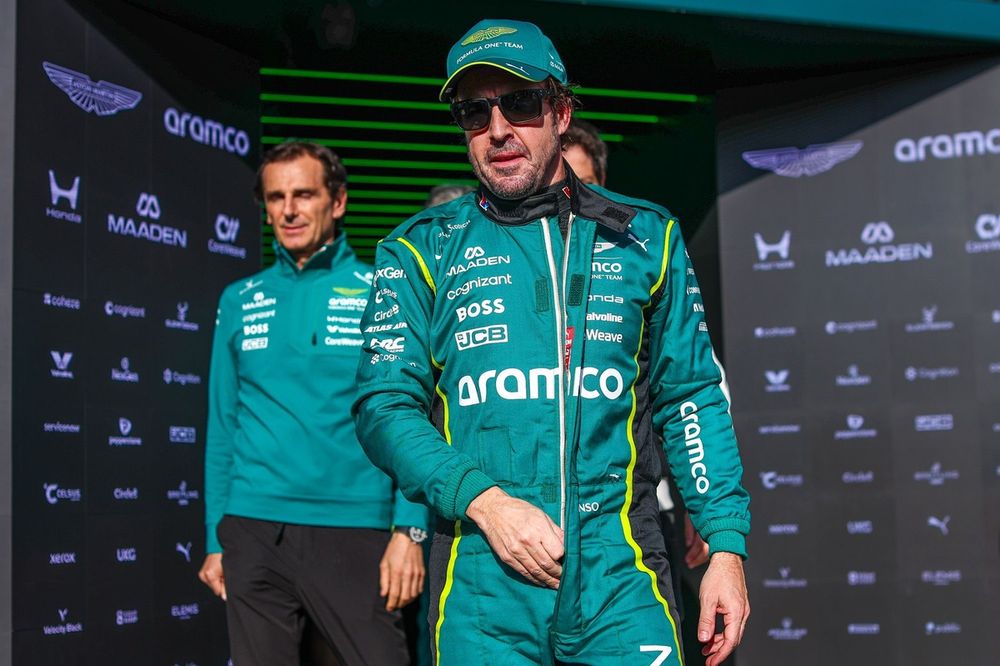
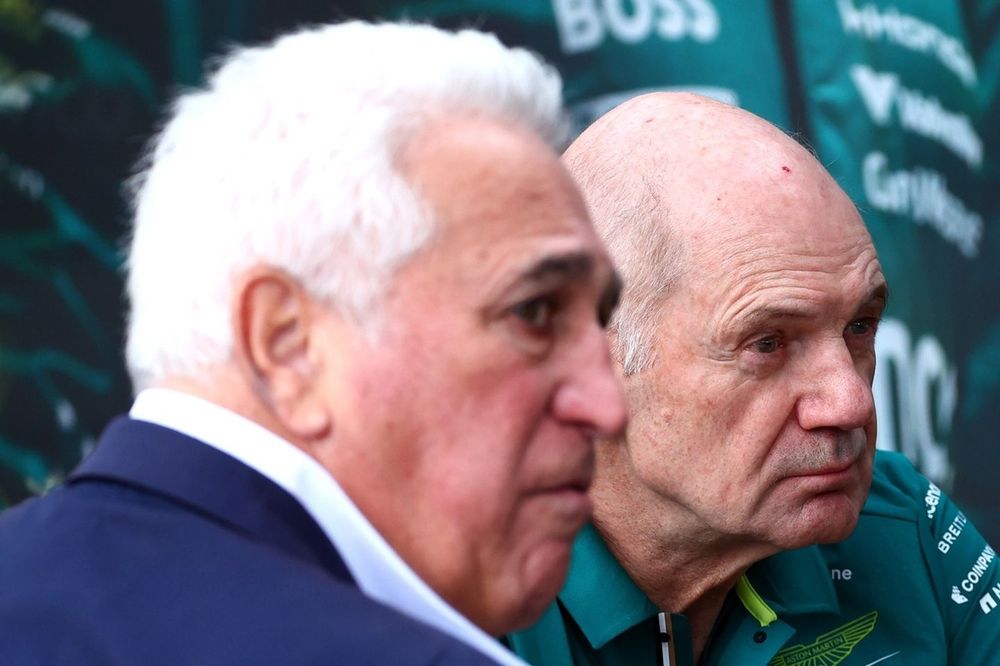
Aston Martin's high-profile partnership with Honda for the 2026 Formula 1 season began with a significant revelation: the team's leadership, including Adrian Newey, only learned in November 2025 that Honda's revived F1 project was in a vastly different state than during its dominant Red Bull era, lacking many original personnel. This late discovery, stemming from what Honda calls a "misunderstanding," highlights a critical communication gap that emerged after the deal was formally announced in May 2023, despite Aston Martin's insistence the situation is nuanced and affected by its own leadership changes.
Why it matters:
This episode underscores the immense risk and complexity of long-term technical partnerships in F1's hyper-competitive environment. A power unit is the heart of a car's performance, and entering a binding agreement without full visibility into a partner's operational capacity and timeline can jeopardize years of competitive development. For Aston Martin, a team with championship aspirations fueled by massive investment and the recruitment of stars like Newey, starting a new regulatory cycle on the back foot due to partner readiness could be a costly setback.
The details:
- The Timeline Gap: The partnership was announced in May 2023, but Aston Martin's key figures became aware of Honda's challenges only in November 2025, following a meeting in Tokyo prompted by rumors the engine would not hit its original power target for the season opener.
- Honda's "Misunderstanding": Honda Racing Corporation president Koji Watanabe attributes the situation to a "misunderstanding," explaining that the company's policy of rotating engineers to other divisions (like mass production, aerospace, and renewables) meant many from the successful Red Bull era did not return to the F1 project when it restarted.
- Rebuilding Takes Time: Watanabe admitted that stopping F1 activities at the end of 2021 and restarting in 2023 created a gap. Rebuilding the specialized organization and expertise took longer than anticipated, a reality Aston Martin could not have fully known when signing the initial deal.
- Simulation vs. Reality: A key technical hurdle emerged where vibration levels were acceptable on Honda's dyno (test bench) but became "much more" severe once the power unit was integrated into the actual Aston Martin chassis. This integration issue necessitates extremely close collaboration to solve, targeting both the engine and chassis.
What's next:
Despite the rocky start, both parties emphasize the working relationship is now strong and collaborative. The immediate focus is a dual challenge: solving acute reliability issues for the current season and unlocking the full performance potential of the power unit for 2026 and 2027.
- The success of this partnership is now a race against time. Aston Martin needs a competitive and reliable power unit to validate its massive infrastructure and personnel investments.
- For Honda, delivering on its promise to a works team is crucial for its F1 reputation post-Red Bull. The coming months will test whether the current "quite good" collaboration can overcome the foundational delays and technical hurdles to produce a winning package.
Original Article :https://www.motorsport.com/f1/news/did-aston-martin-discover-hondas-f1-issues-la...