



Aston Martin's Honda Vibration Fix Works, But Pace Remains a Chasm
Summary
After a nightmare start to the 2026 season with constant retirements, Aston Martin’s joint fix with Honda appears to have solved vibration issues. Both cars finished in Miami, but the AMR26 is still 1.2 seconds off the pace.
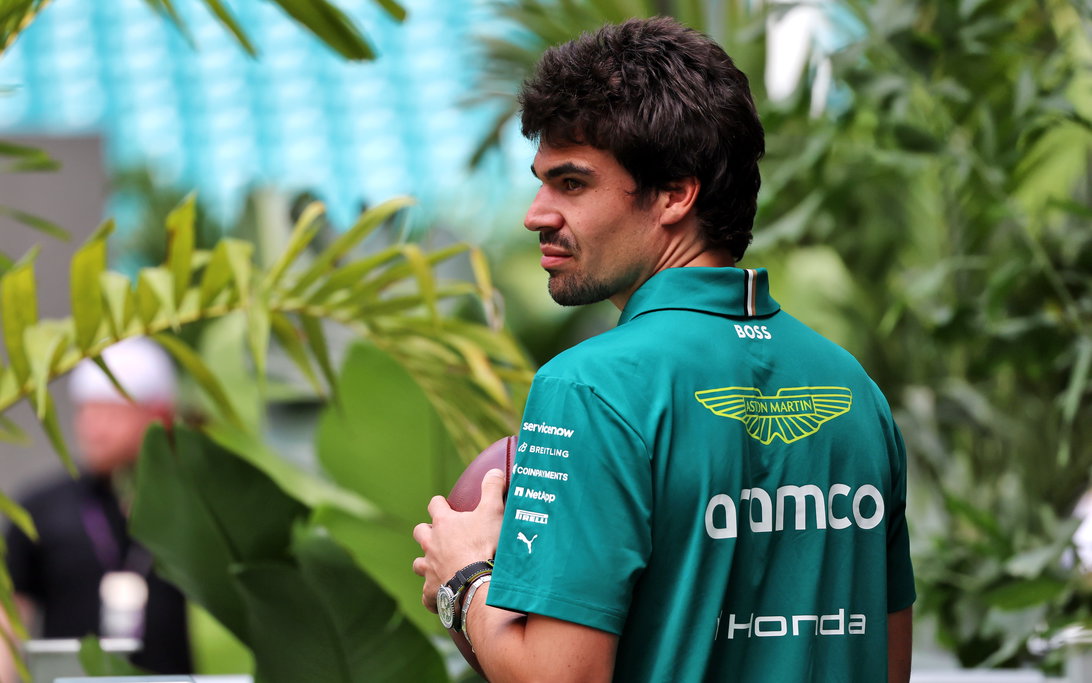
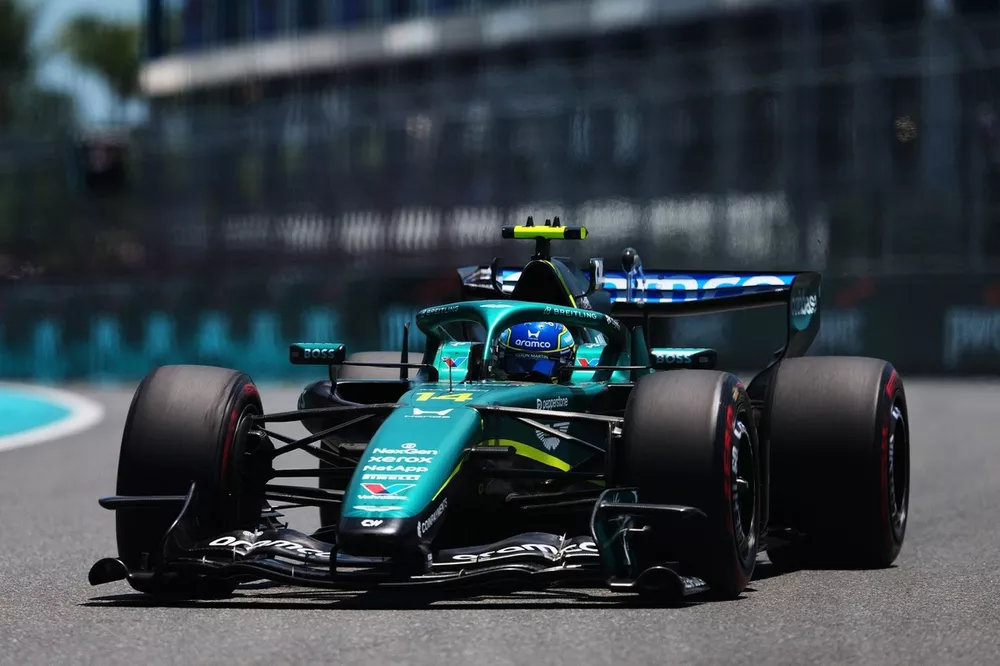
Aston Martin's switch to Honda power units was nearly catastrophic early in 2026, with vibrations repeatedly damaging batteries and forcing four retirements in the first three grands prix. But after a five-week break where one AMR26 remained in Japan for dyno testing, the Miami Grand Prix brought real progress: both cars finished the sprint and the main race without major vibration issues.
Why it matters:
The reliability fix salvages Aston Martin's partnership with Honda after a disastrous start, but the team remains anchored to the back of the grid. Without a massive performance leap, they risk being a permanent tail-ender.
The details:
- Vibration root cause: The Honda power unit generated vibrations that spread into the chassis, causing battery damage and driver numbness. Countermeasures from both sides were required.
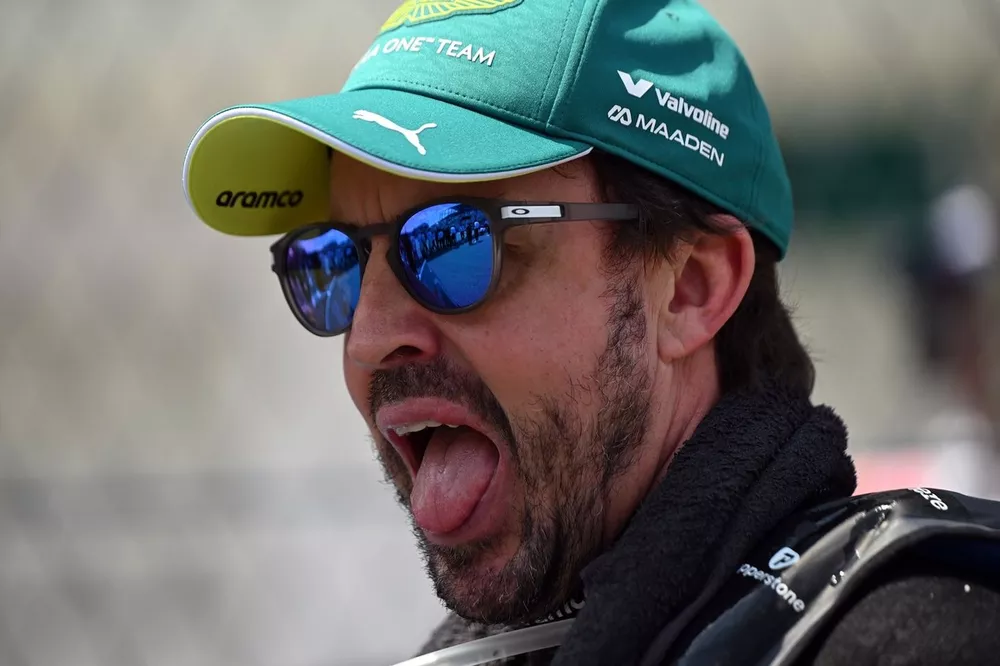
- Miami breakthrough: Fernando Alonso reported no vibrations on Sunday, while Lance Stroll noted “less vibrations.” Both cars completed full race distance.
- Performance gap: Alonso and Stroll qualified 18th and 19th, respectively, 1.2 seconds off the Q2 cutoff. A gearbox issue caused “random downshifts” for Alonso.
- No small upgrades: The team has paused bringing parts. Alonso explained: “Until we have a 1.5s or two-second improvement, it's better not to press the button in production.”
What's next:
- Honda and Aston Martin will now focus on optimizing data settings for energy management and drivability.
- The next major upgrade package is not expected before the summer break, as the team needs a big jump to escape the bottom.
- “There is still a lot of room to improve on our power unit,” said HRC's Shintaro Orihara, hinting at performance gains still to come.
Original Article :https://www.motorsport.com/f1/news/aston-martin-honda-provide-update-on-f1-power...