





Aston Martin's Four-Month F1 Setback Explained
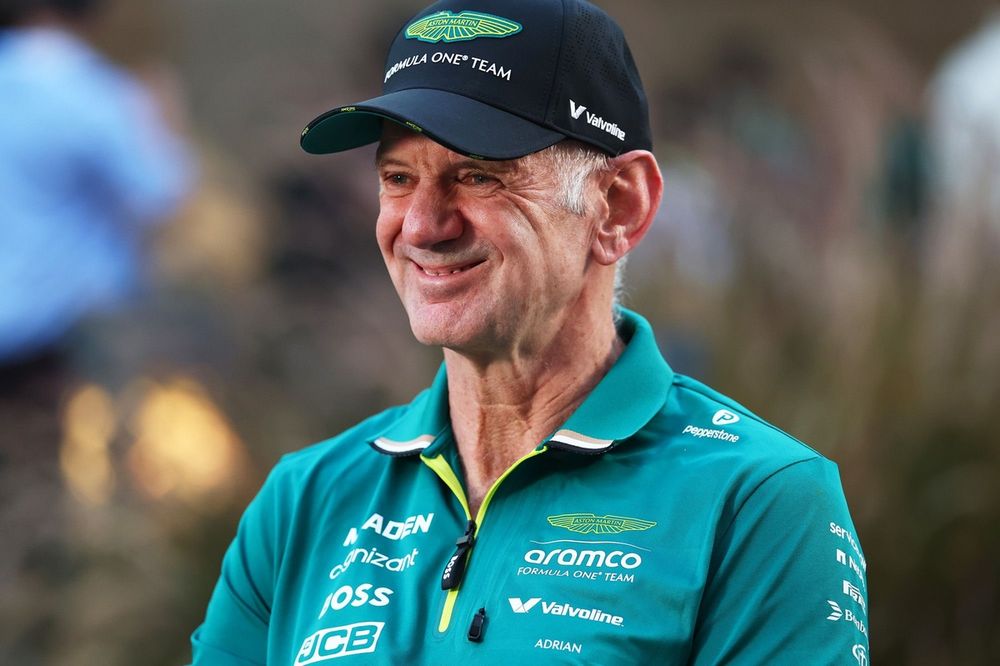
Aston Martin's delayed start to 2026 pre-season testing was the result of a four-month lag in its aerodynamic development program, stemming from infrastructure delays and the unique challenge of simultaneous chassis and power unit regulation changes. Chief Technical Officer Adrian Newey revealed the team did not get its '26 car model into the new CoreWeave Wind Tunnel until mid-April, putting it significantly behind rivals who began work in January.
Why it matters:
The compressed development cycle puts Aston Martin on the back foot for the critical launch season of F1's new technical era. With both chassis and power unit rules changing together for the first time, starting behind schedule is a major handicap in a development war where early understanding is paramount. It tests the team's new structure, including Newey's integration since joining last March, under intense pressure.
The Details:
- Newey confirmed the CoreWeave Wind Tunnel at the AMR Technology Campus was not operational until April 2025, while most competitors had their tunnels running in January.
- This delay meant Aston Martin missed the first three months of permitted aerodynamic testing for the 2026 car, a crucial period for establishing a design philosophy.
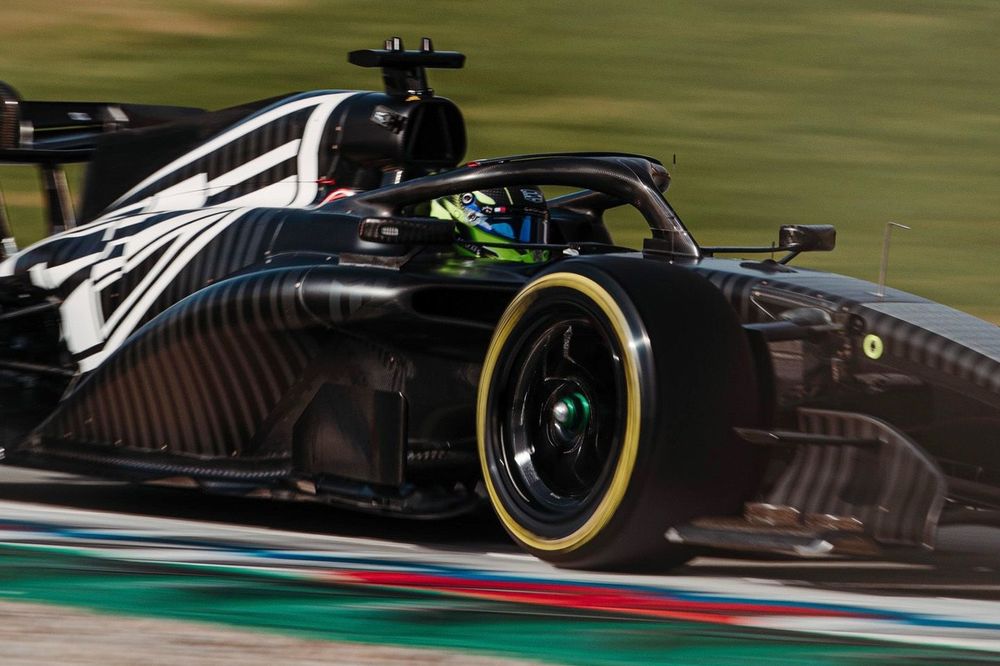
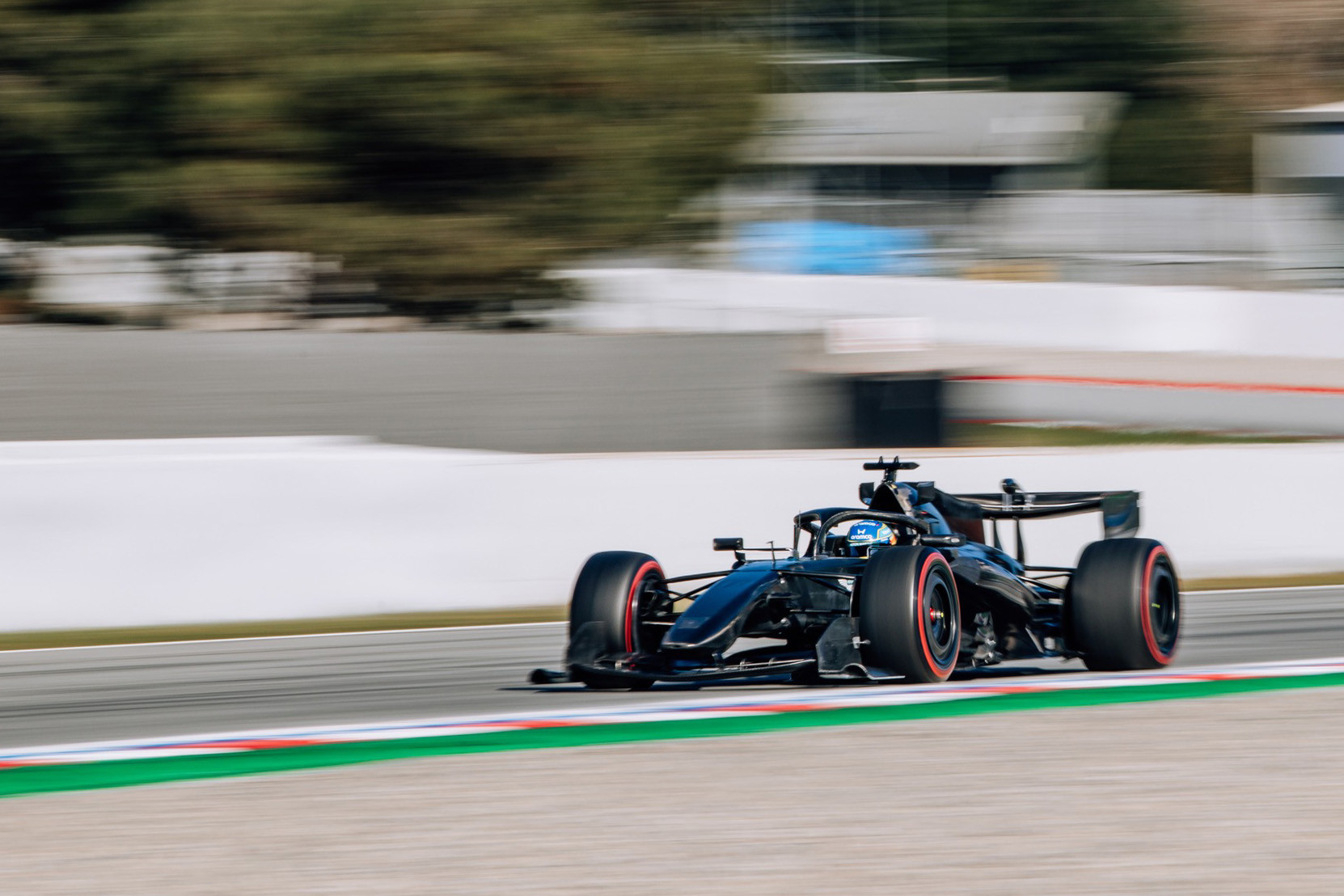
- The knock-on effect was a "very, very compressed research and design cycle," forcing the team to rush to complete the AMR26 in time for a single day of shakedown running in Barcelona, instead of a potential three.
- Newey joined the team in March 2025, meaning his influence on the fundamental concept of the AMR26 was also integrated under this tight timeframe.
The Big Picture:
Newey acknowledges the unique challenge of the 2026 rules reset but sees a potential silver lining. He pointed out that the previous generation of ground-effect cars (2022-2025) had become "quite difficult to drive," with the Aston Martin being a "particular example of that." The new regulations offer a clean slate to design a more drivable car from the outset, aiming to give drivers Fernando Alonso and Lance Stroll a platform from which they can consistently extract performance.
What's Next:
The car seen in Barcelona is merely a starting point. Newey stressed the AMR26 will undergo "significant changes" before the season opener in Melbourne and evolve substantially throughout the year. He described the team's bold design approach—noting "quite a few features that haven't necessarily been done before"—as a committed choice made due to the compressed timeline. With an "open mind" required for development, the season will be a test of whether Aston Martin's chosen path, born from necessity, is the correct one to climb the grid in the new era.
Original Article :https://speedcafe.com/f1-news-2026-adrian-newey-on-aston-martin-shakedown-delay-...