





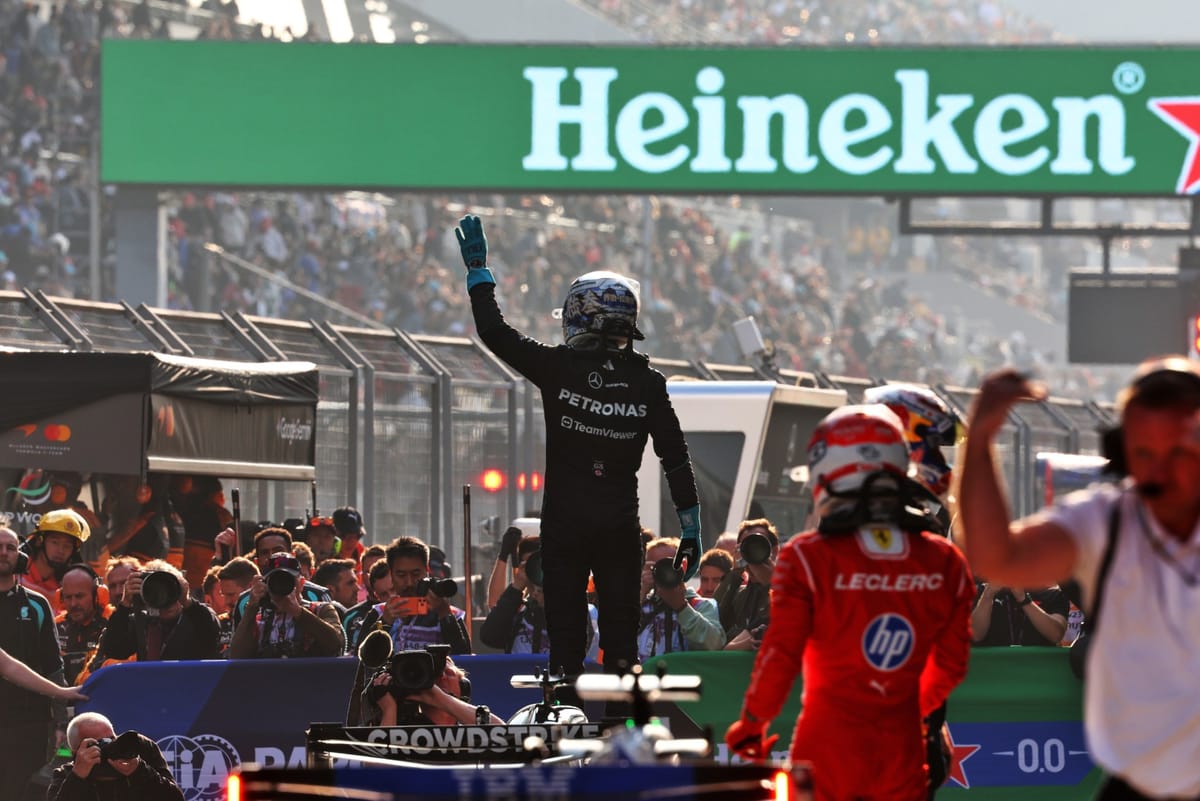
2026 F1's first sprint qualifying reveals new competitive order
The first sprint qualifying of Formula 1's 2026 era at the Chinese Grand Prix dramatically reshuffled the expected competitive order, with Red Bull struggling for pace, Mercedes showing a clear power unit advantage, and McLaren appearing more competitive than in the season opener. The session highlighted the ongoing challenges of the new energy management regulations, with significant performance trade-offs visible around the Shanghai circuit.
Why it matters:
This session provides the first true glimpse of the 2026 pecking order on a more conventional circuit than Melbourne, revealing which teams have best adapted to the complex new power unit and energy recovery rules. The struggles of reigning champions Red Bull and the emergence of Mercedes' straight-line speed advantage signal a potential shift in the competitive hierarchy early in this new regulatory era.
The Details:
- Red Bull's Struggles: The team endured what Max Verstappen called a "disaster" day, with the car suffering from severe understeer and a fundamental lack of cornering performance. Verstappen barely made SQ3 and described the car as unresponsive, particularly through the technical Turn 11-13 complex.
- Mercedes' Power Edge: Data indicates Mercedes holds a clear advantage in energy deployment on Shanghai's long back straight. The works Mercedes cars showed significantly less 'super clipping' (intentional speed reduction to recharge the battery) than rivals like Ferrari and Red Bull, translating to a substantial straight-line speed benefit.
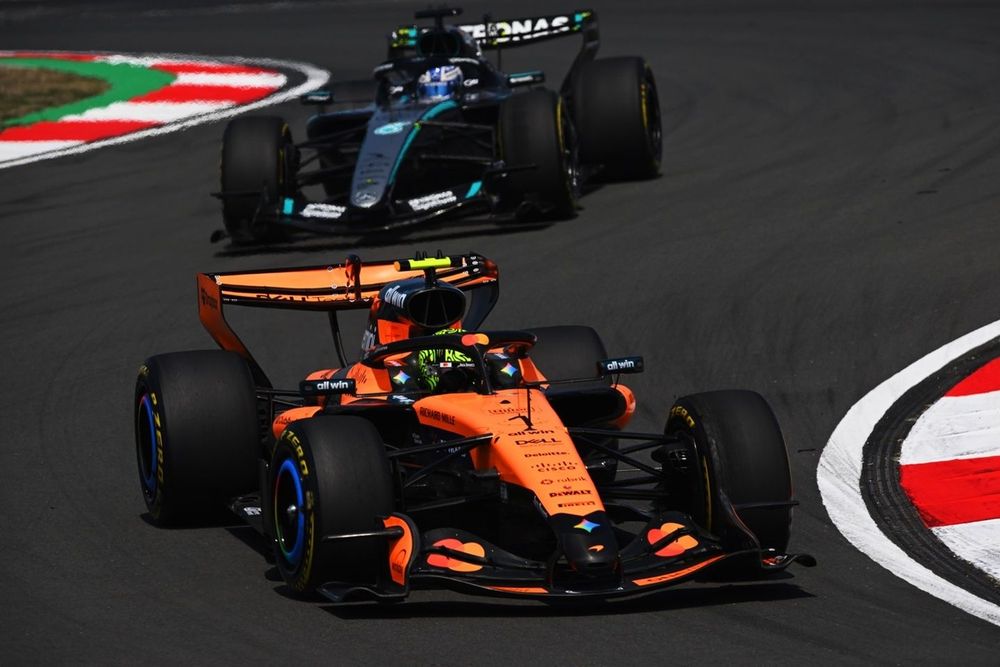
- McLaren's Step Forward: Lando Norris qualified third, beating both Ferraris, and the team was collectively "pleased" with its step forward from Bahrain. Norris suggested the more straightforward power unit demands of Shanghai helped mitigate some of the team's operational knowledge gap compared to the works teams.
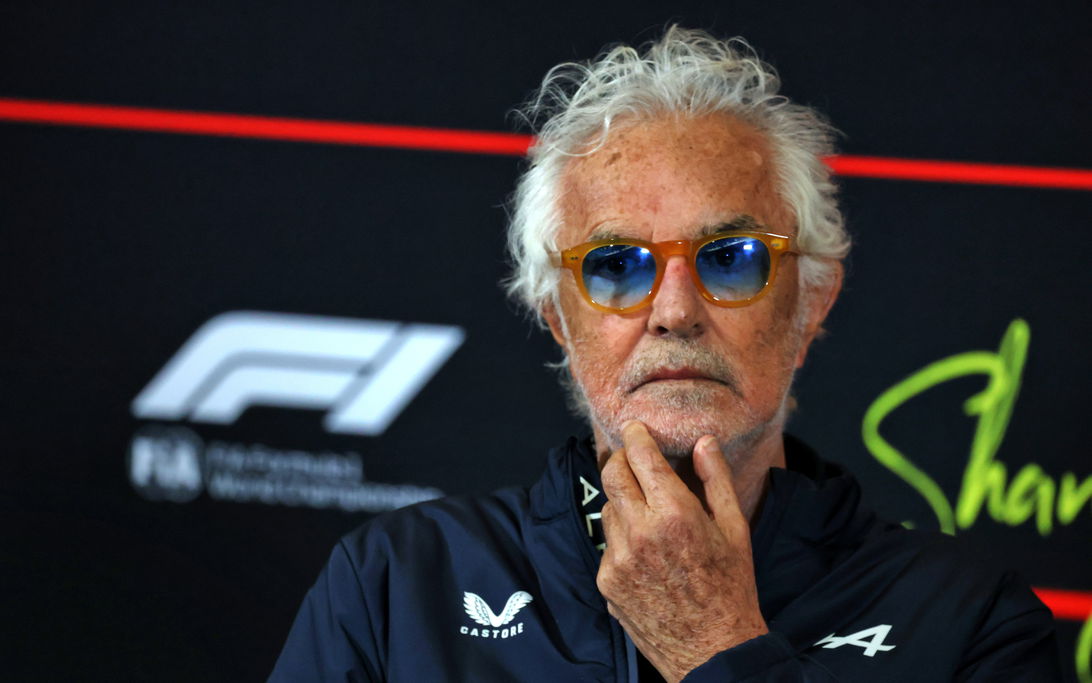
- Alpine's Recovery: After a "very weak" showing in Melbourne, Alpine showed much stronger form, with Pierre Gasly qualifying seventh and ahead of both Red Bulls. The team appears to have unlocked more performance from its Mercedes customer power unit.
- Back-Marker Woes: Cadillac suffered a disastrous day with a recurring fuel pump issue sidelining Sergio Perez and a separate problem hampering Valtteri Bottas. Williams also appeared cast adrift from the midfield, with both cars eliminated in SQ1, exposing the car's fundamental weaknesses.
The Big Picture:
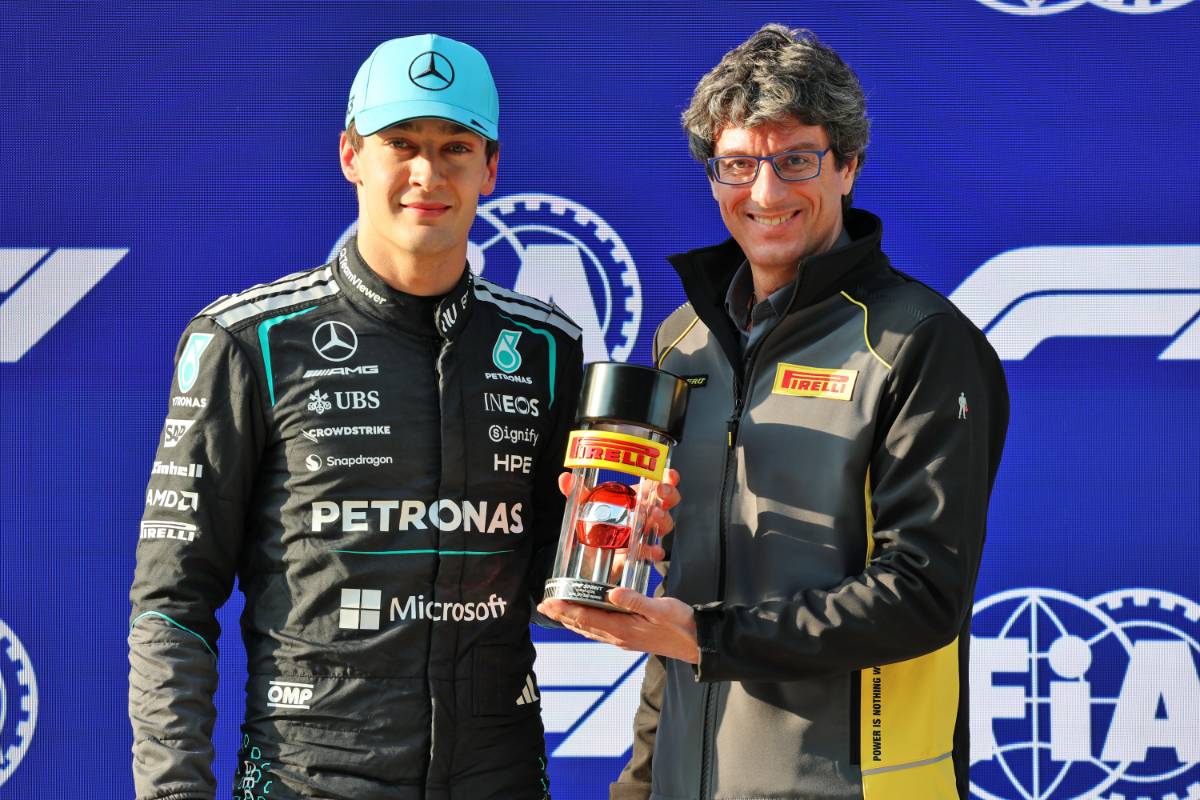
The 2026 cars are already closing the gap to their predecessors, with George Russell's pole time just 0.671s off the 2025 benchmark. This demonstrates rapid development and understanding of the new regulations. However, the session also confirmed that significant performance compromises remain, with cars visibly slowing on straights and through fast corners to manage energy, a spectacle the new rules were partly designed to address.
What's Next:
The focus shifts to the sprint race and Grand Prix qualifying, where race pace and tire management on Shanghai's graining-prone surface will provide another crucial data point.
- Ferrari has parked its innovative new rear wing after a "premature" FP1 debut but remains confident in its race pace relative to McLaren.
- Red Bull has a chance to adjust its setup after the sprint, with technical director Pierre Wache admitting its chosen configuration did not work.
- Teams like Cadillac and Williams face urgent weekends of problem-solving to avoid being permanently anchored at the back of the grid.
Original Article :https://www.the-race.com/formula-1/things-we-learned-f1-2026-chinese-gp-sprint-q...