


Wolff urges patience as F1 holds course on new regulations
Amid a growing debate over Formula 1's new technical rules, the sport's leadership is sticking to its planned evaluation timeline and will not make any immediate changes. The decision follows the Chinese Grand Prix and underscores a deliberate, data-driven approach despite sharply divided opinions from drivers about the quality of racing under the new regulations.
Why it matters:
The early season has exposed a fundamental tension in F1's latest regulatory era: balancing thrilling, close racing with the perceived purity of driver skill. How the FIA and F1 manage this feedback—whether through intervention or patience—will set the tone for the competitive and sporting character of the next few seasons. Rushing changes could create unintended consequences, but ignoring valid criticism risks alienating key stakeholders, including the drivers themselves.
The details:
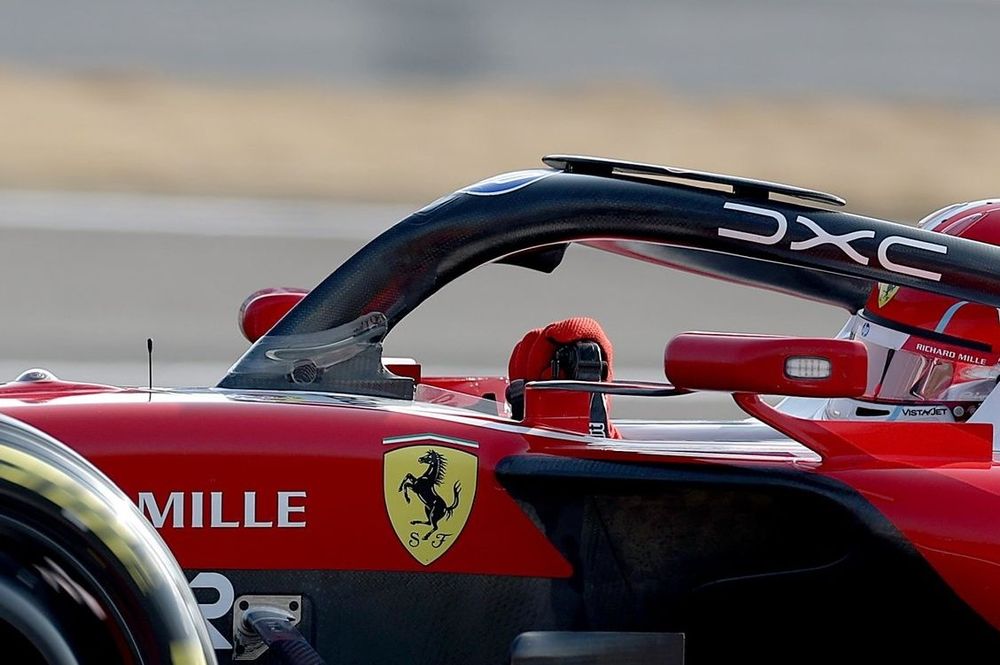
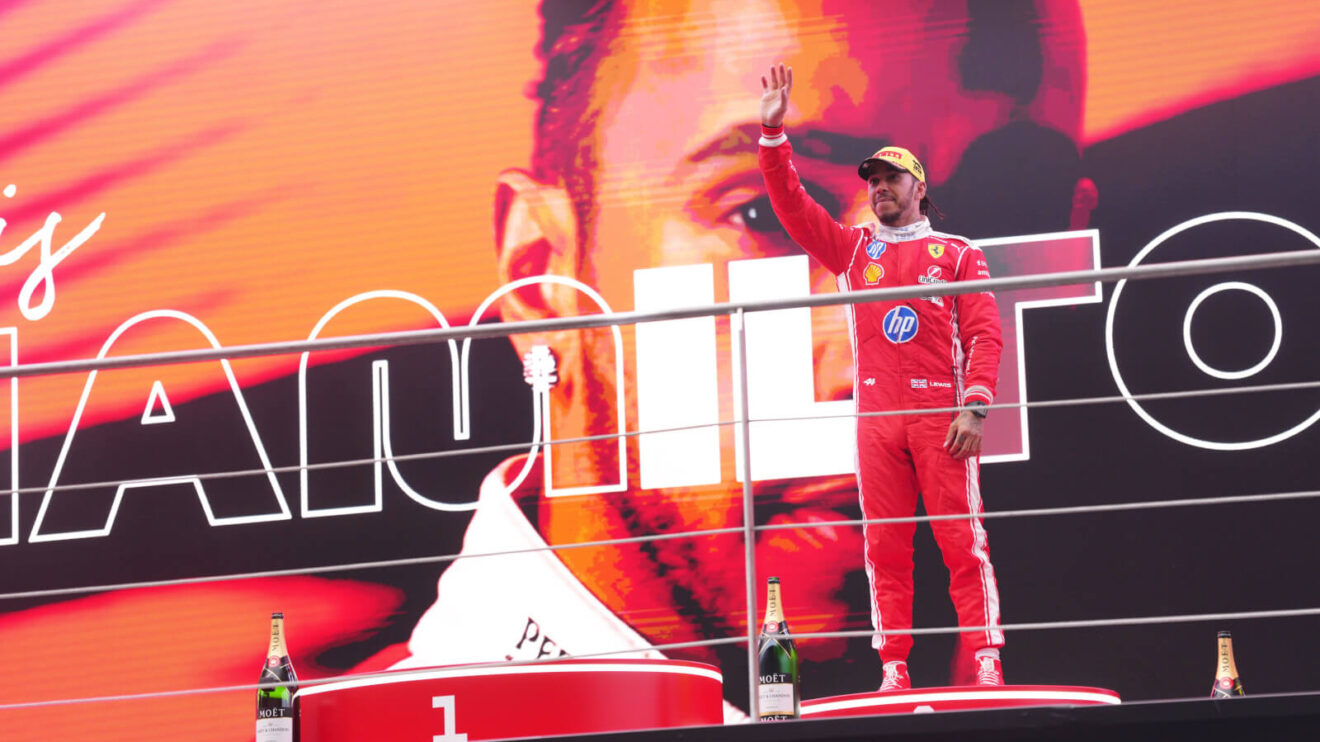
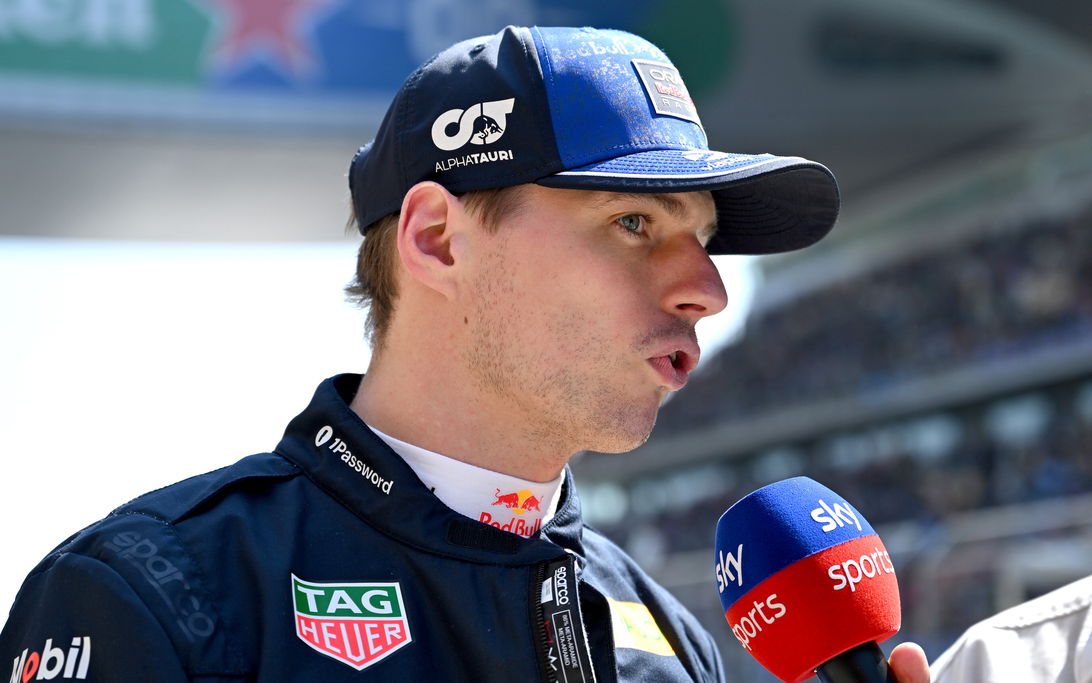
- A Divided Grid: Driver opinion is split. Lewis Hamilton, after a podium in Shanghai, called the racing some of the best of his career, praising the wheel-to-wheel intensity. In contrast, rivals like Max Verstappen and Fernando Alonso have criticized an overemphasis on energy and battery management, suggesting it feels artificial and detracts from pure racing instinct.
- The 'No Knee-Jerk' Philosophy: Despite the debate, there is broad agreement among teams and officials that the racing product does not yet warrant emergency changes. Toto Wolff pointed to fan engagement as a key metric, stating, "all the indicators say, and all the data say, that people love it." This reflects a conscious effort to avoid reactive rule changes that have backfired in the past.
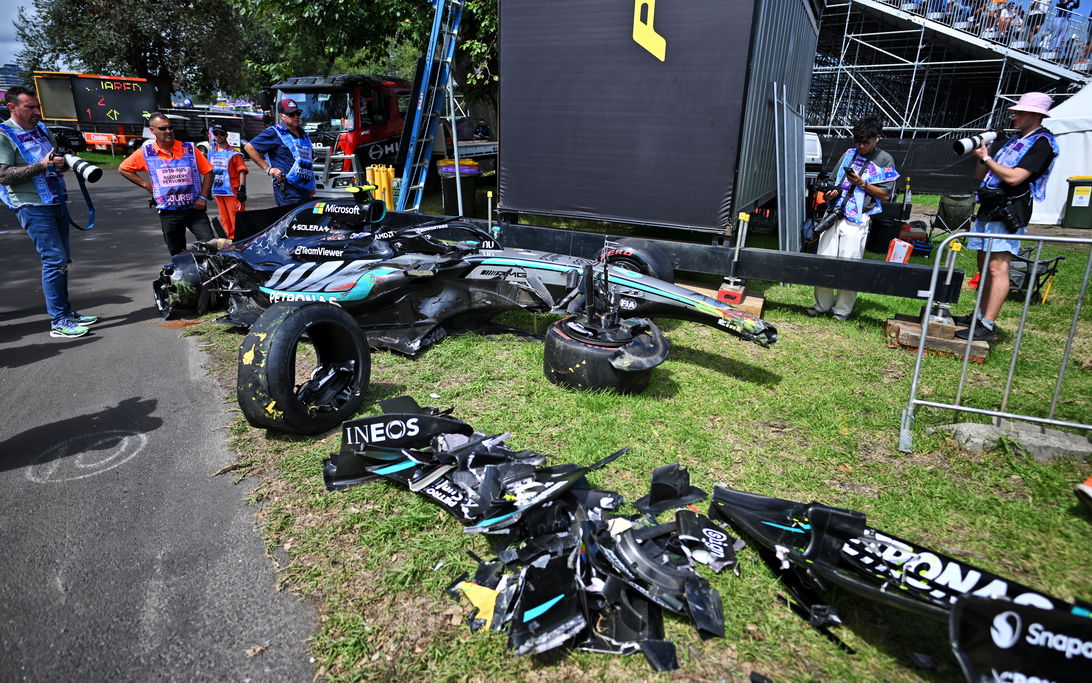
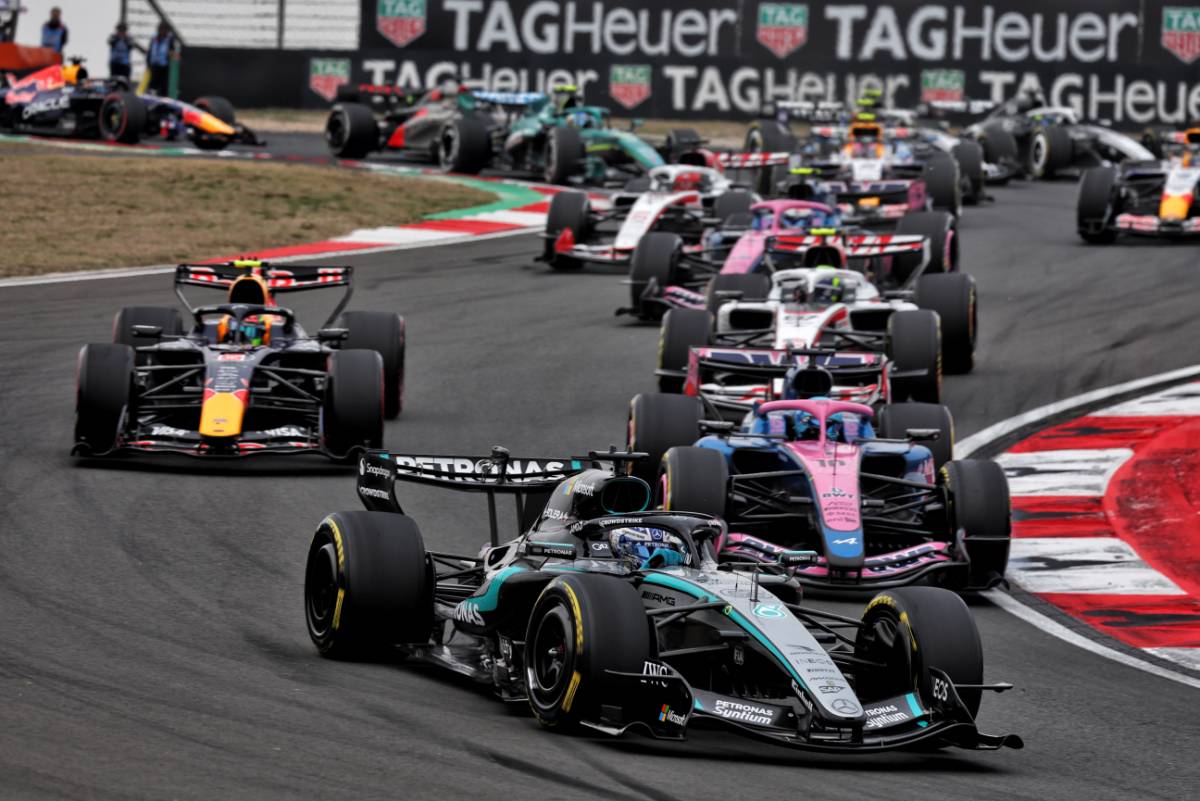
- Context from China: The Chinese Grand Prix complicated the narrative. Unlike Melbourne, where extreme energy-saving was prevalent, Shanghai's layout allowed for better energy recovery, reducing the need for conspicuous lift-and-coast tactics. This highlighted how track characteristics significantly influence the racing under the new rules, justifying the call for more data.
- The Political Undercurrent: Any potential regulatory tweak is viewed through a competitive lens as performance gaps emerge. Wolff acknowledged this, noting his Mercedes is a winning-capable car and anticipating, "what kind of political knives are going to come out." This adds a layer of complexity to any future discussions about rule refinements.
What's next:
The focus now shifts to the Japanese Grand Prix, which will serve as another critical data point, not a trigger for change. A deeper analysis is planned after the Suzuka event, with several potential adjustments around energy deployment and harvesting already under theoretical consideration. The sport's leadership is choosing observation over intervention, signaling that while the debate is active, the current regulations will remain in place at least through the next race as F1 seeks a clearer picture before the Miami Grand Prix.
Original Article :https://f1i.com/news/561411-people-love-it-wolff-urges-patience-as-f1-holds-cour...