


Max Verstappen's F1 criticism: A double-edged sword for the sport
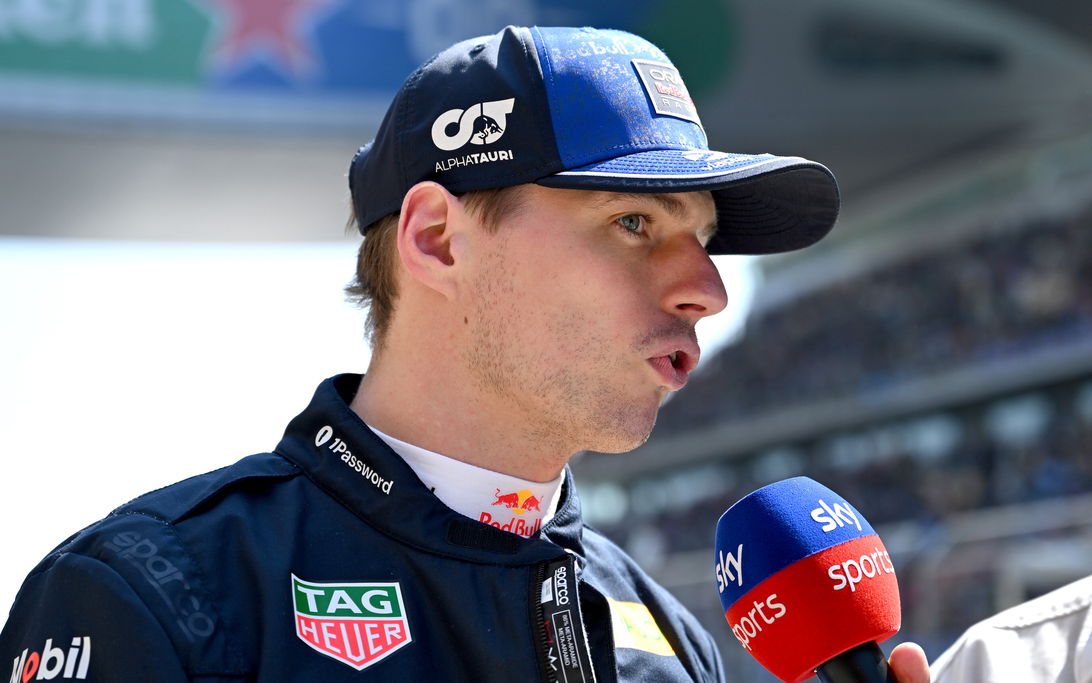
Max Verstappen's frequent and blunt public criticism of Formula 1's direction creates a fundamental tension between the sport's commercial ambitions and its racing soul. While his comments challenge Liberty Media's entertainment-focused strategy, they also resonate with purist fans and act as a crucial check against the sport becoming a fully scripted spectacle.
Why it matters:
As the sport's dominant champion, Verstappen's voice carries unparalleled weight. His critiques—labeling the sport as "artificial" or comparing it to "Mario Kart"—directly challenge the glossy, Americanized entertainment product that F1's owners are building for a new generation of fans. This creates a unique dynamic where the face of the sport is also one of its most vocal internal critics, forcing a constant debate about F1's core identity.
The details:
- The Business Conflict: Liberty Media has invested heavily to transform F1 into a global entertainment brand, targeting fans attracted by Drive to Survive and glamour. Verstappen's down-to-earth criticism, appealing to traditionalists, can undermine this marketing narrative by questioning the product's authenticity.
- The Authenticity Shield: In a paddock often filled with rehearsed PR statements, Verstappen's honesty is valued by many fans. He acts as a moral compass, using his champion status to say what other drivers cannot, preventing F1 from "completely degenerating into a choreographed show."
- Personal Image Impact: For Verstappen, the 'damage' is minimal. His criticism is viewed as a sign of authenticity rather than pure negativity, reinforcing his image as a driver solely focused on pure competition.
- A Necessary Tension: The article argues the criticism is less harmful to the sport itself and more a challenge to Liberty Media's specific business model. This creates a healthy balance: the owners provide growth and investment, while the champion guards the essence of racing.
Between the lines:
The underlying threat is not Verstappen's words, but the potential for his actions. The real damage to F1 would occur if he ever decided to leave the sport, finding a more suitable "podium" for his talent elsewhere. This unspoken possibility gives his current criticisms added gravity, as he represents both the pinnacle of F1's competition and its most credible potential loss. The situation underscores that both parties need each other—F1 needs a dominant champion, and Verstappen needs the world's premier racing stage—but the relationship is maintained through a fragile, publicly negotiated understanding of what F1 should be.
Original Article :https://racingnews365.com/how-damaging-is-verstappens-criticism-to-f1