





Wolff defends 2026 F1 rules after Miami tweaks
Following targeted tweaks to the 2026 technical regulations at the Miami Grand Prix, Mercedes Team Principal Toto Wolff delivered a strong defense of the new rules, stating that anyone complaining about the racing product "should hide." The changes, aimed at addressing early criticism of the new car generation, appeared to yield a more dynamic and unpredictable race on Sunday.
Why it matters:
The 2026 season represents Formula 1's most radical regulatory shift in years, introducing smaller, lighter cars powered by hybrid units with a near 50/50 split between electric and combustion power. Initial races were met with driver complaints about excessive "lift and coast" driving and artificial overtaking, threatening the core spectacle of the sport. The swift implementation of mid-season tweaks and Wolff's subsequent endorsement signal a proactive approach from stakeholders to refine the formula before criticism becomes entrenched.
The details:
- The primary pre-Miami complaints centered on energy management. Drivers had to extensively lift off the throttle and use aggressive "super clipping" (maximizing energy recovery under braking) to ensure sufficient battery charge per lap, reducing flat-out racing.
- In response, the FIA enacted two key changes for Miami:
- Increasing the super clipping limit to the full 350 kilowatts, making the cars' speed profile more predictable for following drivers.
- Lowering the energy harvesting limit in qualifying from eight to seven megajoules, theoretically making qualifying laps more on the limit, even if slightly slower.
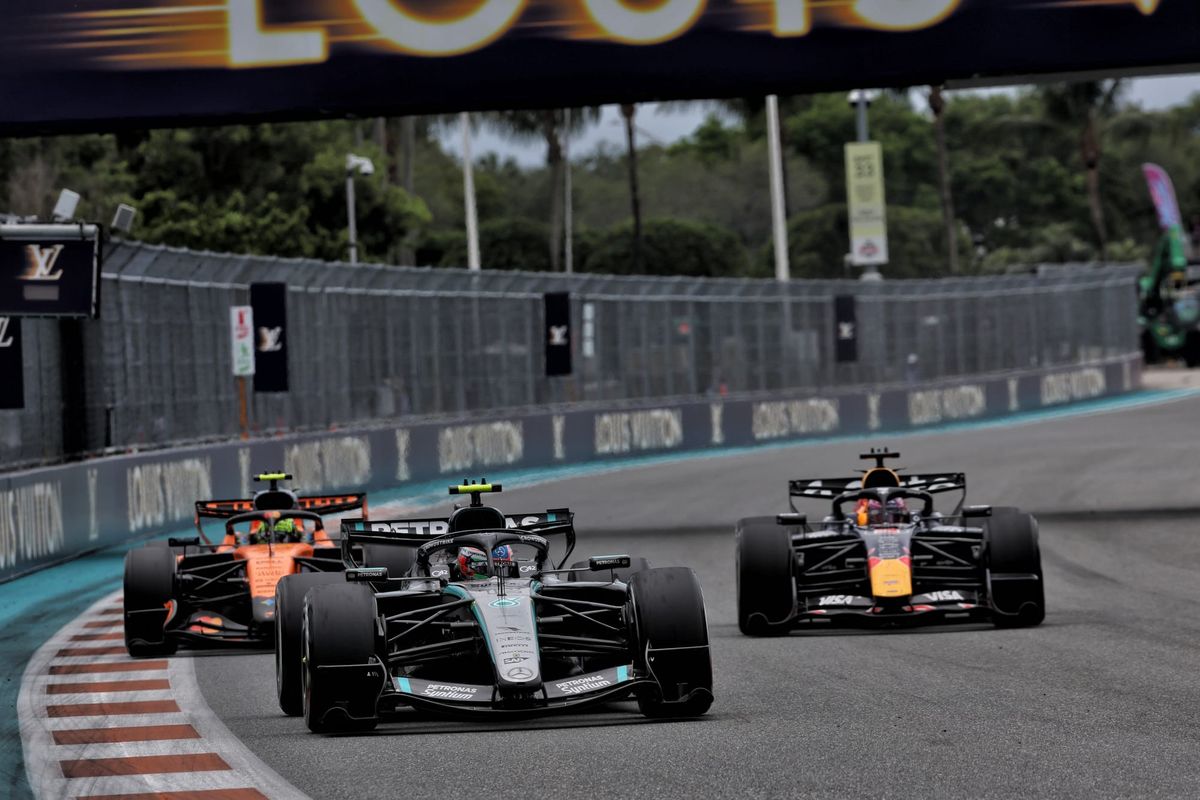
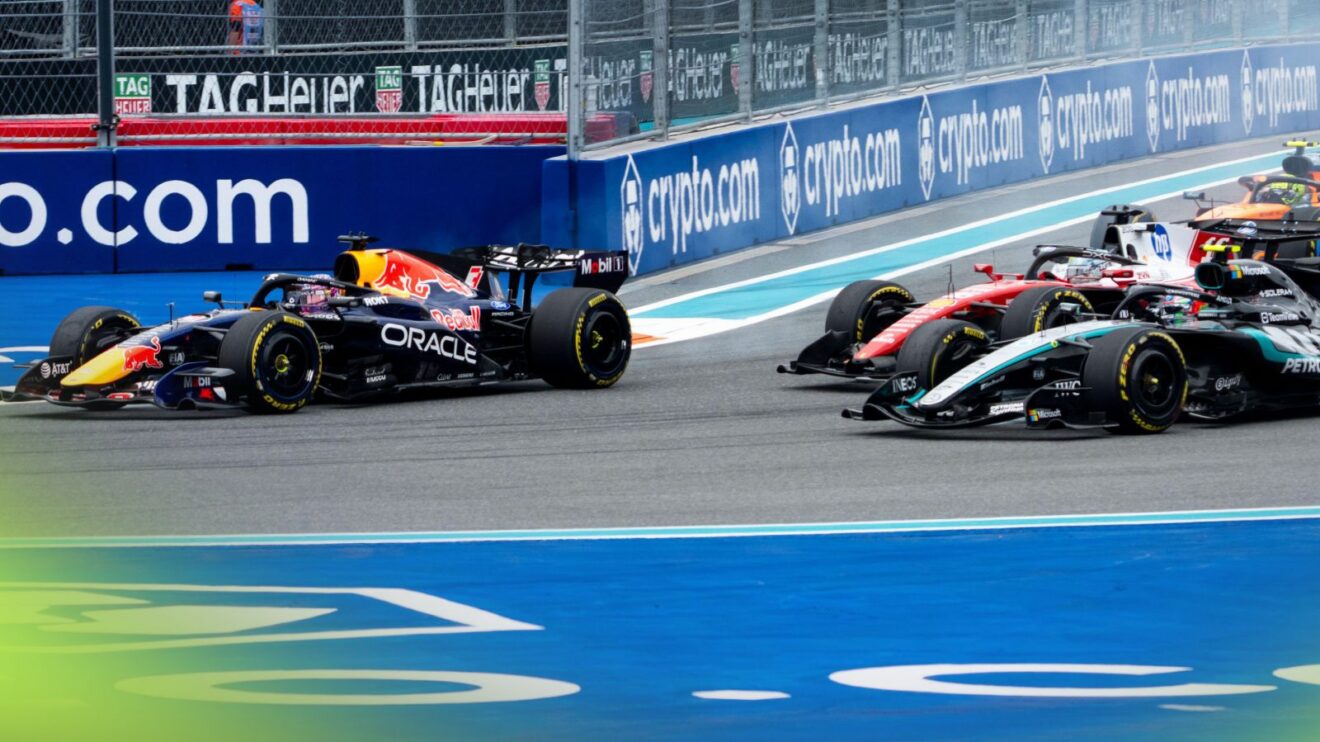
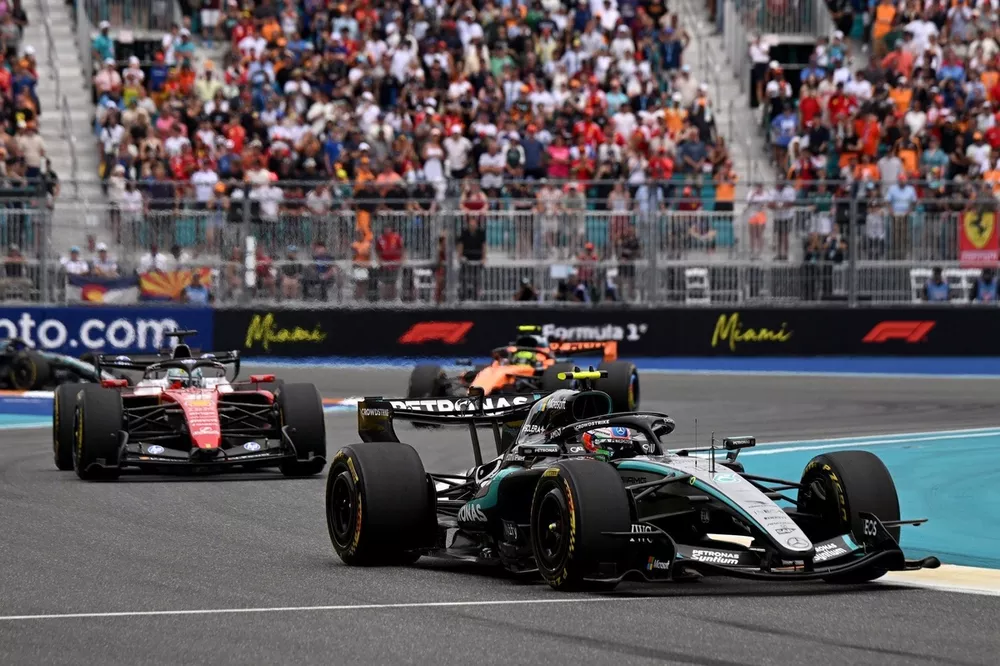
- Wolff pointed to Miami's specific layout as less energy-intensive but hailed the race—featuring a fight for the lead and intense midfield battles—as "great advertising for Formula 1."
- Despite the recent tweaks, discussions are already underway about more fundamental changes for 2027, including potentially shifting the power unit split to 60% hybrid/40% electric.
What's next:
Wolff and other team principals advocate for a measured, long-term approach to further evolution. While open to mid-term optimizations, they emphasize the need for sufficient lead time for any major regulation changes.
- Wolff specifically suggested exploring more powerful straight-line speed modes ("SM modes") to enhance overtaking opportunities as a potential future tweak.
- The focus for now remains on gathering data from the revised 2026 rules package across different circuit types to assess their effectiveness fully. The debate highlights the constant balancing act in F1 between technological ambition, sporting fairness, and entertainment value.
Original Article :https://www.motorsport.com/f1/news/why-toto-wolff-thinks-f1-2026-critics-should-...