




Drivers remain critical of 2026 F1 rules despite Miami tweaks
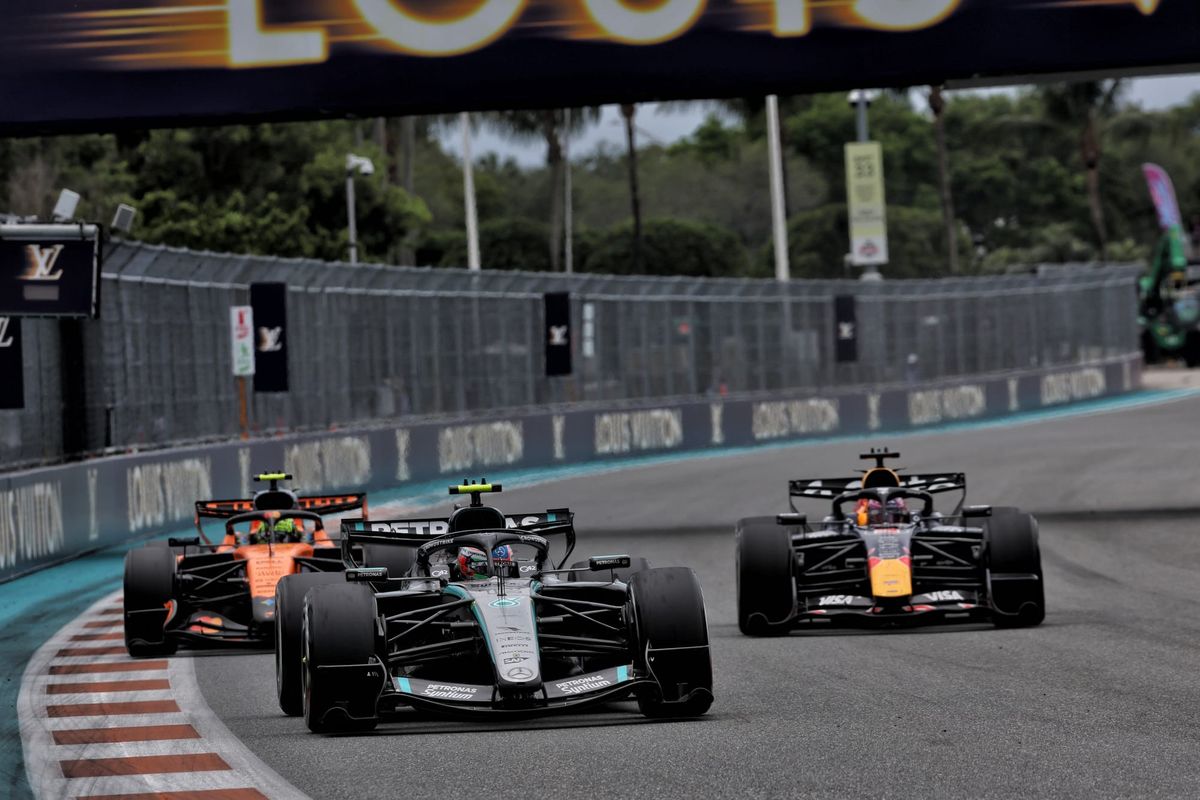
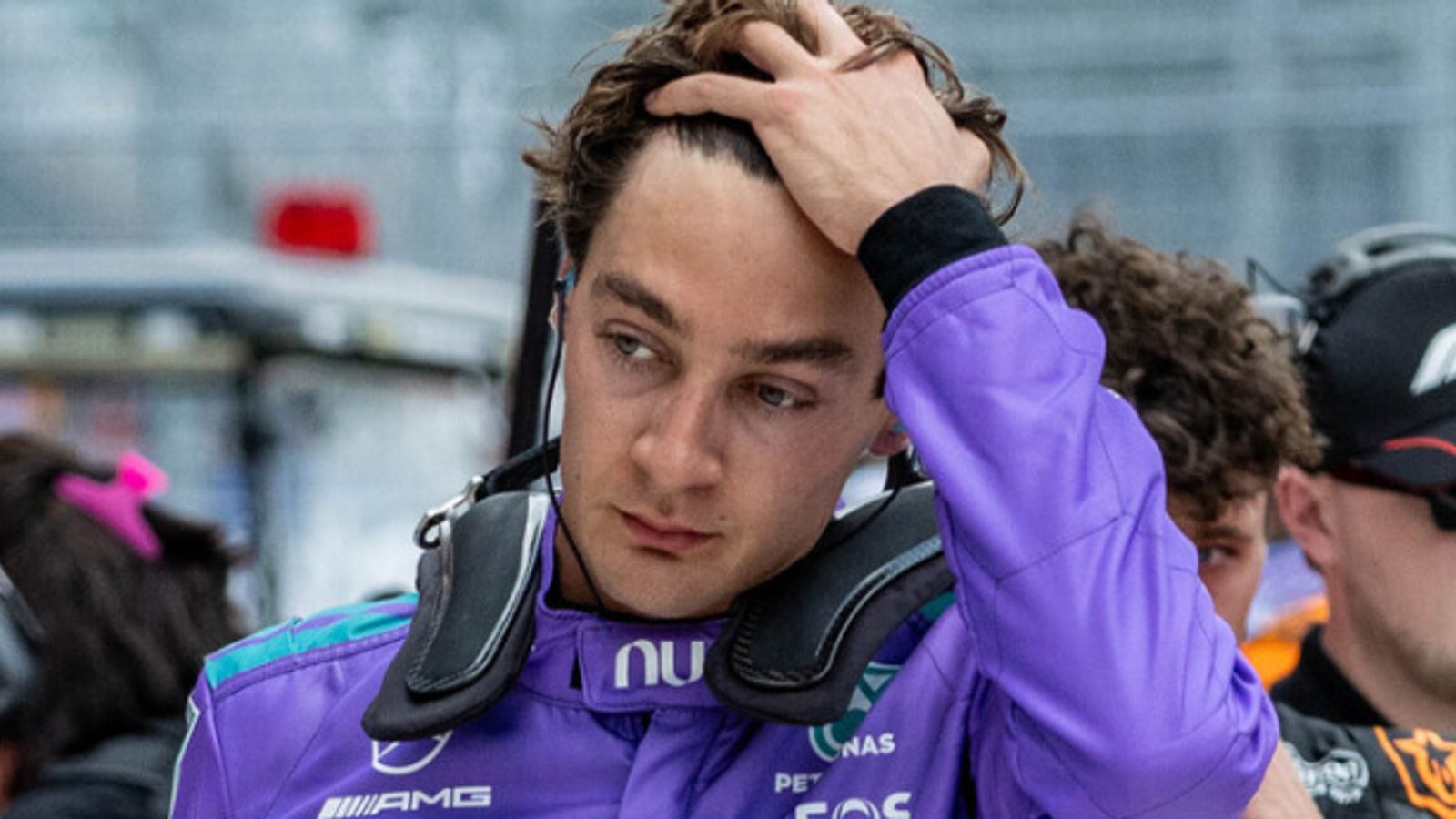
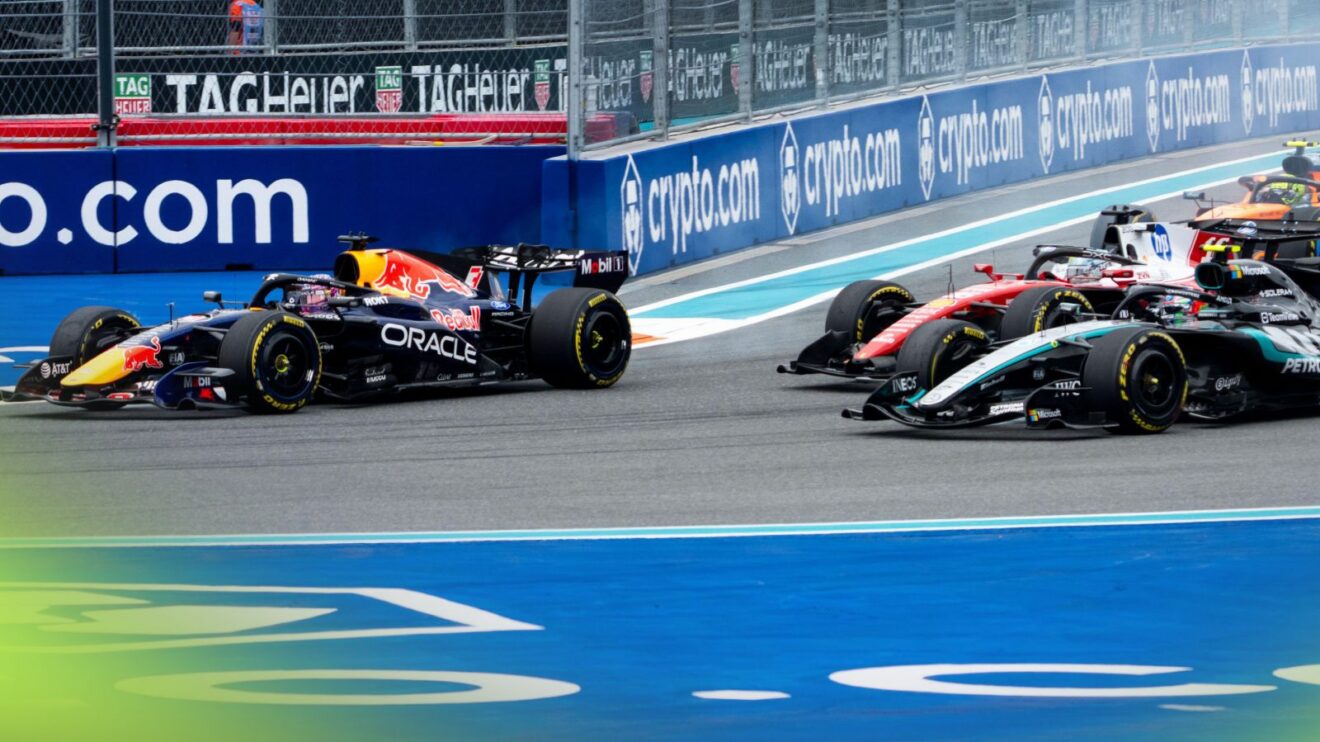
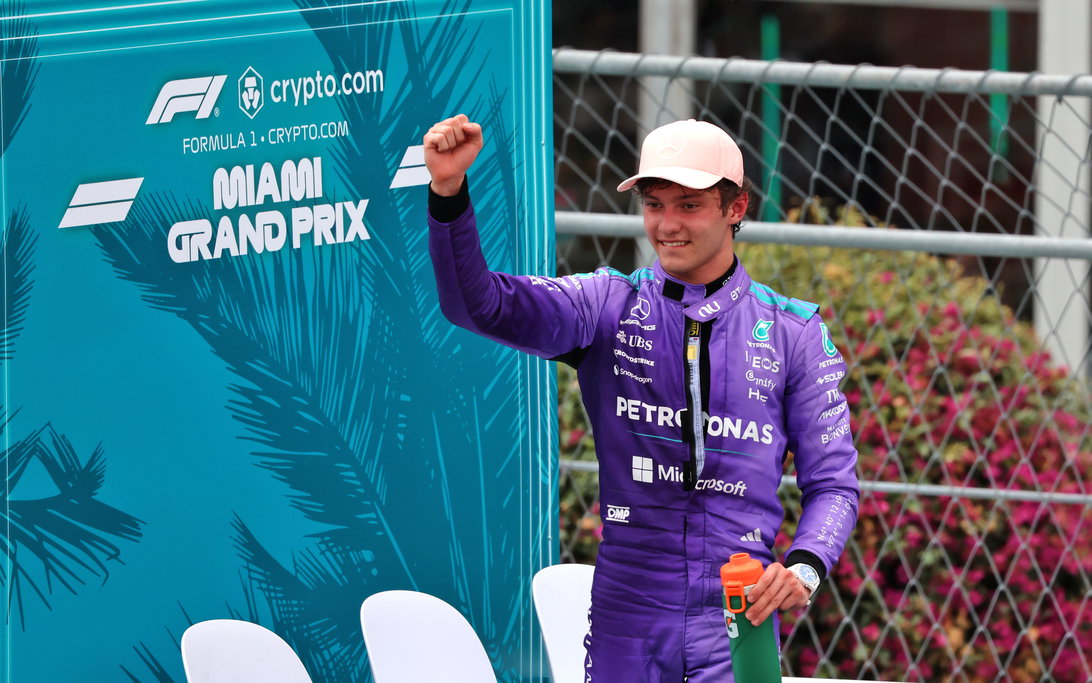
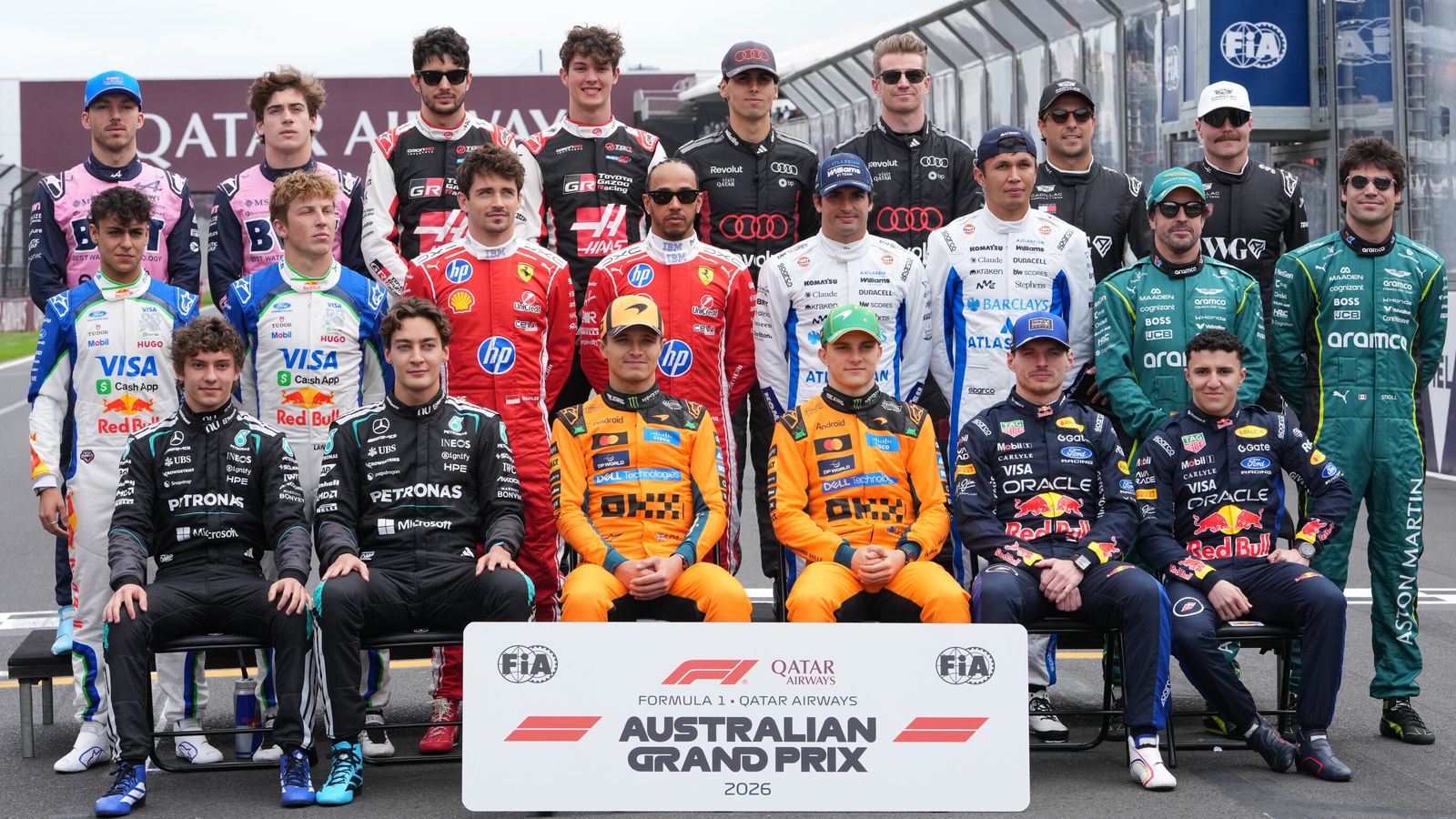
Formula 1's revised 2026 regulations, tested for the first time at the Miami Grand Prix, received a lukewarm reception from drivers who labeled the changes a small step forward but insisted fundamental flaws remain. While updates to energy management improved the qualifying experience, drivers like Max Verstappen and Lando Norris argue the rules still punish outright speed and create artificial, unpredictable racing.
Why it matters:
The driver feedback highlights an ongoing tension between F1's technological roadmap and the core racing product. With the sport's biggest stars publicly criticizing the new formula, the FIA faces pressure to make more substantial revisions before the 2026 season begins in earnest, balancing innovation with the pure competition drivers and fans expect.
The details:
- The FIA implemented specific tweaks for Miami, including lowering the energy harvest limit in qualifying and increasing 'super clipping' power, aimed at making car performance more predictable.
- Driver Reactions: The response was mixed but leaned critical.
- Max Verstappen: The four-time champion, who previously called the rules "Formula E on steroids," stated his core criticism is unchanged, noting, "The faster you go through corners you go slower on the next straight. So, that's not what it should be about."
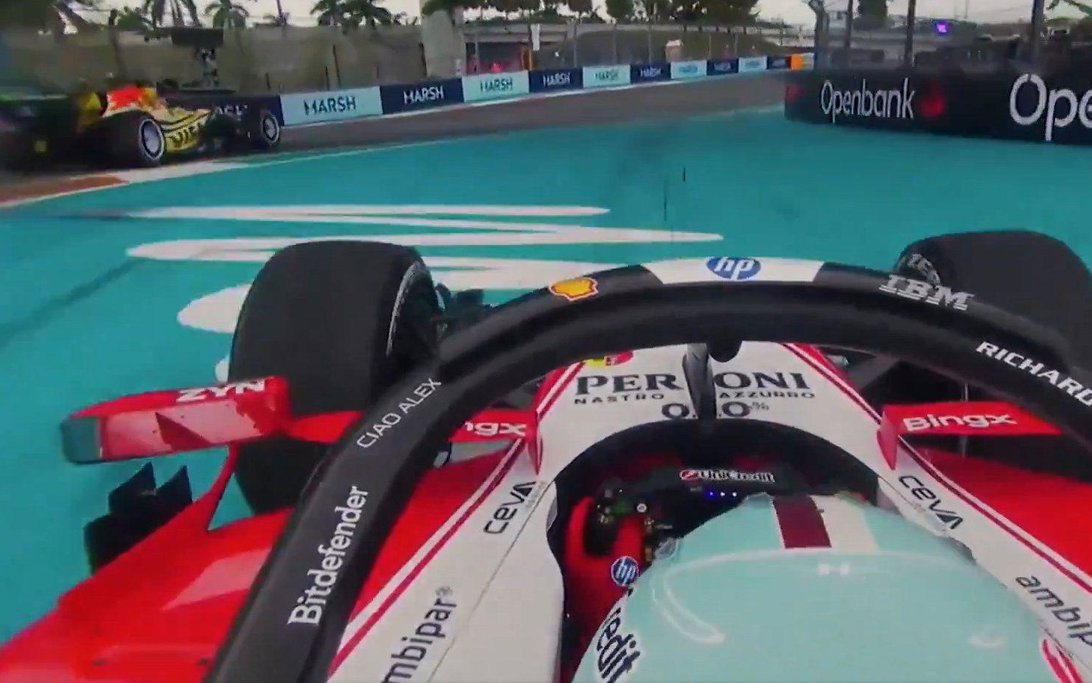
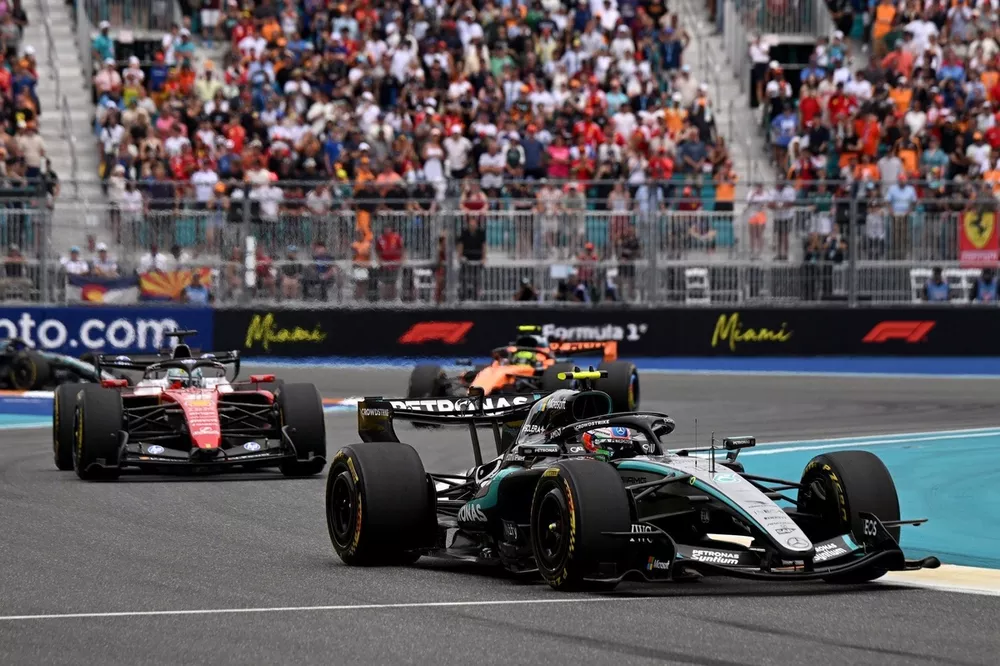
- Lando Norris: The reigning champion called it a "small step in the right direction" but insufficient, explaining drivers are still "penalised" for pushing flat-out. He observed the intense battle between Charles Leclerc and Kimi Antonelli as evidence of persistent "yo-yo racing."
- Oscar Piastri: The McLaren driver said the changes "helped a bit" in qualifying but "not fixed the problem," calling race battles "pretty crazy" due to huge closing speed differences that make defending "incredibly tough."
- Charles Leclerc & Others: Leclerc acknowledged it was a "step in the right direction," a sentiment echoed by Sergio Perez, while Gabriel Bortoleto noted qualifying "felt a bit better" despite slower lap times.
What's next:
The Miami experiment confirms that minor software tweaks are unlikely to satisfy driver concerns about the 2026 car philosophy. Attention now turns to potential hardware changes for future seasons, with reports indicating the FIA has only a few weeks to finalize the 2027 power unit regulations, which may reduce reliance on electrical energy and address the core complaints about artificial energy management.
Original Article :https://www.motorsport.com/f1/news/a-quick-fix-or-work-to-be-done-how-f1s-rule-c...