



Wolff: Aston Martin made 'conscious decision' for Honda F1 engines
Aston Martin's switch to Honda power units for the 2026 Formula 1 season is facing severe reliability issues, with excessive vibrations causing battery failures and potential driver health concerns. Mercedes team principal Toto Wolff has clarified that the German manufacturer did not drop Aston Martin as a customer, stating the Silverstone team made a "conscious decision" to become a Honda works team. The move, intended to secure a competitive works partnership, has instead left Aston Martin grappling with fundamental problems that threaten its entire season.
Why it matters:
Aston Martin's ambitious bid to become a front-running works team has backfired spectacularly in the new engine era. The crippling technical flaws not only jeopardize their 2026 campaign but also raise serious questions about the due diligence behind the engine partnership switch. For a team with championship aspirations and significant investment from owner Lawrence Stroll, starting a new regulatory cycle with an unreliable power unit is a devastating setback that could define their competitiveness for years.
The details:
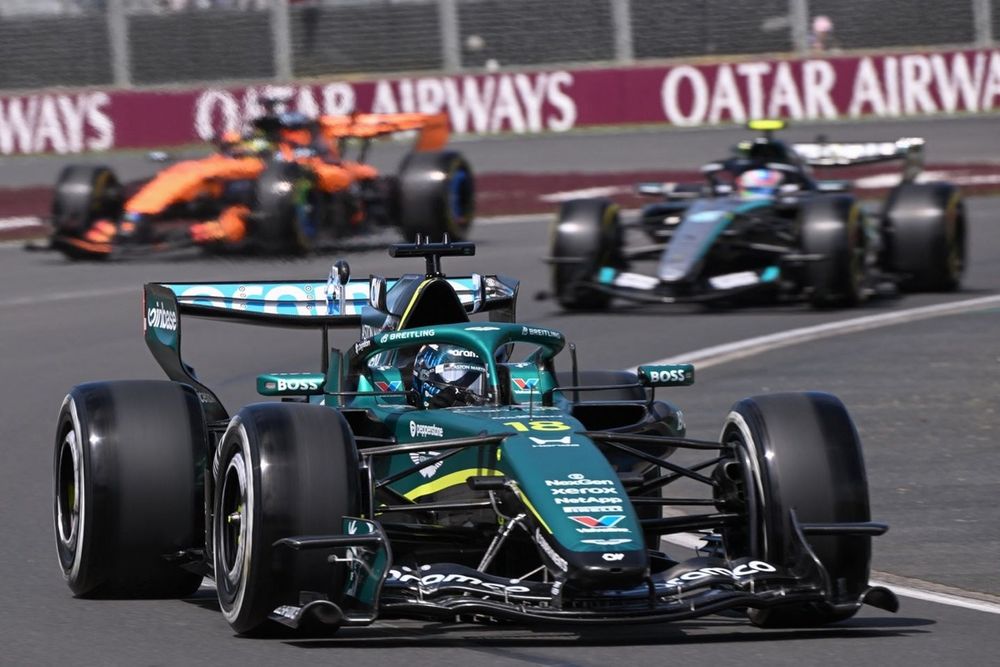
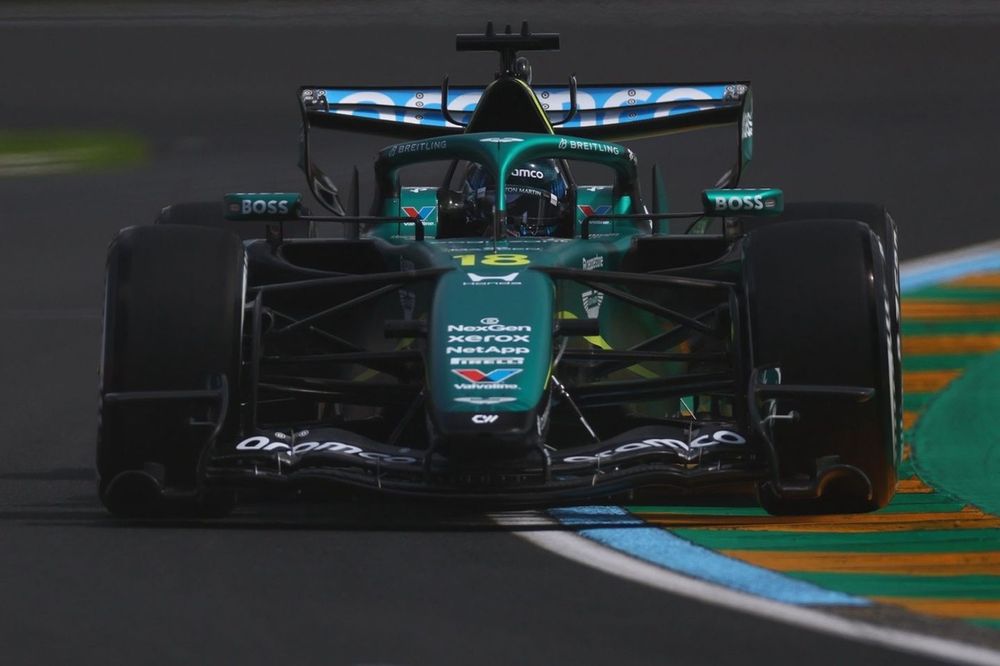
- Severe Vibration Issues: The Honda power unit suffers from excessive vibrations, leading to repeated battery failures. The problem is so acute that Aston Martin reportedly ran out of spare batteries during the Australian Grand Prix weekend.
- Driver Safety Concerns: Drivers Fernando Alonso and Lance Stroll have expressed concerns that the vibrations could cause permanent nerve damage to their hands, limiting their ability to run more than 15-25 laps consecutively.
- A Conscious Choice: Toto Wolff emphasized that Mercedes did not end the supply relationship. "It was a conscious decision to become a works team with Honda with their partner Aramco, and that's why we had to let them go," he stated.
- Newey's Frank Assessment: Chief Technical Officer Adrian Newey acknowledged the dire situation, indicating the team's focus is now on achieving reliability first, with 2026 effectively seen as a write-off. He publicly urged Honda to shift focus to developing the 2027 engine, stating a "very large step" in combustion engine power is needed.
- Honda's Experience Gap: Newey revealed the team only became aware in November 2025 that many experienced personnel from Honda's previous F1 project had not returned for the 2026 program, a critical factor not known when the works deal was signed.
What's next:
Aston Martin faces a monumental task to salvage its season. The immediate priority is solving the vibration issue to achieve basic reliability and ensure driver safety. Long-term, immense pressure falls on Honda to deliver a radically improved power unit for 2027, as hinted by Newey. The team's performance in the coming races will be a stark indicator of whether this works partnership can recover or if it will consign Aston Martin to a prolonged period at the back of the grid, undermining Lawrence Stroll's grand vision for the team.
Original Article :https://www.motorsport.com/f1/news/mercedes-aston-martin-made-conscious-decision...