





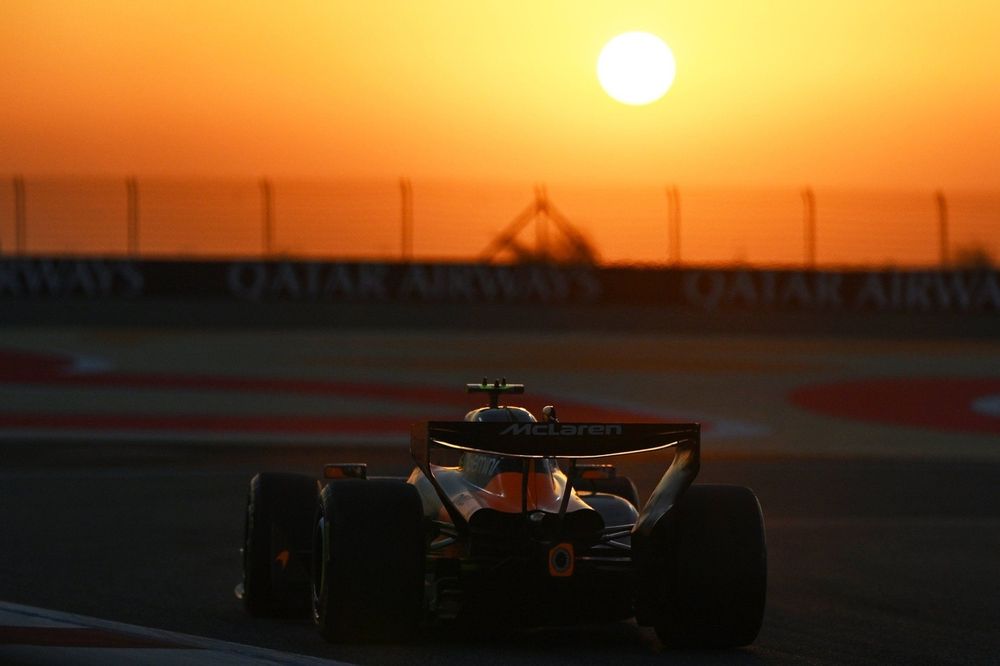
Middle East conflict puts Bahrain, Saudi F1 races in serious doubt
The escalating military action in the Middle East is causing major logistical disruptions for Formula 1 and casting serious doubt on the viability of the upcoming Bahrain and Saudi Arabian Grands Prix. Teams faced severe travel delays just getting to the Australian GP, and contingency planning for the next races is already underway behind the scenes, with cancellation appearing the most likely outcome.
Why it matters:
The stability of F1's lucrative and strategically important Middle Eastern events is under direct threat. A cancellation would represent a significant financial hit for the sport and the teams, disrupt the tightly packed 24-race calendar, and force the commercial rights holder to navigate a complex geopolitical crisis while balancing safety, contracts, and revenue.
The details:
- Immediate Paddock Impact: The conflict's effect was immediately felt, with many team personnel stranded due to flight cancellations. Some took extreme reroutes—driving from Bahrain to Saudi Arabia, then flying to the UK via Egypt or Tanzania—just to reach Melbourne, forcing the FIA to suspend curfew rules.
- Insurance & Travel Advice: The UK Foreign Office advising against travel to the Gulf region makes it "impossible" to stage the Bahrain and Saudi races from an insurance and duty-of-care perspective, according to paddock sources.
- Contingency Plans in Motion: While publicly stating a "wait-and-see" approach, F1 is actively planning for cancellations.
- The Bahrain GP is considered highly unlikely to proceed.
- Moving the Saudi race to the gap between Miami and Montreal in May is logistically difficult and still risky if conflict persists.
- A double-header at Suzuka after the Japanese GP was considered but faced commercial hurdles with ticket sales.
- Replacement Venue Hurdles: Using European tracks like Imola or Portimão as late replacements is deemed unlikely. The standard promoter model, which requires selling tickets and VIP hospitality packages with just weeks' notice, makes a commercially viable event nearly impossible to organize quickly.
- Financial Pressure Points: Unlike during the COVID-19 pandemic, F1 is under less pressure to replace races purely to fulfil broadcast contracts, as it is already over the minimum required number of events for the season. The push for replacements is understood to be coming from teams wanting to protect their share of commercial revenue.
What's next:
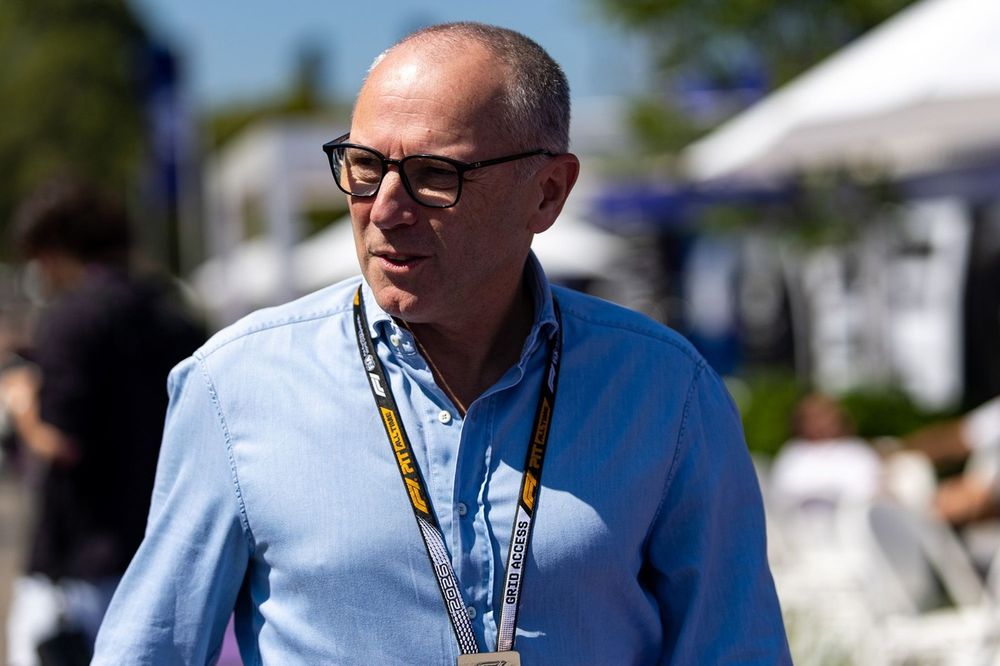
The issue will be a top priority in discussions between F1 CEO Stefano Domenicali and team principals in Melbourne. A hard logistical deadline looms, as freight must be shipped for Bahrain shortly after the Japanese GP on March 29th. McLaren CEO Zak Brown emphasized that safety is the paramount concern, suggesting financial impacts are a secondary consideration given the circumstances. The coming days will likely see official decisions on the fate of the Gulf region races, with cancellation—rather than postponement or replacement—emerging as the most probable result.
Original Article :https://www.motorsport.com/f1/news/why-f1-bahrain-and-saudi-arabia-gps-are-unlik...