




Williams' Weight and Reliability Woes Exposed in Australia
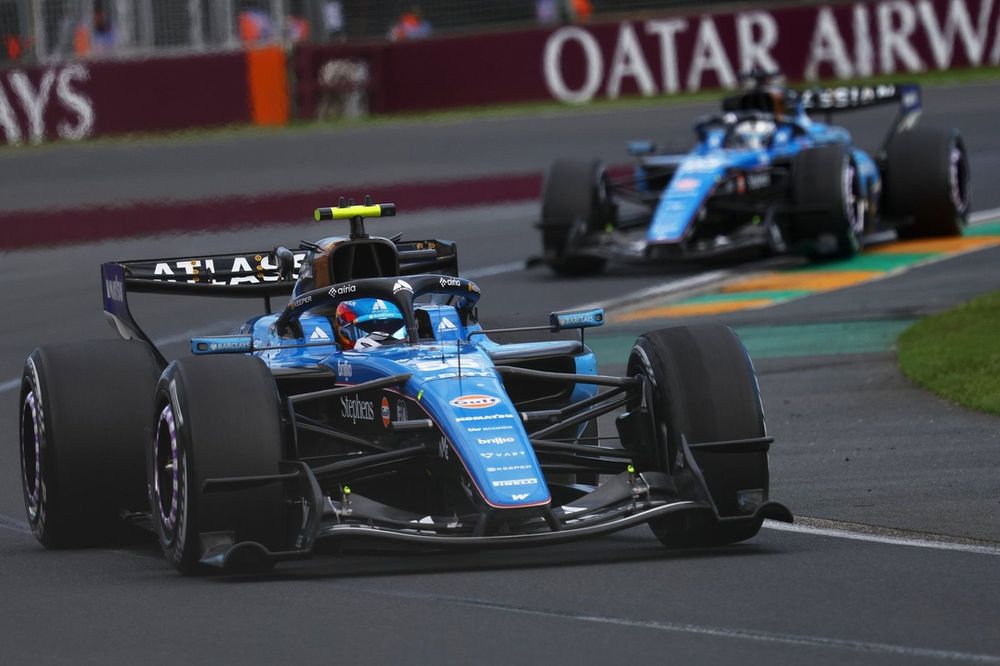
The Australian Grand Prix revealed Williams' true competitive position, confirming the team is struggling with a significant performance deficit primarily due to an overweight car and power unit management issues. Team Principal James Vowles has a clear plan to address the weight problem through scheduled upgrades, but the process is constrained by the financial realities of the cost cap, meaning recovery will be a gradual effort throughout the season.
Why it matters:
Williams entered the season targeting a baseline of fifth in the constructors' championship, but its current performance gap threatens that ambition. The team's challenges highlight the complex balancing act modern F1 teams face between performance development, reliability, and strict budgetary limits, with weight reduction now a strategic, phased operation rather than an immediate fix.
The details:
- The Core Problem: The FW48 is reportedly over 20kg overweight, accounting for a substantial pace deficit. This issue has been compounded by a late start to testing after the car failed its initial crash test.
- Cost Cap Strategy: Vowles confirmed the engineering solutions to not only reduce weight but make the car "underweight by a good amount" already exist. However, implementing them immediately is financially prohibitive.
- The plan is to introduce weight-saving measures through planned in-season upgrades and by replacing components as they reach the end of their calculated lifespan, a more cost-efficient approach under the cap.
- Compounding Penalty: The car's excess weight is particularly punishing under the current power unit regulations. It hurts apex speed, which negatively impacts energy harvesting and deployment, creating a performance deficit that compounds around a lap.
- PU Knowledge Gap: Like other Mercedes customer teams, Williams is also playing catch-up in understanding how to maximize the new power unit's potential, a deficit Vowles estimates at around three-tenths per lap.
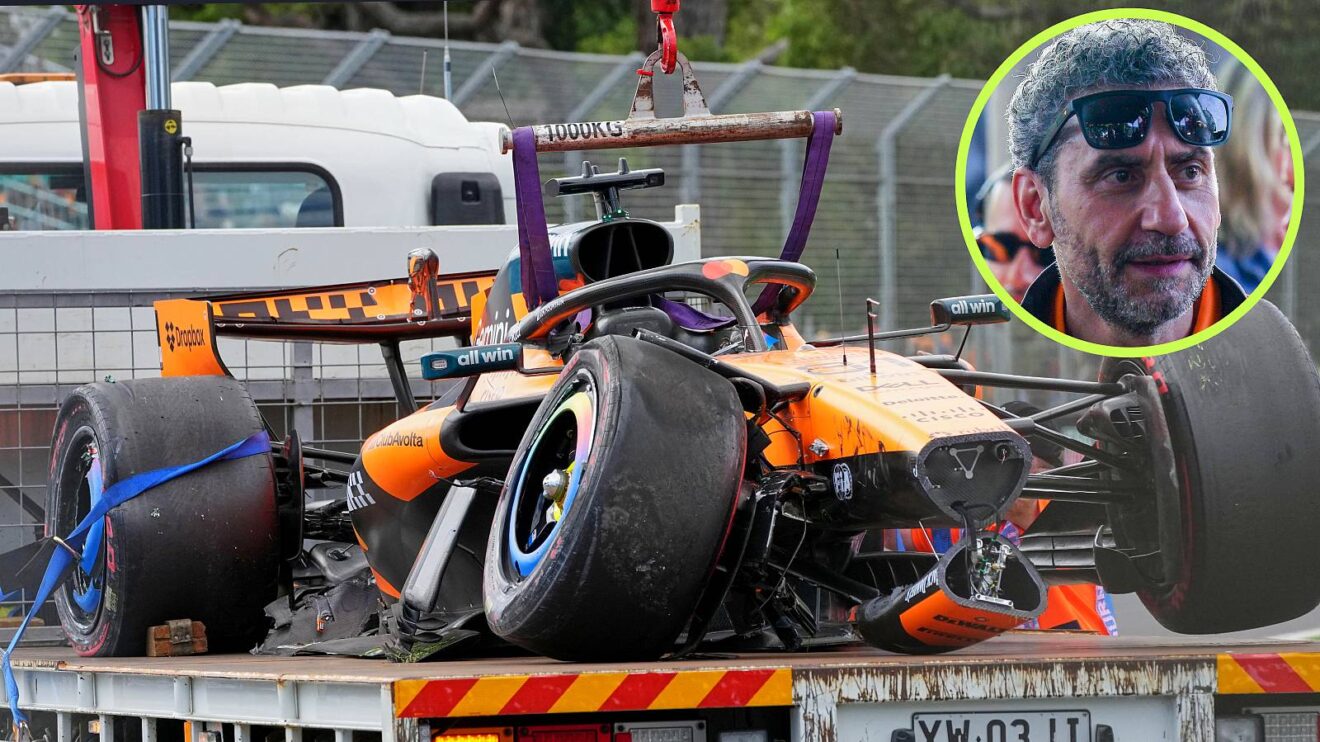
- Reliability Setback: Carlos Sainz's FP3 stoppage in Australia, which left him unable to participate in qualifying, cost the team valuable track time to refine its energy deployment strategies with both cars.
What's next:
Williams faces a steep climb to get back into the midfield fight. While the team has an "aggressive plan" to reduce weight and improve performance, driver Alex Albon acknowledges it "is still going to take time." The coming races will test whether Williams can effectively execute its phased upgrade strategy under the cost cap and start closing the gap to its rivals before the season slips away.
Original Article :https://www.motorsport.com/f1/news/james-vowles-all-solutions-to-williams-f1-car...