


Andrea Stella links Piastri's Australian GP crash to aggressive new F1 power units
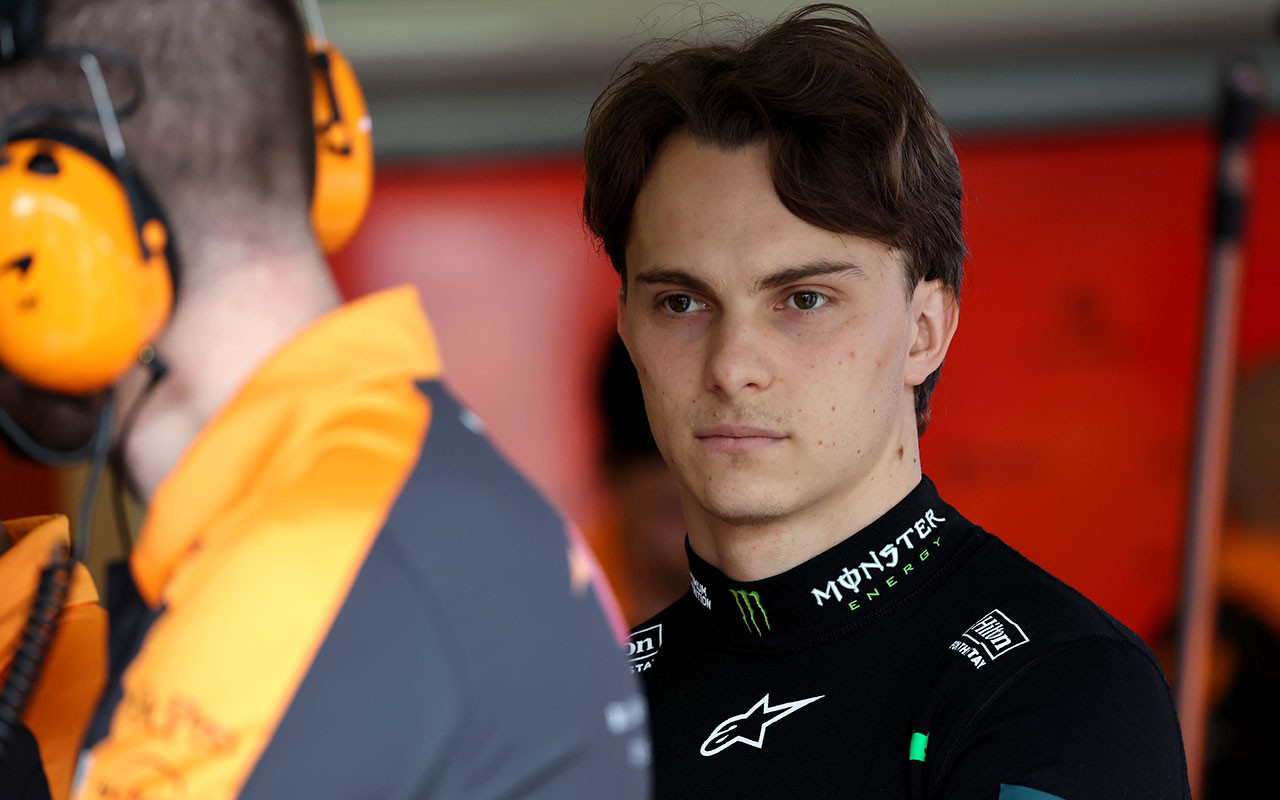
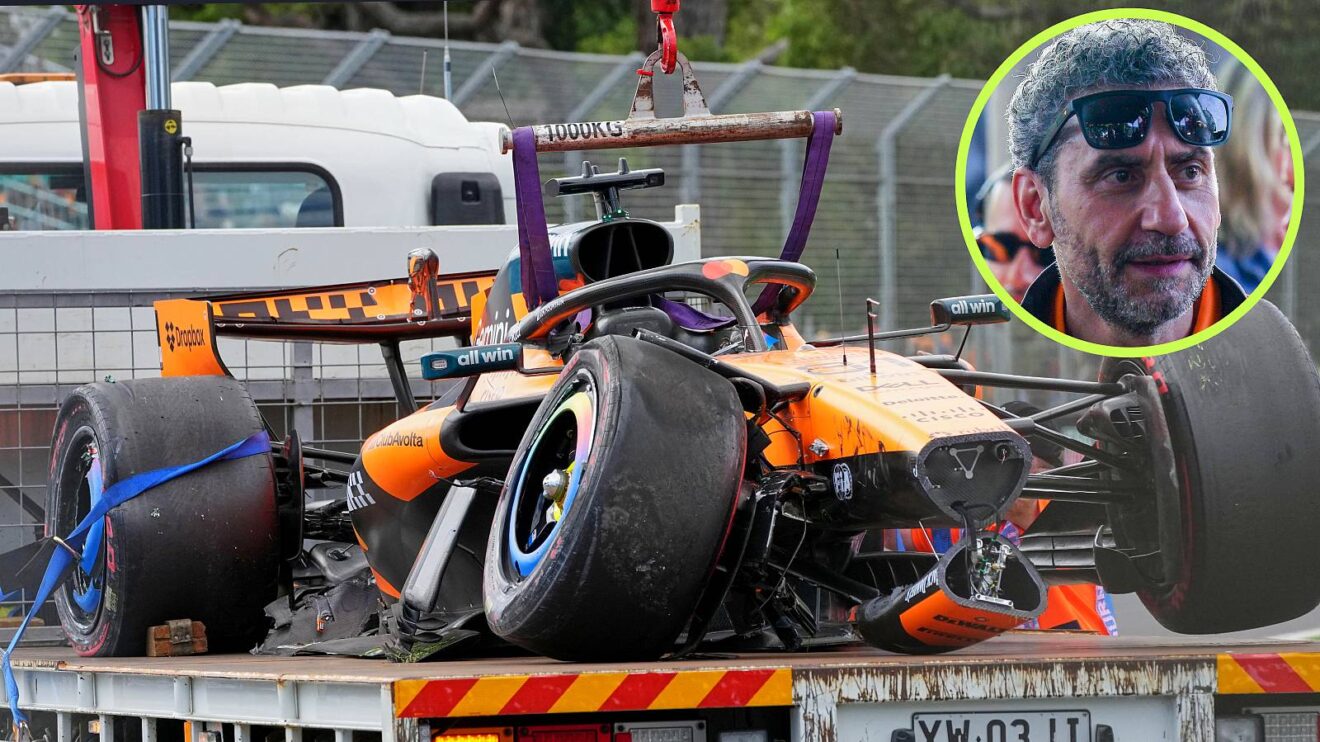
McLaren Team Principal Andrea Stella has pointed to the 'aggressive' nature of Formula 1's new-generation power units as a key factor in Oscar Piastri's crash on the way to the grid at the Australian Grand Prix. The incident, which saw Piastri hit the wall before the race even began, highlights a broader challenge for teams in managing the unpredictable torque delivery of the 1000+ horsepower hybrid units, a concern Stella believes the F1 community must address.
Why it matters:
Piastri's pre-race shunt is not an isolated incident but part of a pattern of 'uncharacteristic' crashes in Melbourne, including for Max Verstappen and Kimi Antonelli. Stella's comments shift the discussion from driver error to a potential systemic issue with the current power unit regulations and their interaction with car dynamics. If the extreme power delivery is contributing to unpredictable car behavior, especially on cold tires or over kerbs, it raises significant safety and consistency questions that could impact every team on the grid.
The details:
- Piastri's Explanation: The Australian driver cited a sudden, unexpected spike of approximately 100 kilowatts of extra power as a contributing factor, on top of cold tires and riding a familiar exit kerb. He stressed the difficulty came from this being a normal function of the engine under the current rules, not a malfunction.
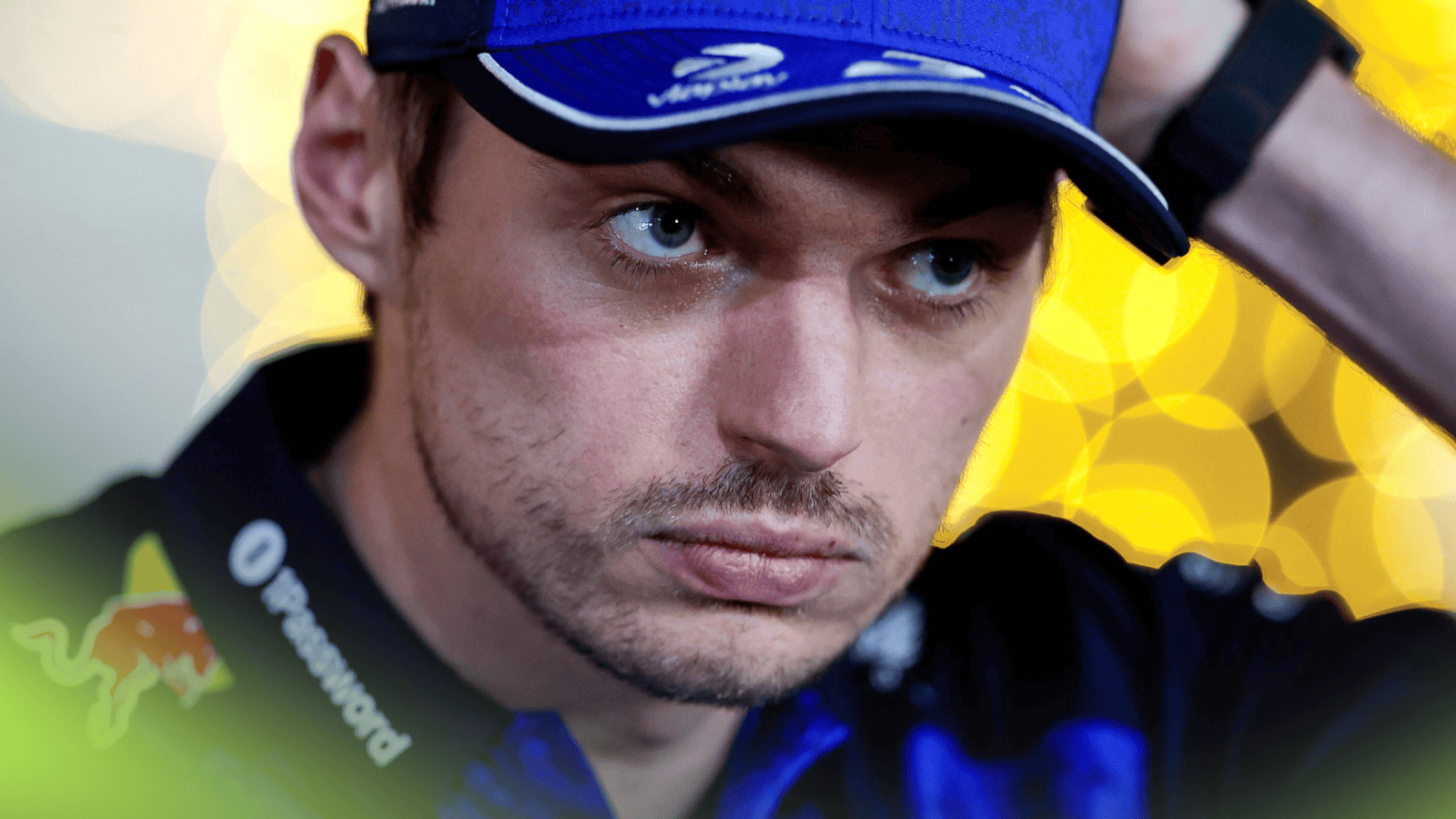
- A Pattern in Melbourne: The weekend featured several similar incidents. Mercedes rookie Kimi Antonelli crashed heavily in FP3 after losing the car under lateral load and torque, and World Champion Max Verstappen spun into the barriers during qualifying.
- Stella's Technical Analysis: Stella explained the crash resulted from a 'perfect storm' of three factors: cold tires losing grip suddenly, the destabilizing effect of a kerb, and an aggressive, oscillating torque delivery from the power unit during a gear shift. He noted this torque behavior is an expected characteristic to meet deployment regulations, not a fault.
- A Regulatory Concern: The McLaren boss stopped short of blaming other teams' incidents directly on the power units but emphasized the crashes are "very material indication that there’s work to do." He called for the F1 community to examine the regulations to ensure predictable car behavior.
What's next:
Stella expressed full confidence in Piastri's resilience, expecting him to bounce back with increased focus starting at the Chinese Grand Prix. More broadly, his public remarks may ignite technical discussions among teams and the FIA regarding power unit calibration and torque mapping. While no immediate regulatory change is expected, the incidents in Melbourne have put the aggressive nature of the current engines under a spotlight, potentially influencing future development directions and in-season setup optimizations for all teams as they seek to tame the power.
Original Article :https://www.planetf1.com/news/oscar-piastri-crash-andrea-stella-aggressive-f1-po...